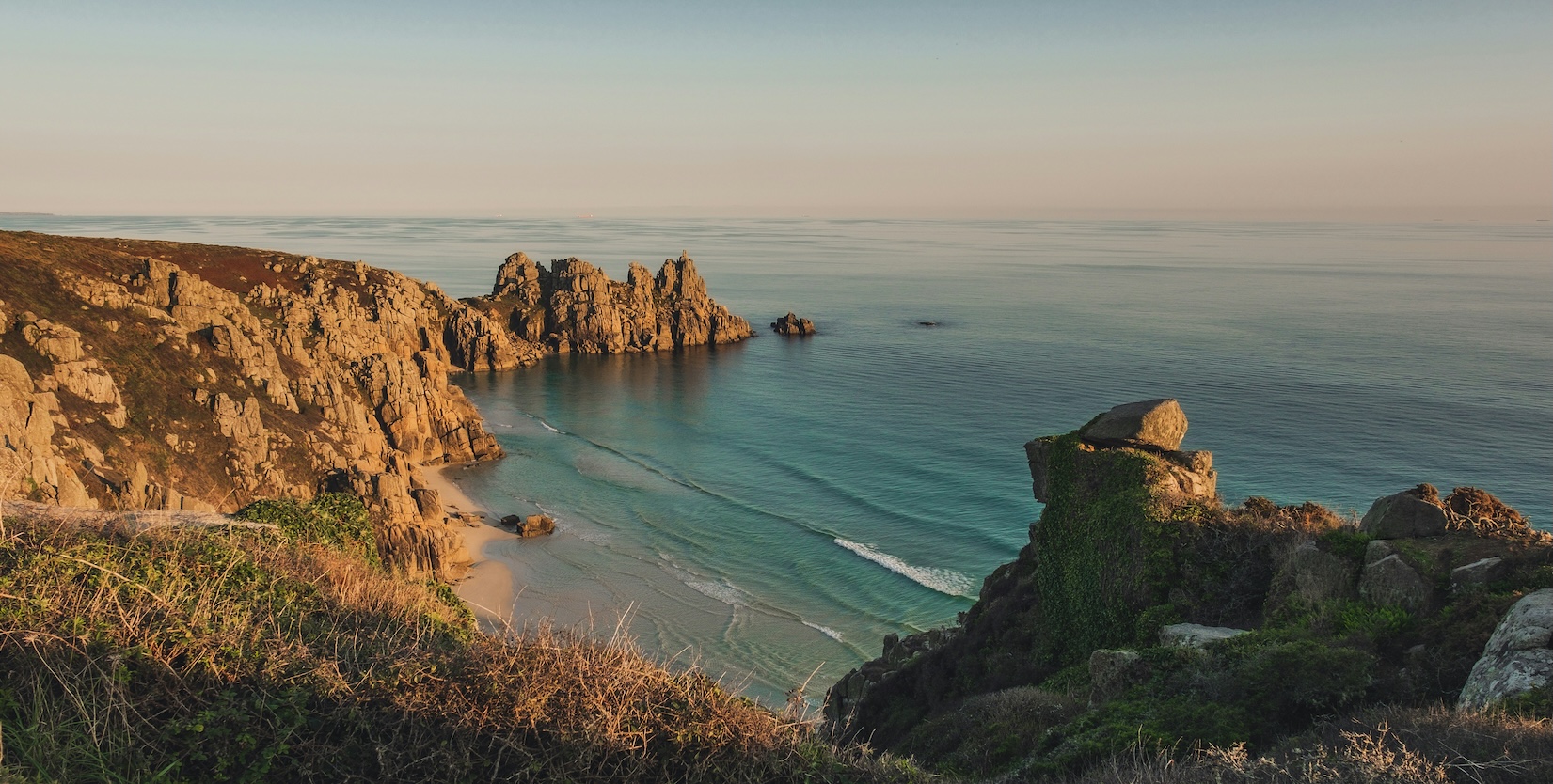
Granite cliffs, golden bays, artists’ harbours and a World Heritage mining coast: West Cornwall fits all of it into a compact corner of England. Six days is enough to see the best of it without long drives, and because the coast path follows almost every stretch of shoreline, you can park up once and walk for hours.
It does reward a little planning, though. Lanes are narrow, popular car parks fill up fast, and the rules on overnight parking are stricter than many visitors expect. This guide gives you a realistic six-day route based around Penzance, St Ives and Newquay, along with the practical details that matter: the best time to go, how big a vehicle you can comfortably bring, where to stay, and how to handle waste and water.
If you are still weighing up where you can legally sleep in England, read our companion article first: Can you sleep in a motorhome anywhere? The 2026 Rules Explained.
When is the best time to visit Cornwall by motorhome?
Late spring and early autumn are the sweet spot: prices drop, roads are calmer and campsites are easier to book than in July and August. Since it is October as we write this, here is the honest picture of the off-season.
According to the Met Office, coastal Cornwall has annual mean temperatures of about 11 to 12 °C, the sea prevents most autumn frosts, and coastal areas get over 1,600 hours of sunshine a year. April to July are the driest months, while autumn and winter are the wettest because of Atlantic depressions. Coastal Cornwall receives roughly 900 to 1,000 mm of rain a year.
What that means in practice:
Autumn and winter: fewer crowds, easier parking in places such as St Ives, lower pitch prices, dramatic skies and storm-watching on the cliffs. The trade-off is more rain, wind and some seasonal closures, so check opening dates before you set off.
Spring and early summer: the driest part of the year, with long evenings.
July and August: the busiest period. A local guide to campervan travel in Cornwall notes that summer raises prices and reduces availability, and that shoulder seasons often offer better value and less stressful driving.
How big a motorhome is for Cornwall?
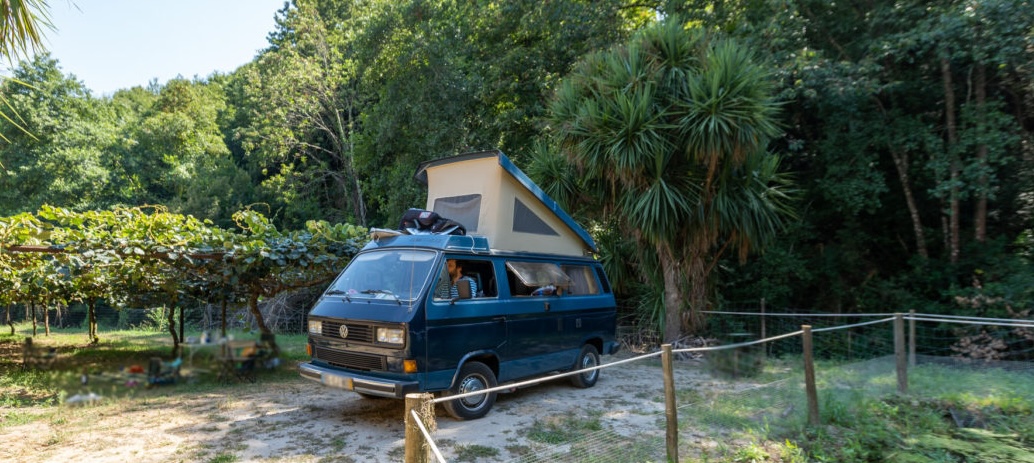
Compact motorhomes and campervans cope best; a vehicle around 6 m long or less is easiest, and anything larger needs careful planning. We found no county-wide size limit, but the lanes decide for you.
Expect single-track lanes, farm traffic and limited passing places in rural areas. Campervans are generally easier than larger motorhomes on narrow roads, and A-class vehicles need extra height awareness.
Some practical rules of thumb:
Check your campsite’s limits before you book. For example, Treen Farm Campsite near Penzance lists a maximum length of 6 m and a maximum height of 4 m on CaraMaps.
Use main roads to move between bases, and save the lanes for the last mile. Inland roads are usually calmer and quicker than coastal ones.
Arrive early or late in the day to avoid meeting tractors and coaches.
Use passing places patiently and let farm traffic through rather than forcing a pass.
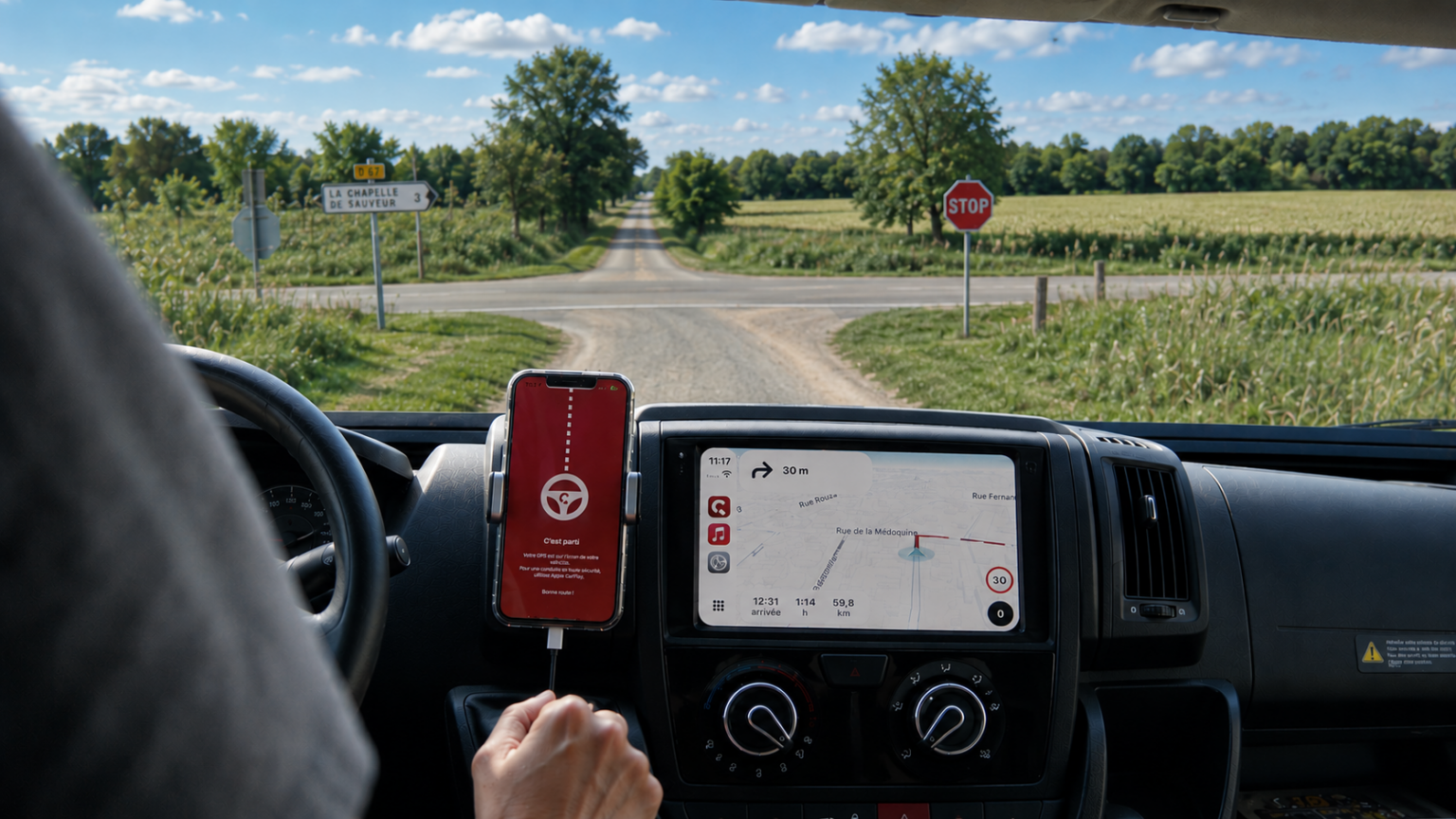
Use a GPS made for motorhomes so you are not routed down a lane you cannot get out of. Our motorhome GPS is compatible with Apple CarPlay and Android Auto.
Leave the big van at the campsite for the busiest villages. St Ives in particular is better done on foot or by train.
What is a good 6-day motorhome itinerary for West Cornwall?
Base yourself in three places (Penzance, the St Ives area and Newquay) and use day walks, buses and trains for the busy spots. Distances are short, but allow extra time for narrow roads.
Day 1: Arrive in Penzance and Marazion
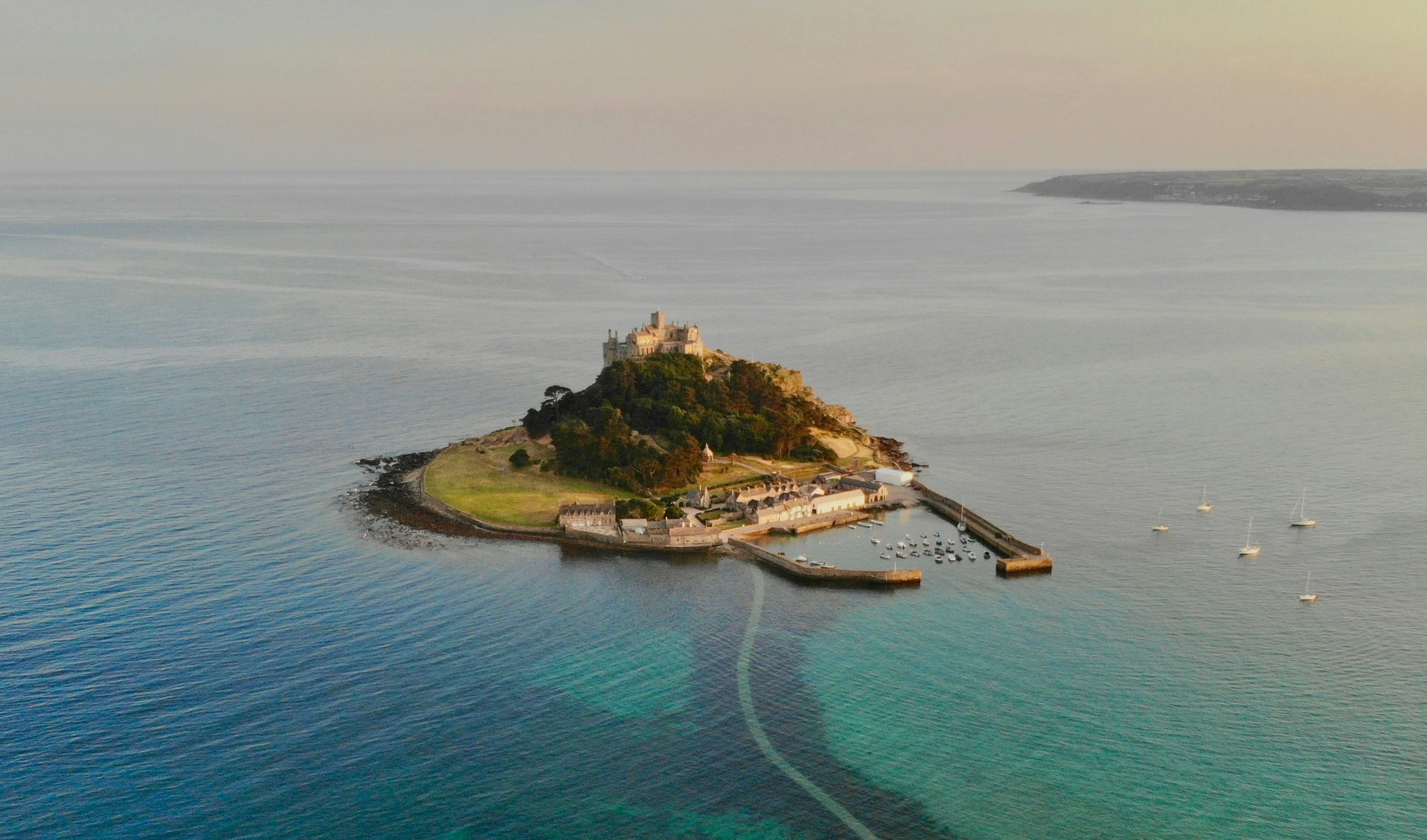
Spend the afternoon at Marazion, where you can walk the causeway to St Michael’s Mount, an island with over a thousand years of history. Check tide and opening times before you go.
Where to stop: Parking Penzance Port, Penzance : paid car park with 100 spaces on concrete, pay by cash or card; the fiche does not confirm overnight stays, so read the signs on site. Or Kenneggy Cove Holiday Park, Higher Kenneggy, TR20 9AU Penzance : campsite with 50 grass pitches on flat ground.
Day 2: Land’s End peninsula and Porthcurno
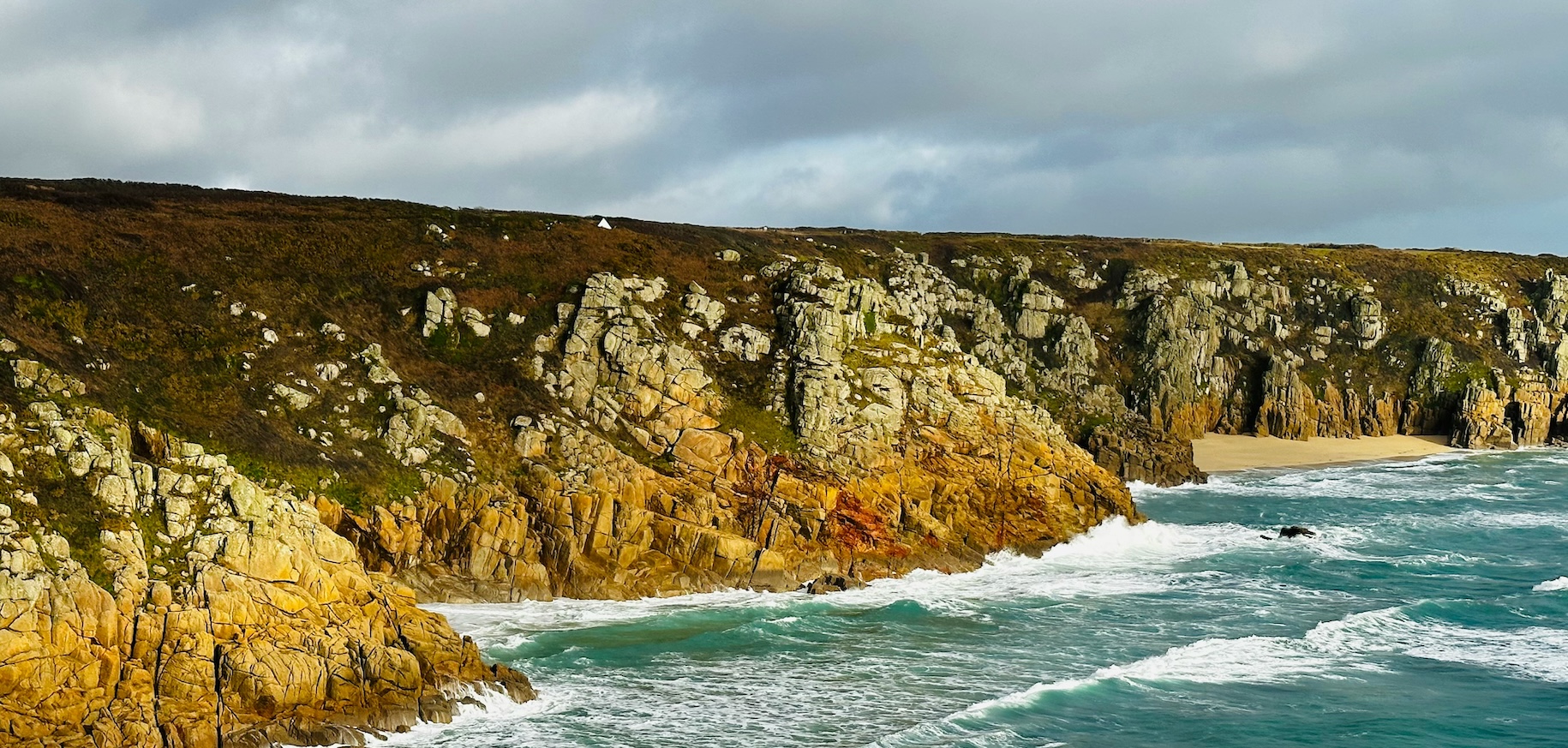
Drive out along the coast to the far west. Land’s End is about ten miles from Geevor on the peninsula, and Porthcurno is home to the Minack Theatre, an open-air theatre carved into granite cliffs, plus PK Porthcurno, the Telegraph Museum, and a beach nearby. Take it slowly: this is where the lanes get tight.
Where to stop: Treen Farm Campsite, TR19 6LF Penzance : paid campsite with 100 grass pitches, maximum height 4 m and maximum length 6 m, so check your vehicle first. Or Spot St Levan, B3315, TR19 6LX St Levan : free CaraMaps host spot with 2 pitches on packed earth.
Day 3: The Tin Coast: Pendeen, Botallack and Levant
Visit Geevor Tin Mine at Pendeen, one of the largest preserved mine sites in the country and part of the Cornish Mining World Heritage Site. The South West Coast Path runs through the site and you can walk on to the National Trust’s Levant Mine and Botallack. Geevor states that parking is free; the Levant visit needs a separate National Trust booking.
Where to stop: there is no CaraMaps spot on the Tin Coast itself, so stay a second night at Treen Farm Campsite or Spot St Levan (see Day 2) and drive up for the day.
Day 4: St Ives
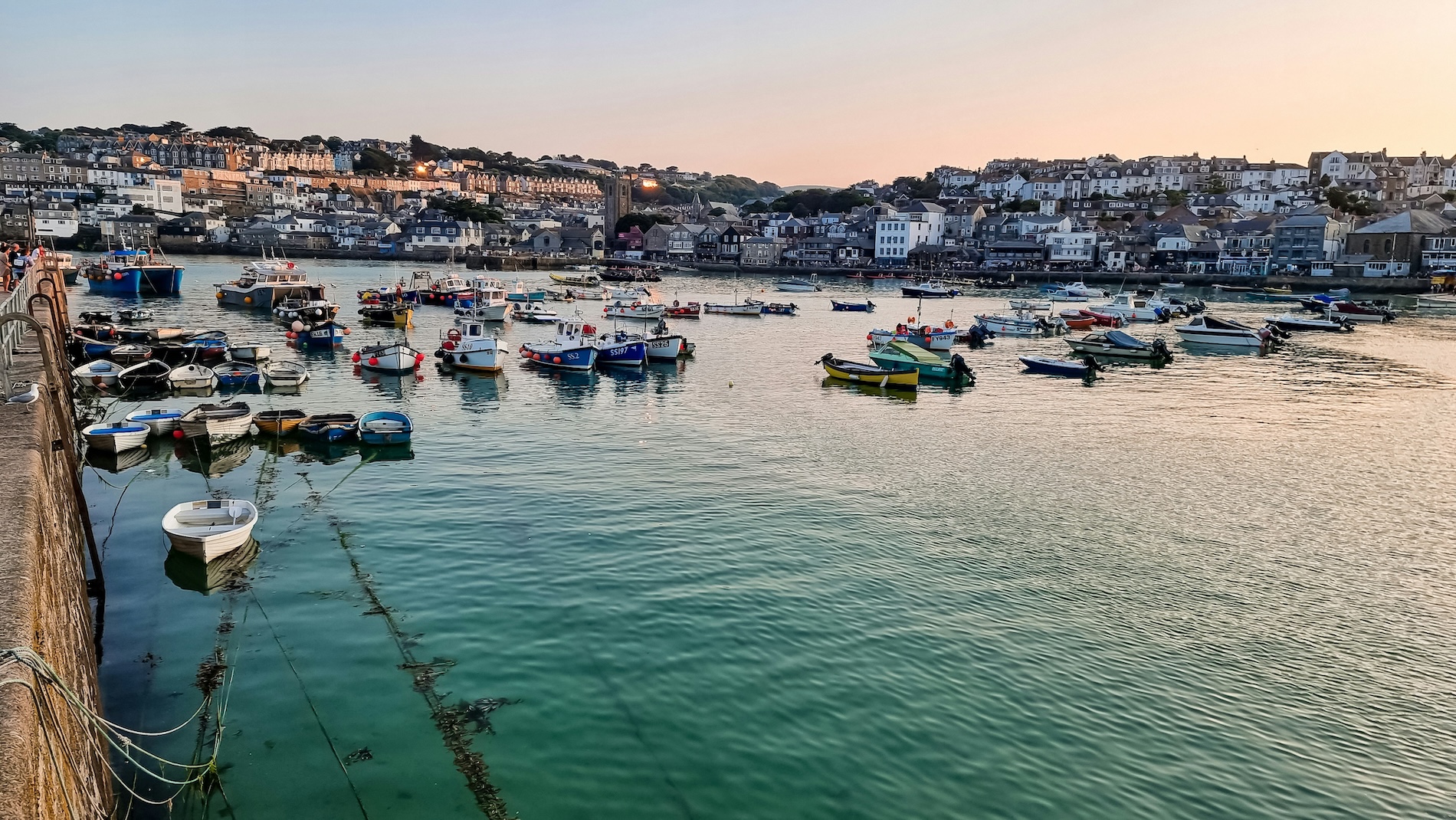
Move up the coast. St Ives is best visited without your motorhome in tow. Tate St Ives, opened in 1993 on Porthmeor Beach, shows modern and contemporary art.
Be aware that St Ives has a 12-month experimental traffic trial that began on 17 November 2025, which closed Tregenna Hill to general inbound traffic and reorganised several one-way streets. Check the latest layout on the St Ives Town Council website before you drive in.
Where to stop: Parking St Ives Trenwith, Trinity Watch, TR26 2FH St Ives : paid car park with 50 spaces on concrete, pay by cash or card. Out of town, Godrevy Park Caravan and Motorhome Club Site, Upton Towans, TR27 5BL Hayle : paid private site on flat grass and Gwithian Farm Campsite, St Ives Lane, TR27 5BS Gwithian : CaraMaps host campsite, maximum height 5 m, width 3 m and length 8 m are the options.
Day 5: Drive north to Newquay
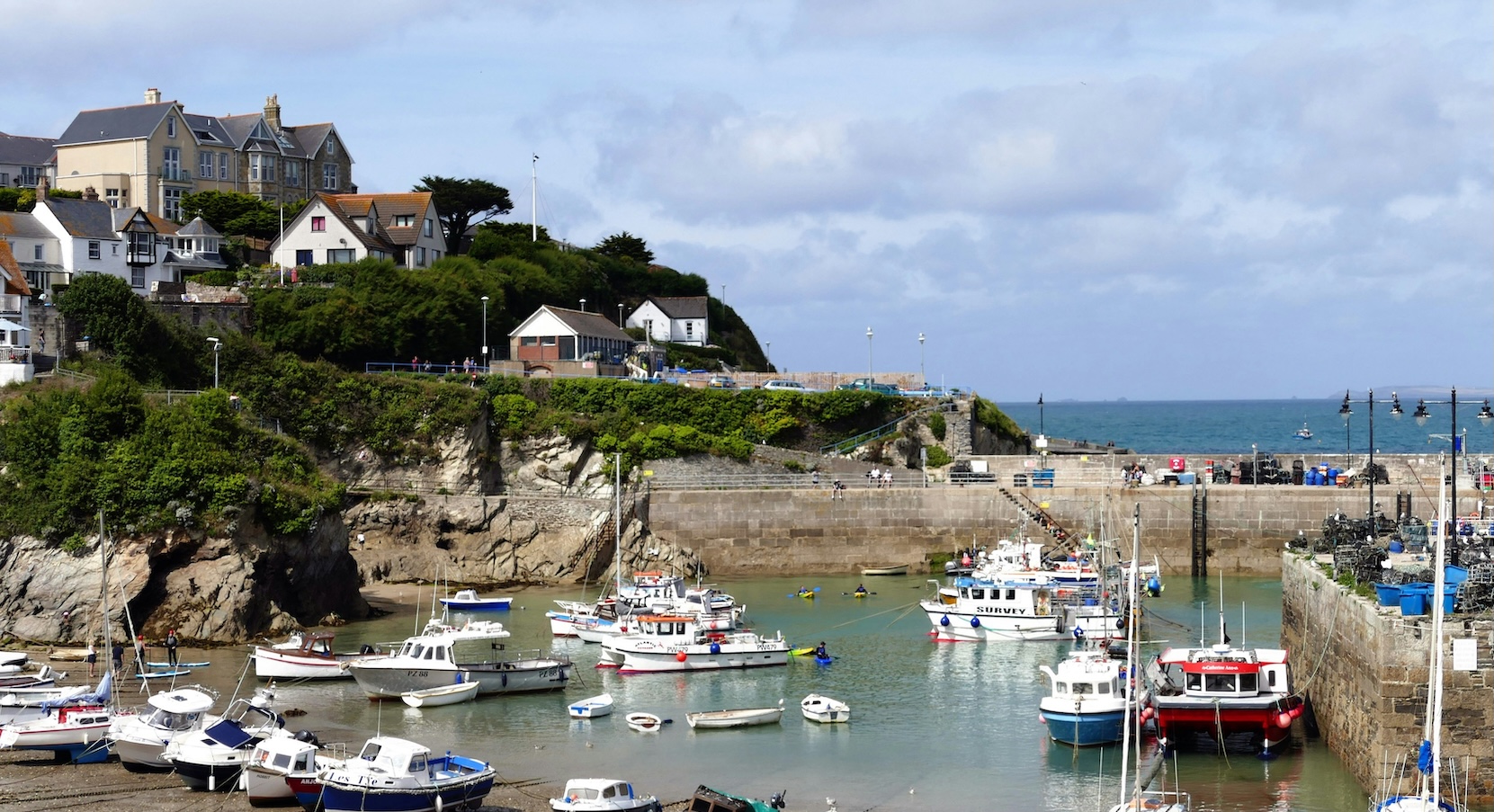
Take the main roads north-east to Newquay, a surf town with long beaches. Settle in and spend the afternoon on the coast path or the beach.
Where to stop: Hendra Holiday Park, 2 Hendra Terrace, TR8 4NY Newquay : paid site on flat grass. In town, Parking Newquay, 76 Edgcumbe Avenue, TR7 2NN Newquay : motorhome parking listed on CaraMaps; the fiche gives no further details, so check on site.
Day 6: Padstow and the Camel Trail, or a slow drive home
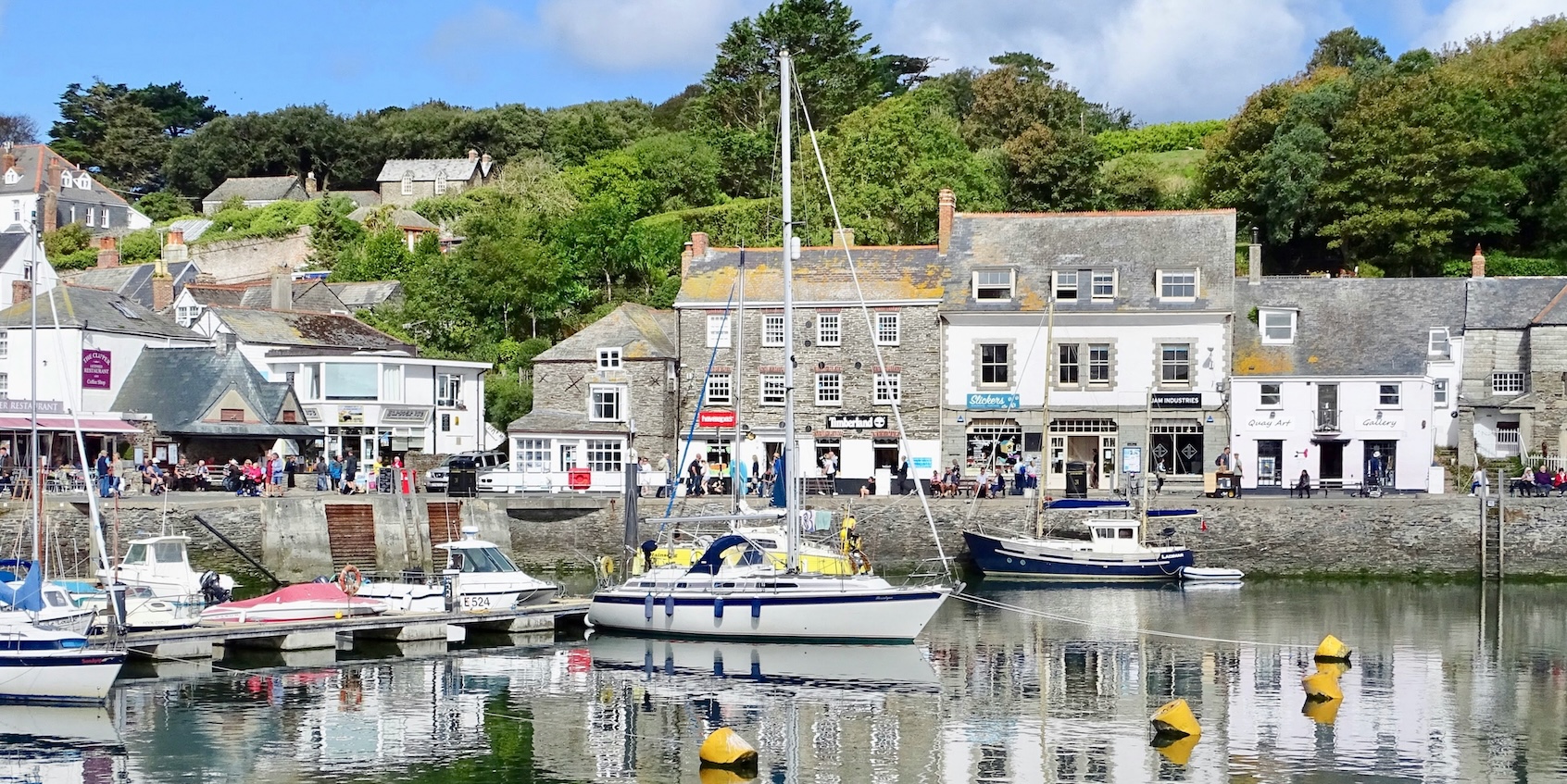
If you have the energy, Padstow is the start of the Camel Trail, an 18-mile largely traffic-free route along an old railway line beside the River Camel to Wadebridge and Bodmin. It is a gentle bike ride and a good way to finish.
Where to stop: Trewince Farm Camping, PL27 7RH : paid campsite near Wadebridge, at the Camel Trail end or Parking Tesco Wadebridge, 7 Keston Gardens, PL27 7FJ : parking on flat concrete.
Where can you stay overnight in a motorhome in Cornwall?
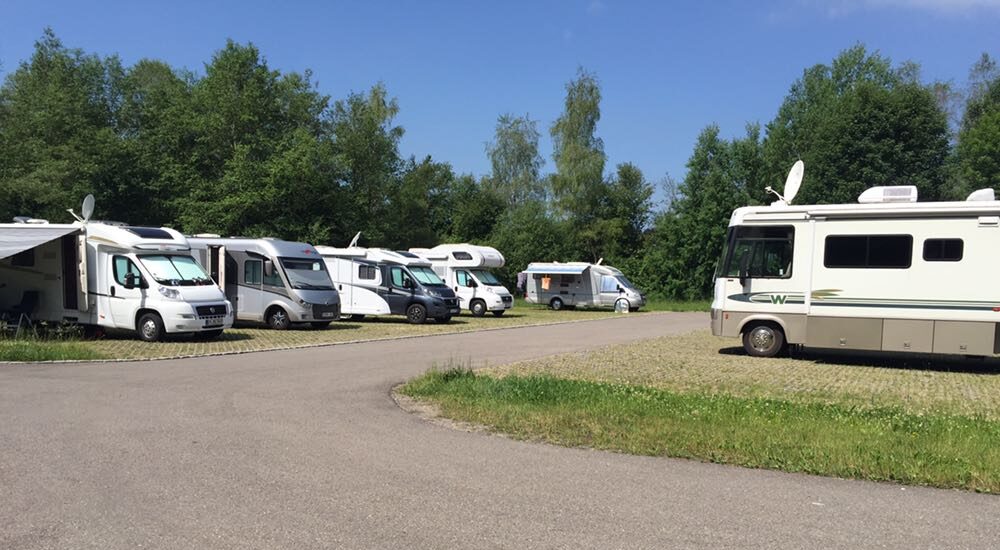
Campsites are the simplest and most reliable option, and each day of the itinerary above lists the CaraMaps spots to use. Some Cornwall Council car parks also allow overnight stays for self-contained motorhomes, but only a short list, and with conditions.
Council car parks
Cornwall Council’s motorhome page says overnight parking (11pm to 8am) is allowed only in some car parks, only for self-contained motorhomes with an on-board toilet, and that charges apply. The council publishes the list of car parks concerned, so check it on the day you travel.
The code of conduct says:
Stay a maximum of two consecutive nights.
Buy a separate motorhome overnight ticket for each night; standard pay-and-display tickets, permits and weekly tickets are not valid for overnight motorhome parking.
Pay for every bay you occupy.
Take all rubbish and dog waste with you, and respect local residents.
At Trenwith, St Ives (Day 4), the council lists a motorhome charge from 6pm to 9am of £18.00 (April to October) or £12.00 (November to March), for self-contained motorhomes only. Prices change, so check the council page and the tariff board on site.
Cornwall Council also consulted in early 2026 on allowing overnight parking in ten additional car parks. The page we found says the outcome was still a proposal, so check the current list before relying on it.
Our advice: always read the signs on the day. The council’s own page contains a note that overnight sleeping is banned in other car parks, and parking fines are real.
What about wild camping?
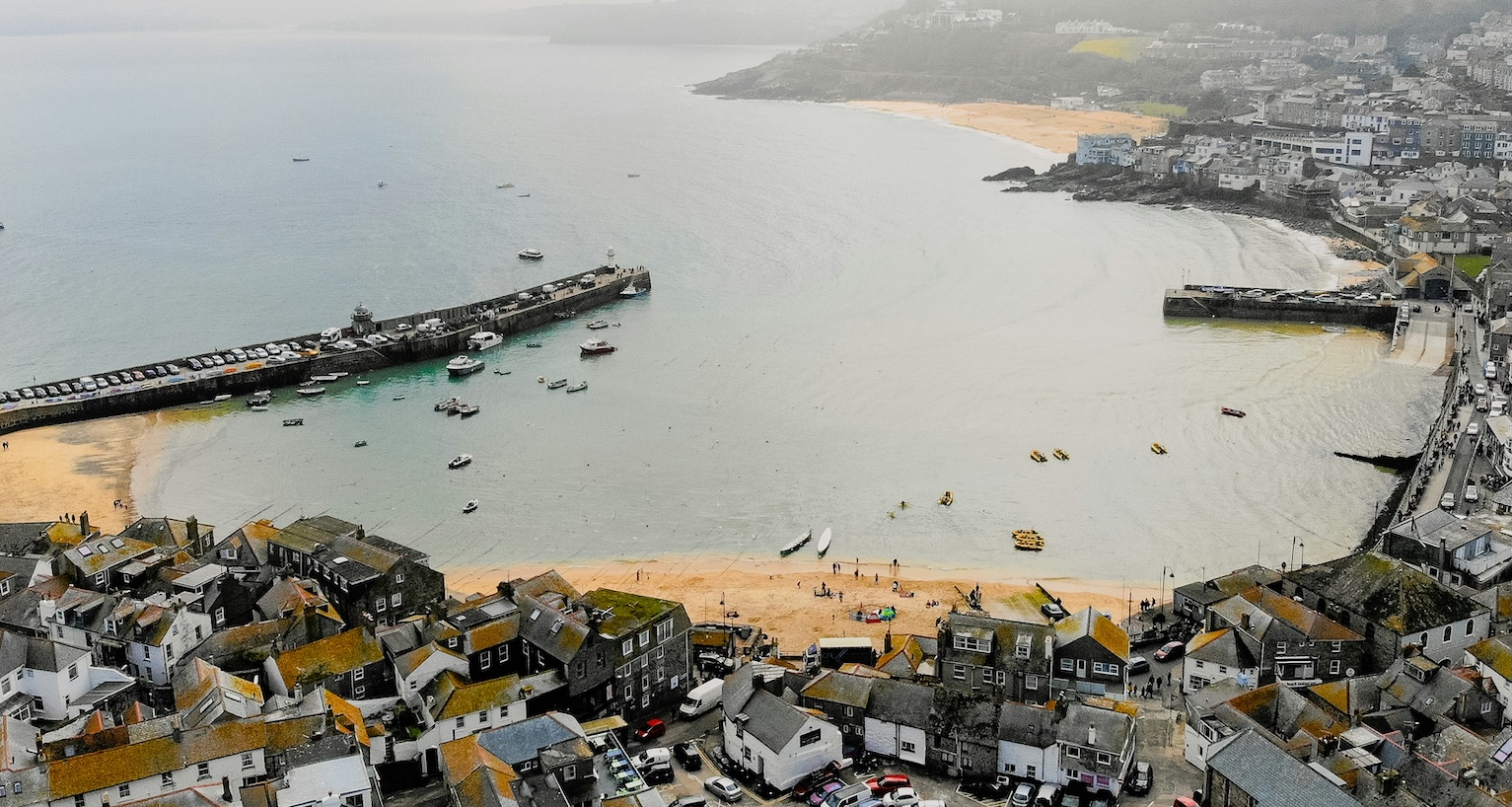
Wild camping is limited and often prohibited in Cornwall, particularly in sensitive coastal areas in high season. Our England rules article explains the legal background; the short version is to use campsites or designated stopovers.
Where can you empty waste and fill with water in Cornwall?
Campsites are your main source, and many accept non-guests for a fee; always phone ahead. Fees vary, and some club sites have membership conditions, so confirm access before you arrive.
Because motorhomes using council car parks overnight must be self-contained, make sure your toilet cassette and grey water tank are empty on arrival. You can find service points on the CaraMaps app and map.
Are there ferries and ports to know about?
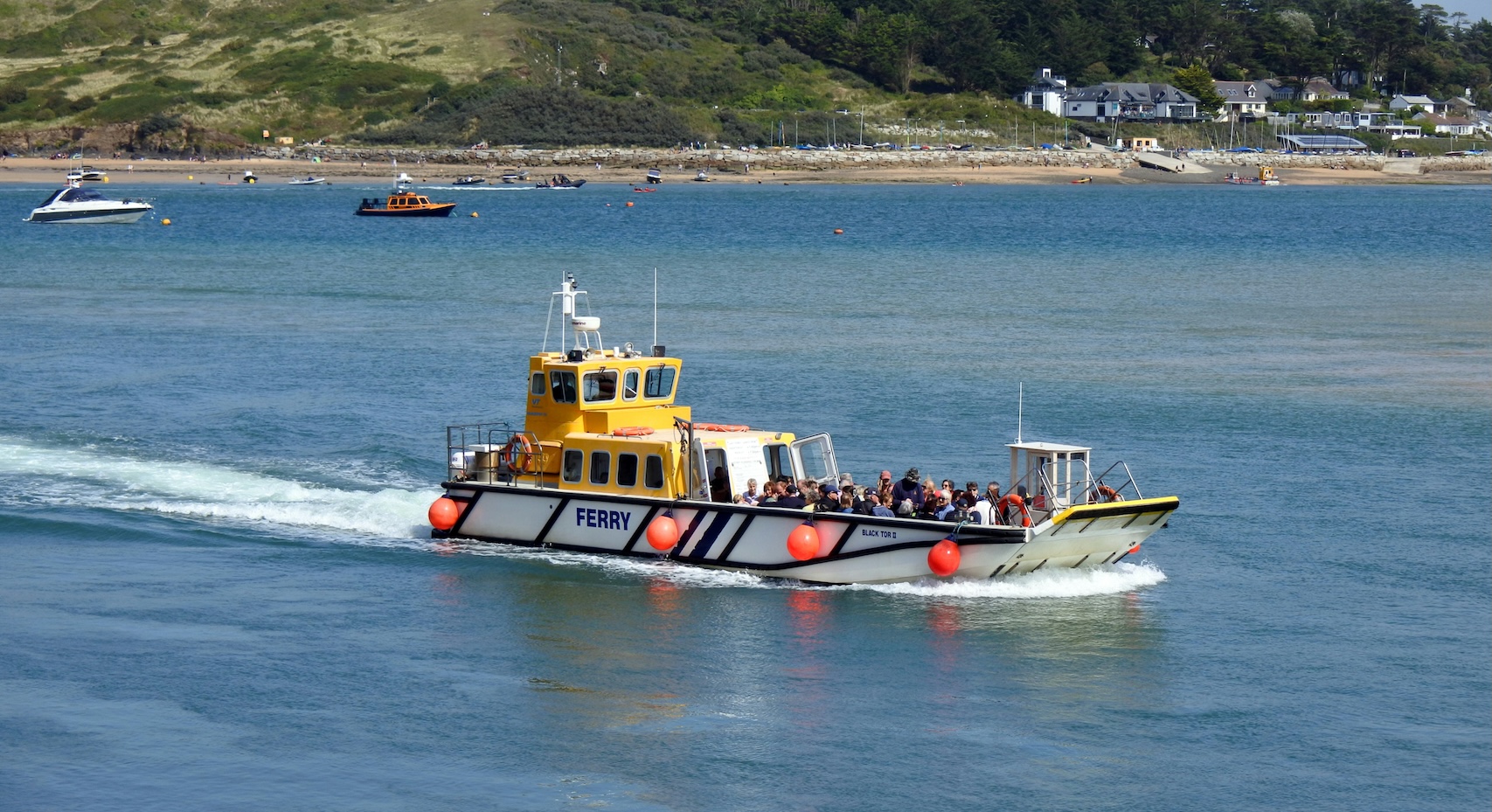
The main ferry in the area is the Isles of Scilly service from Penzance, but it is for foot passengers, so your motorhome stays on the mainland. The Scillonian III sails from Penzance to St Mary’s in about 2 hours 45 minutes, usually Monday to Saturday, from around March or April to October or November. Isles of Scilly Travel notes that motorhomes and caravans cannot be taken to the islands.
2026 is the final season for the Scillonian III, which entered service in 1977; its replacement, Scillonian IV, is scheduled for March 2027, according to Baird Maritime. If you want a day trip, leave the van at a campsite or a car park and check sailing dates.
What else should you know before you go?
Check the weather, fill up before the far west, and keep a flexible plan.
- Weather: Atlantic weather changes fast. Autumn and winter are wetter and windier, so be careful with awnings and high-sided vehicles on exposed headlands.
- Fuel and shopping: stock up in a larger town such as Penzance before heading to the far west.
- Heat in summer: warm spells can make a van uncomfortable; see our heat and air conditioning guide.
- Thinking of a longer trip? Our guides to Belgium and the Netherlands are good follow-ups.