Updated August 2026 — Europe
In short: yes, you can sleep in your motorhome anywhere a car is allowed to park, as long as you stay inside the vehicle and set nothing up outside. The moment you put out levelling blocks, a table, chairs or the awning, you’re no longer “parking” — you’re “camping”, and that’s when fines start. This single distinction explains most penalties.
It’s the question every traveller asks, beginners and veterans alike: am I allowed to spend the night here? The answer comes down to one simple but decisive nuance, parking is not camping, plus a few local rules worth knowing. Here’s everything to keep in mind to travel with peace of mind in 2026.
Parking or camping: what’s the difference, and why it matters
In most European countries, a motorhome is legally a vehicle like any other. It can therefore park anywhere cars are allowed to, as long as it isn’t dangerous, obstructive or abusive.
Everything hinges on one thing: how much space you occupy around the vehicle.
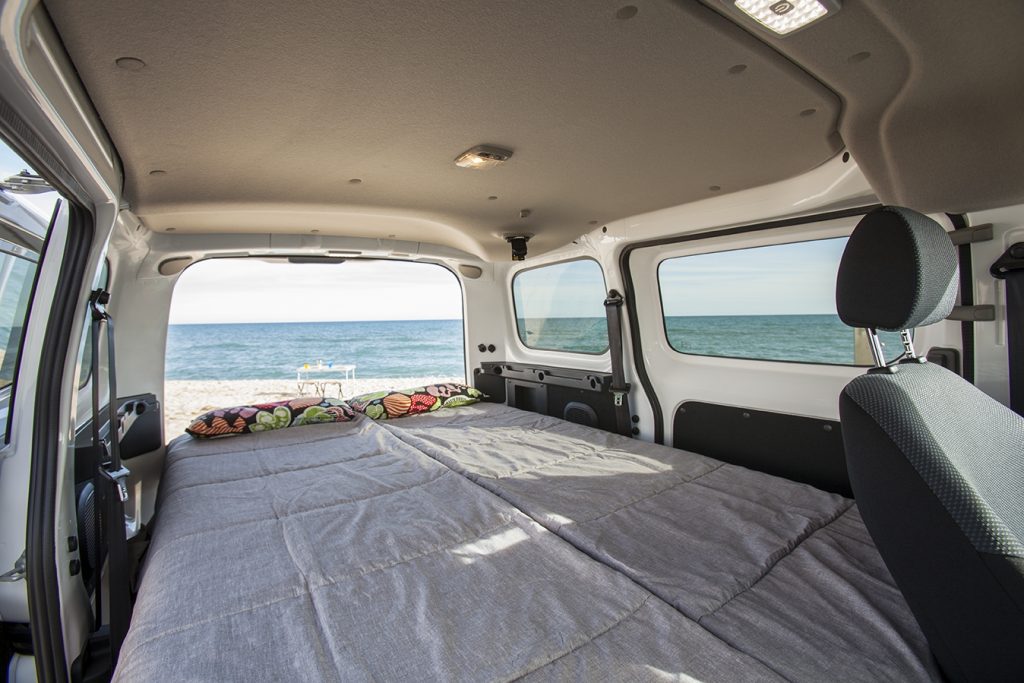
You’re parking (allowed) if the only contact with the ground is the wheels and nothing extends beyond the vehicle’s footprint. Sleeping inside, blinds closed, falls within this.
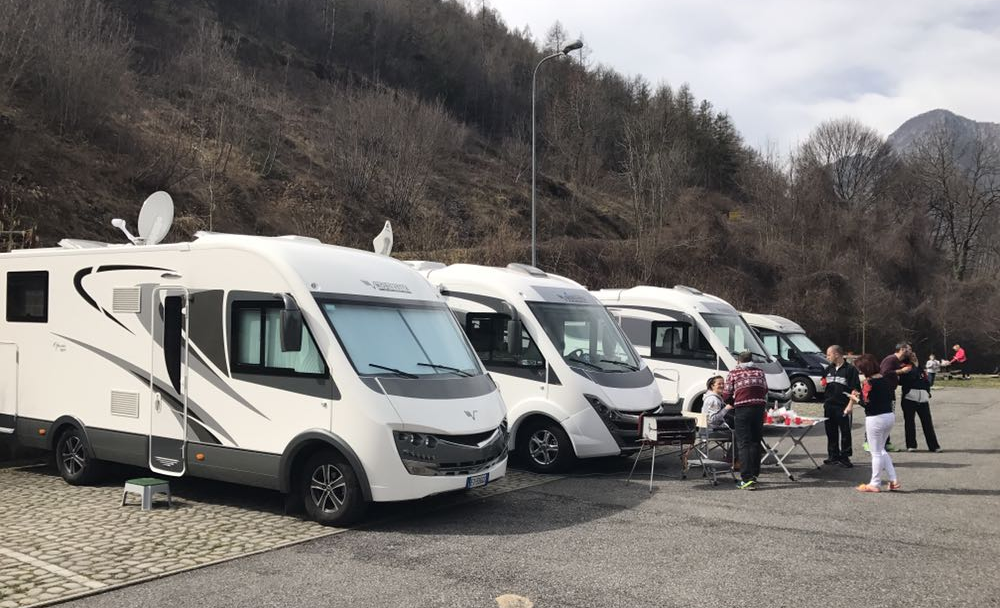
You’re camping (regulated, often banned outside dedicated areas) as soon as you put out blocks, a table, chairs, the awning or any other equipment.
Remember this rule: as long as everything stays inside the vehicle, you’re parking; the moment something comes out, you’re camping. It applies, in similar forms, across most of Europe.
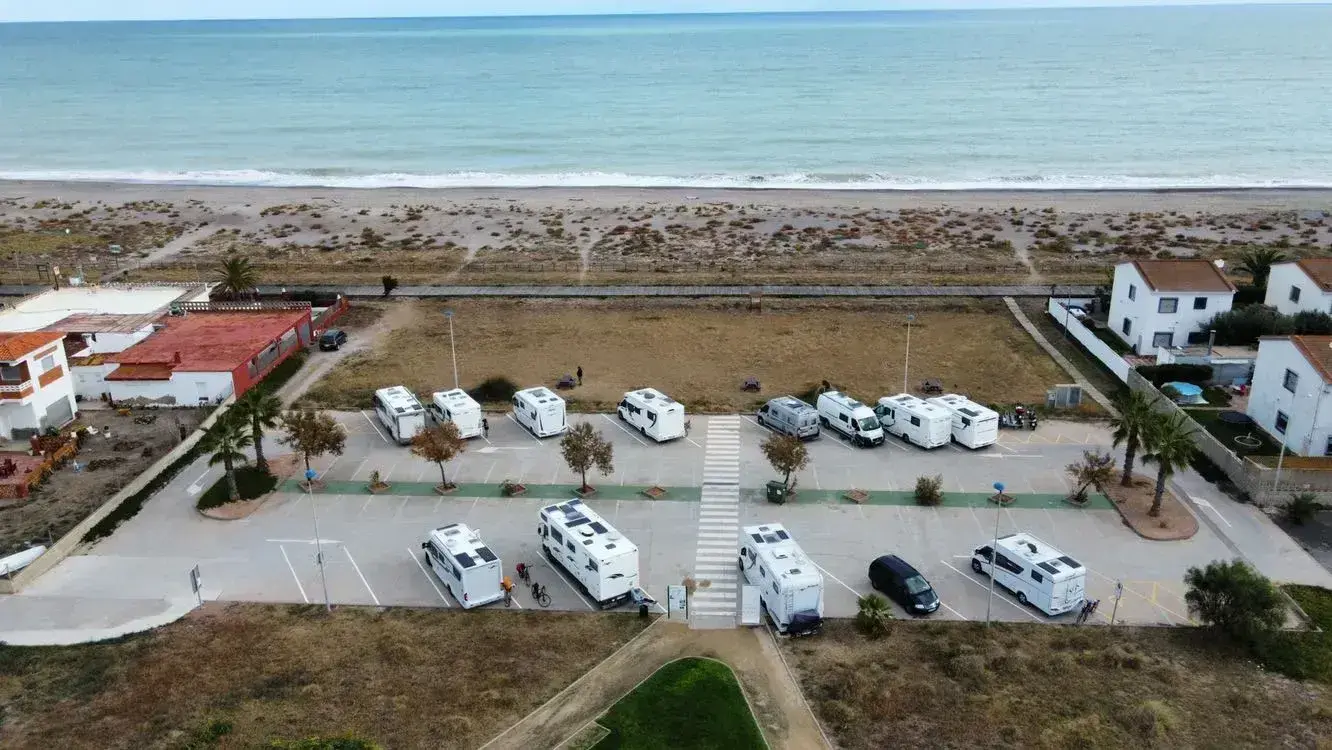
A concrete example: parked on a seafront car park, blinds closed, you spend the night in your vehicle → you’re parking, which is tolerated where it’s allowed. The next morning you unfold the table and chairs for breakfast outside → you’re camping, and now you can be fined. Same place, same vehicle: it’s the “setting up” that changes everything.
Parking, wild camping, bivouac: don’t mix them up
Three words come up again and again, and confusing them leads straight to a fine. Here’s the distinction:
- Parking: the vehicle is simply parked, wheels on the ground, nothing outside. You can sleep in it. This is the most permissive setup.
- Wild camping: a setup that extends beyond the vehicle (awning, table, chairs) outside a designated area. Generally prohibited, especially in protected or tourist zones.
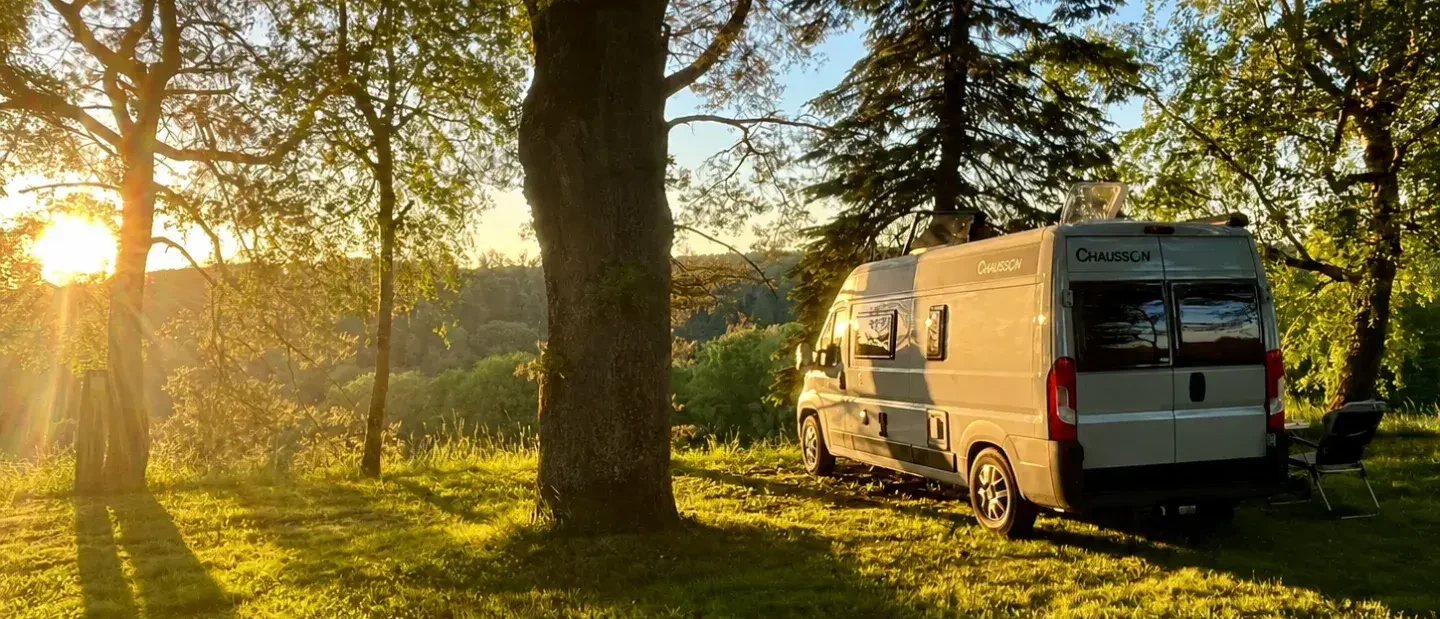
- Bivouac: a single-night stop in nature, from dusk to dawn, without setting anything up. Tolerated in some countries and areas, banned in others (national parks in particular). A grey area to handle with care.
Bottom line: spending one night in your vehicle without setting anything up almost always keeps you on the right side; anything resembling a setup exposes you.
Can you sleep in a motorhome while traveling abroad? Rules by country
La logique « stationner ≠ camper » se retrouve partout en Europe, mais chaque pays a ses spécificités. Voici l’essentiel, avec le lien vers notre guide complet pour chaque destination.
| Country | Key thing to know | Full guide |
|---|---|---|
| 🇫🇷 France | Park freely like a car, 7-day max, no setting up, protected zones off-limits, LEZ… | Rules in France |
| 🇪🇸 Spain | Since the DGT clarification, parking ≠ camping: wheels only on the ground, no overhang, nothing set up; many local LEZ in 2026 | Rules in Spain |
| 🇮🇹 Italy | Wild camping banned (fines €100–500), rules vary widely by region, ZTL in city centres, tolls on motorways | Rules in Italy |
| 🇩🇪 Germany | One single night often tolerated to “restore fitness to drive”; wild camping in principle prohibited, stricter in Bavaria | Rules in Germany |
| 🇵🇹 Portugal | Overnight stays up to 48h per municipality since 2021, tight controls in the Algarve, waste discharge heavily fined | Rules in Portugal |
| 🇬🇷 Greece | Wild camping banned and strict rules to know before you go | Rules in Greece |
The right reflex abroad: check local signage at every stop and, when in doubt, the recent community reviews for the spot. Rules change fast, especially along the coast and in tourist areas.
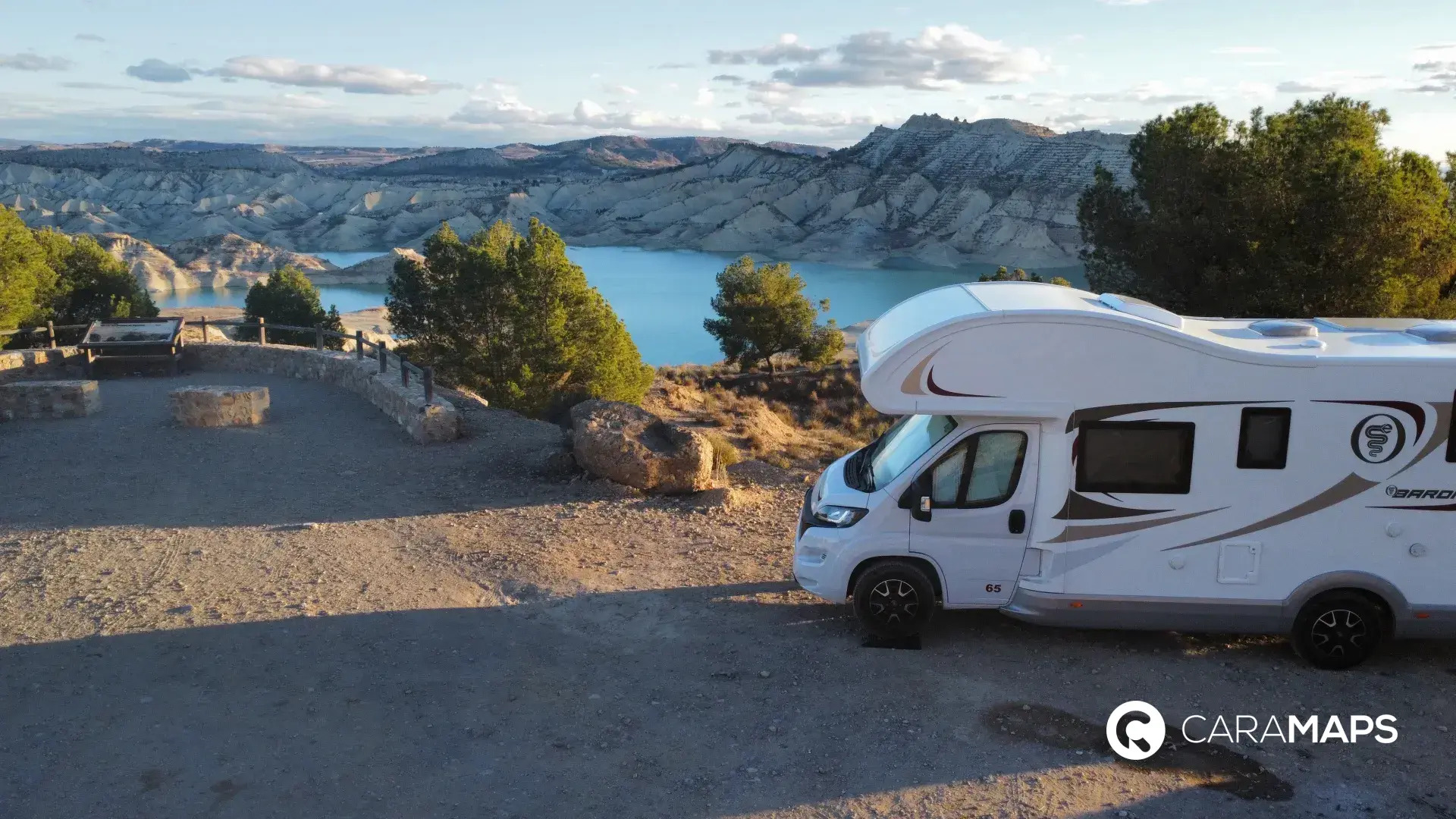
How to know if you’re allowed to stop here
Facing a spot you like, five reflexes prevent almost every unpleasant surprise:
- Read the signage. A sign at the entrance of the car park or area overrides any general rule: maximum duration, specific ban, opening hours.
- Spot the sensitive zones. Seafronts, nature parks, listed sites, water-catchment perimeters, historic centres: places where overnight stays are often prohibited.
- Take nothing out of the vehicle. Simply staying in “parking configuration” protects you in the vast majority of cases.
- Check height and size. Height barriers, narrow lanes, underground car parks: anticipate before committing.
- Check other travellers’ recent feedback. Often the most reliable information: a spot that’s legal on paper may be closed, run-down or newly banned.
It’s that fifth reflex that saves the most time, and that’s where an active community makes all the difference..
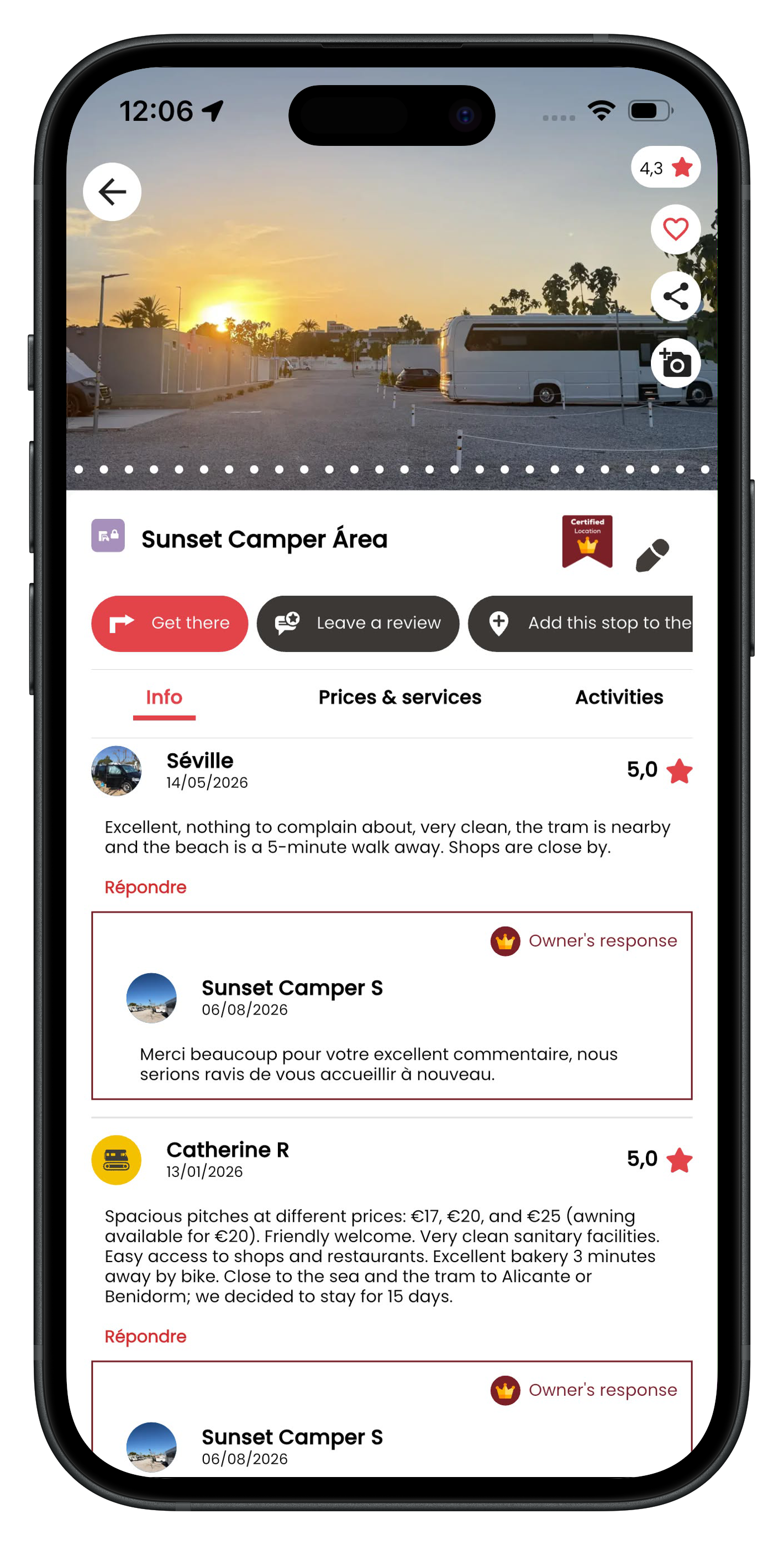
So where can you sleep legally and stress-free?
The question isn’t only “am I allowed?” but “where can I settle without stress?”. Four options, from the most regulated to the most free:
- Motorhome service areas: built for you: parking allowed, water, waste disposal, sometimes electricity, often free or cheap.
- Campsites: maximum comfort and services, ideal for a longer stay.
- Community-shared spots: car parks, viewpoints and nature stops verified and reviewed by other travellers.
- Hosts (farms, estates, artisans): sleeping at a local producer’s place, an authentic and responsible way to travel.
This is where CaraMaps makes the difference: the app lists over 100,000 spots and areas across Europe, with recent community reviews so you know, before you arrive, whether a place is allowed, open and pleasant. No more hunting for a space, no more bad surprises: you find your legal stopover in seconds, height and vehicle size taken into account.
Key takeaways
- Sleeping in your motorhome is allowed anywhere a car can park — as long as you take nothing out of the vehicle.
- Respect the maximum duration shown on local signage.
- In many countries, local authorities cannot ban motorhomes from an entire municipality.
- Avoid protected zones (seafronts, parks, water catchments).
- Abroad, the logic is the same but always check the local rule.
- When in doubt, a service area or a community-verified spot is the safe bet.
Regulations change regularly and local rules always take priority: this article gives a general framework, on-site signage is what counts.