It’s always good to know how to properly fill up your gas tank. Whether you’re a beginner or not, a motorhome owner or not, a new driver or a race car driver, discover our take on filling up! It’s one of the most important steps to get your vehicle ready before heading out to explore the most beautiful landscapes in Europe thanks to CaraMaps locations.
Here’s how to proceed in an optimal and safe way.
Preparing your arrival at the pump
Even before handling the nozzle, proper preparation is essential.
Choose the right fuel
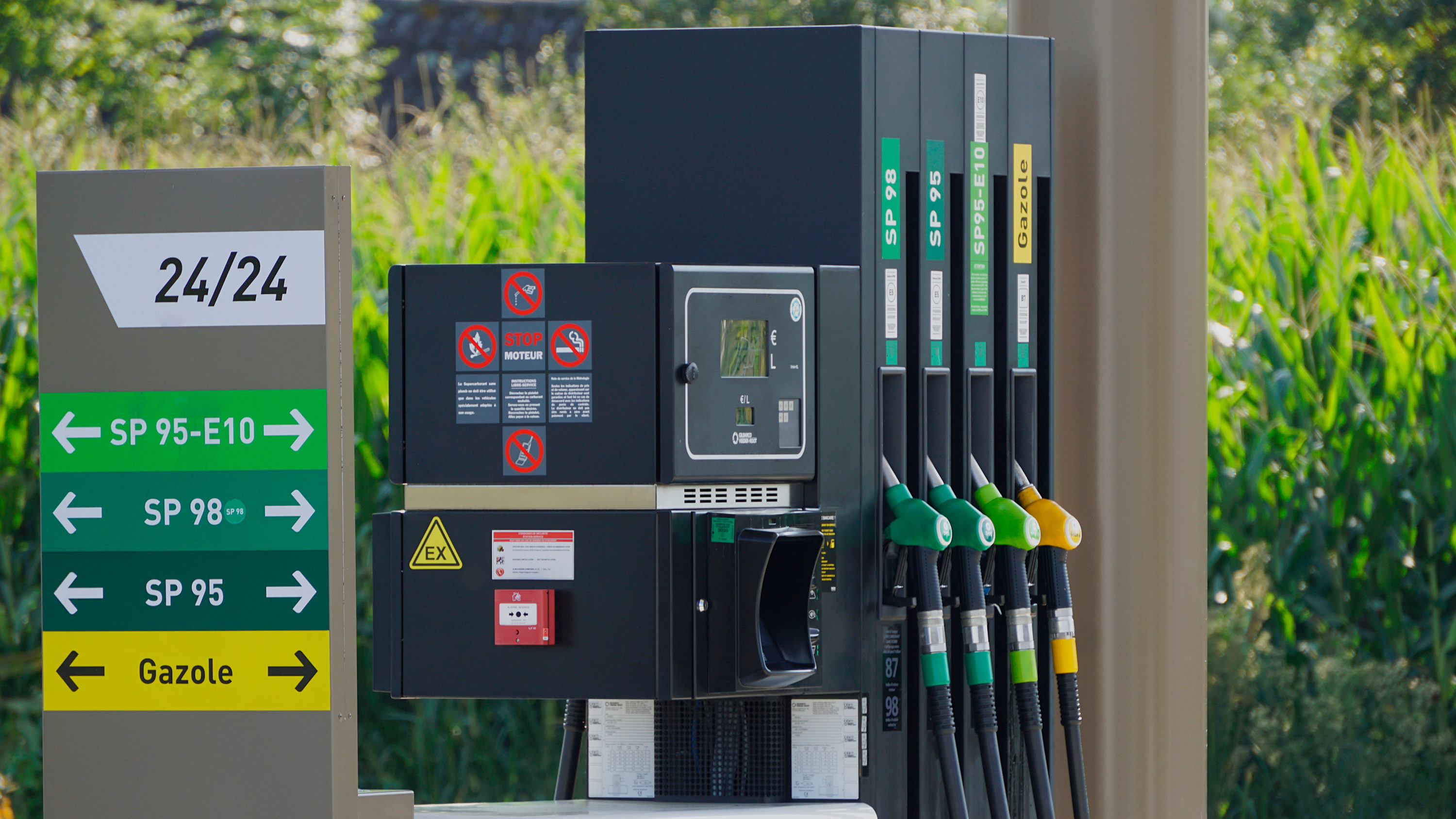
- Gasoline or diesel? Watch out for mistakes! The wrong type of fuel can seriously damage your engine!
- Check the type of fuel recommended by the manufacturer (unleaded petrol 95 or 98, or diesel) in your manual or on the label inside the fuel cap. If in doubt about a specific model, you can consult your dealer. Otherwise, an online search with the year of manufacture can help.
Locate the side of the gas tank
- To know which side to park on without getting out of the vehicle, look at your dashboard: a small arrow next to the fuel gauge indicates the side of the fuel door.
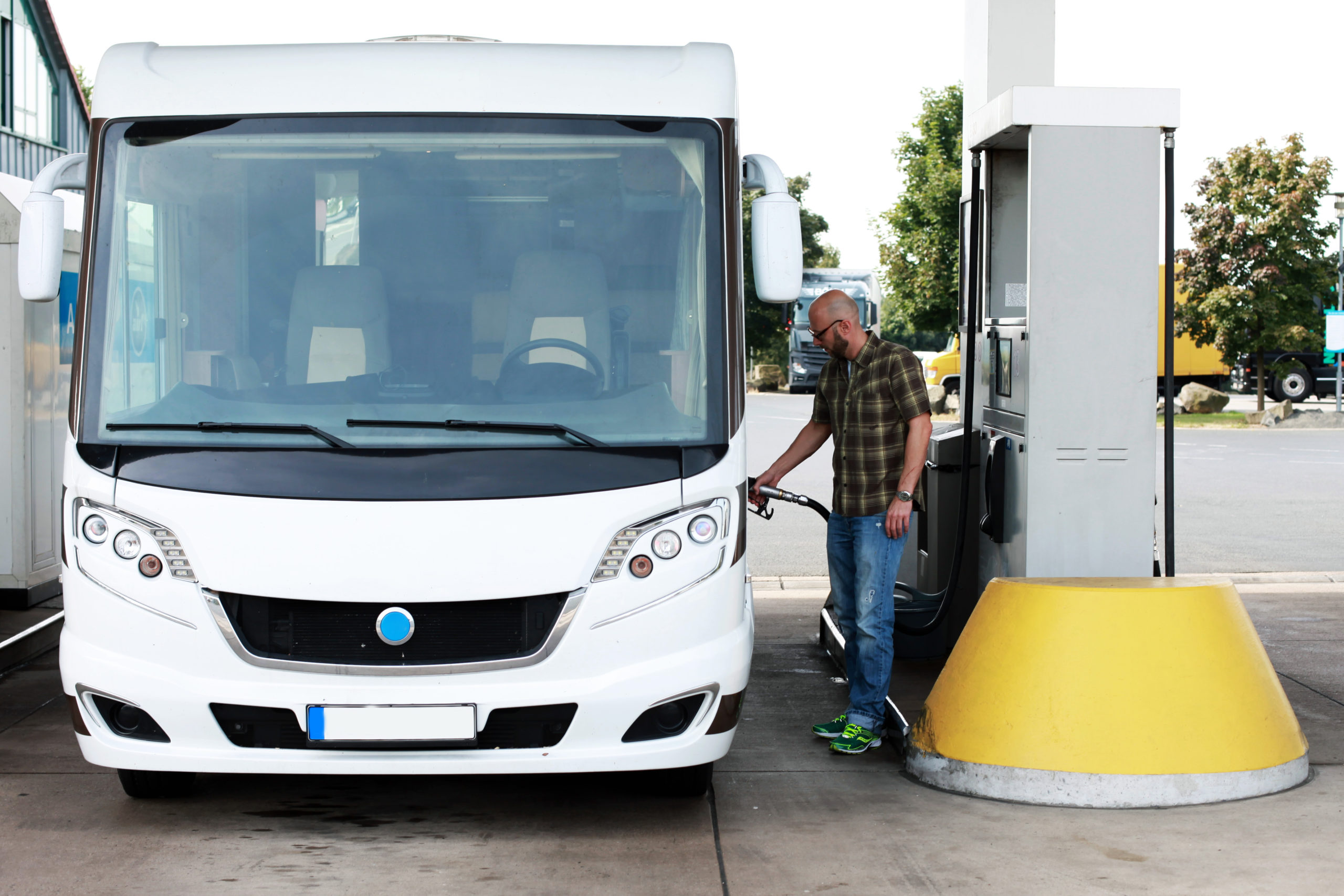
Position yourself correctly (especially with a large vehicle such as a motorhome)
- Park so that the tank is close to the pump without obstructing other users.
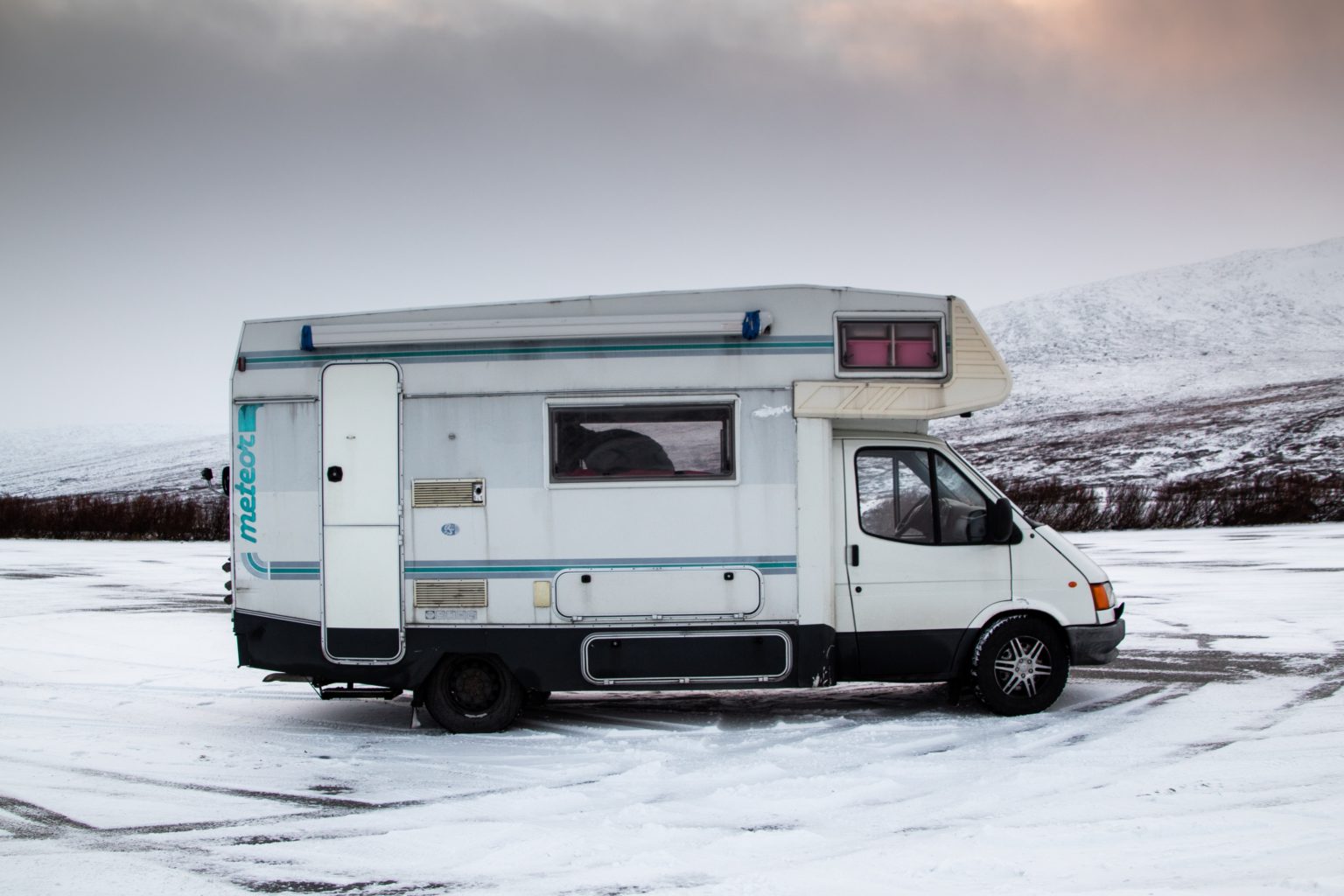
- If you are driving a motorhome or another large vehicle, anticipate your exit trajectory. Service stations can sometimes be narrow for long overhangs. Also watch out for the height of the station canopy!
- Also check which pump number you will be using and prepare your method of payment.
Mandatory safety rules
Safety first!
- Turn off the engine!
- This is mandatory to reduce the risk of fire and excessive pressure.
- In the case of a motorhome, be sure to close the gas valves (propane/butane cylinders) before entering the station.
- Never smoke at a gas station.
- Do not use your mobile phone.
- Turn off the radio to avoid unnecessarily draining your auxiliary or backup batteries.
- Do not leave the keys in the ignition while performing the operation.
Filling up step by step
Open the fuel door and cap gently, without forcing, and insert the nozzle fully into the tank.
- A small tip: for large refuels (60 or 70 liters), it takes time and can hurt your hand to constantly squeeze the handle. To avoid holding the nozzle continuously, you can use the small locking latch built into the nozzle (if available) or simply switch hands. (Note: using a makeshift pin is not recommended.) When the tank is full, the nozzle will automatically stop.
The stop signal: as soon as you hear the first “click,” stop. Do not try to force in a few extra liters; this can cause overflows that are dangerous for your bodywork, your tires (loss of grip), or the environment.
Closing: Remove the nozzle carefully to avoid splashes and make sure the cap is tightly closed to prevent evaporation and leaks.
Tips to save money on gas
Saving money at the pump is possible with a few simple habits!
Choose the right place and time
- Avoid highways: fuel there is on average 13 to 17 cents more expensive per liter.
- Favor supermarket service stations, which often offer lower prices, sometimes even “at cost” operations. However, check accessibility for large vehicles if relevant.
- Use comparison tools
- Dedicated apps or the government’s GOV.UK Fuel Finder service allow you to locate the cheapest stations around you in real time. CaraMaps recommends downloading the PetrolPrices app! It’s super useful, easy to use, and ideal for saving money on fuel!
- Timing matters
- Prices are often higher on Mondays and Sundays.
- Filling up in the evening or early morning is generally more advantageous than during the day (cooler temperatures limit gas expansion).
Optimize consumption and refueling
- Don’t wait until you’re on reserve!
- It is recommended to refuel when the tank is half full.
- The less air there is in the tank, the less the fuel (which is highly volatile) evaporates. This also helps avoid condensation in winter.
- Manage the flow: by pressing the nozzle less firmly (slow flow), you limit vapor formation and therefore fuel waste.
- Adopt eco-driving
- Reducing your speed by 10 km/h can save you up to 1 liter per 100 km.
- Use cruise control on flat roads and anticipate braking by using engine braking.
- Maintain your vehicle
- Underinflated tires significantly increase fuel consumption.
- Likewise, a clean engine (decarbonization) or replaced air filters optimize energy efficiency.
- Travel light: remove roof racks, roof boxes, or unnecessary items that weigh down the vehicle and reduce its aerodynamics.
- For motorhomes, empty your grey water tanks and keep only the minimum amount of fresh water needed for the journey.
Off you go!
You are now ready to pay for your gas and set off to explore the most beautiful roads in Europe for new adventures!
Fully experience your journey with CaraMaps!