Summers keep getting hotter, and so do our living spaces. Once it climbs past 32 °C outside, a motorhome parked in full sun can reach 50 or even 60 °C inside: enough to turn your freedom machine into a rolling oven. Heat is no longer just an annoyance; it has become a genuine matter of comfort and health on the road.
Good news: between the smart (free) habits and equipment that has improved enormously in recent years, you can now travel cool without breaking the bank. Here are all our tips to beat the heat in a motorhome, plus a complete rundown on air conditioning: which systems exist, which to choose, and above all how to handle the tricky part: electrical autonomy.
Free tips to beat the heat in a motorhome
Before even talking about equipment, remember that the cheapest air conditioning is the kind you can avoid needing. Everyday good habits win you back 5 to 8 °C inside. Do these first.
1. Stay hydrated
We can’t say it enough: drinking water is essential to help your body fight dehydration. Don’t wait until you’re thirsty; sip regularly throughout the day.
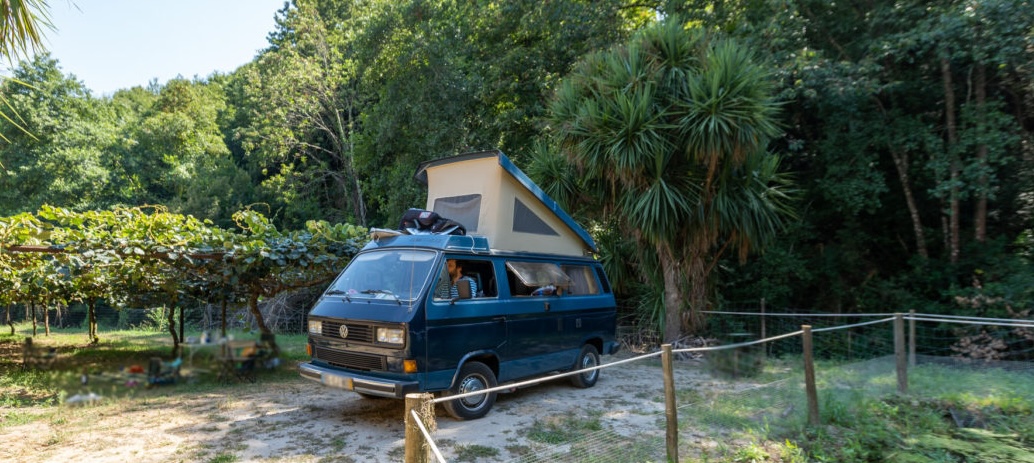
2. Park in the shade… and orient the vehicle well
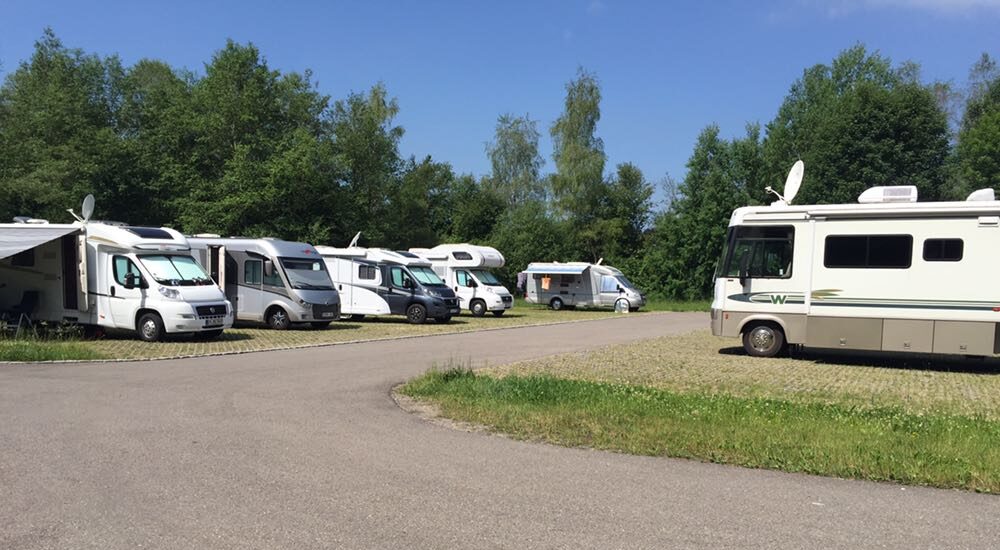
Finding a shaded spot is essential, but not always easy in a heatwave. Bonus tip: point the large glazed side north, as that’s the surface that captures the most heat.
Thanks to CaraMaps and the community’s photos and comments, you can spot shaded places in advance.
3. Adjust your driving hours
Avoid driving during the hottest hours, especially without air conditioning. Favour early-morning and evening trips. Your engine will thank you too!
4. Create airflow at the right times
Close blinds, curtains and windows during the day to lock the heat outside, then open everything wide early in the morning and in the evening to ventilate. A roof vent at the rear plus a front window cracked open create a very effective airflow.
5. Limit heat-producing appliances
TV, hob, oven, large appliances: each one warms the cabin. Cook outside instead, or go for cold meals (salads, raw vegetables) during the hottest hours.
6. The little extras that cool things down
A spray mister, lukewarm showers, damp towels hung in front of an open roof vent, a door fly-screen so you can sleep with windows open… These simple touches really change summer nights.
And you, what’s your most effective anti-heat trick? Tell us in the comments!😃
Choosing the right air conditioning for your motorhome
Long seen as a luxury gadget, cabin air conditioning has become a genuine comfort feature. And the technology has come a long way: recent units are lighter, quieter, less power-hungry and cheaper than a few years ago. A well-cooled vehicle also resells better.
But not all systems are equal. Here’s how to find your way.
The main types of air conditioning
The rooftop compressor air conditioner
The most common solution. It mounts in place of a standard roof vent (40 × 40 cm cut-out) and diffuses cool air evenly through a ceiling vent. Typical outputs: 1,700 to 2,400 W of cooling, for a 5-to-8 m cabin. Market references: Dometic, Truma, Teleco, Telair
The under-seat / locker air conditioner
Installed in a storage locker or under a bench, it frees up the roof (handy if your solar panels are already up there) and lowers the centre of gravity. Distribution is via ducts. Often more discreet noise-wise in the bedroom. Flagship models: Truma Saphir, Dometic Freshwell FWX4.
The native 12V air conditioner
The rising newcomer. Powered directly by the leisure battery, with no inverter or 230 V hook-up, it cools both while driving and parked. Ideal for vans, panel vans and low-profiles that love off-grid stays. Examples: Dometic RTX, Indel B Plein-Aircon, 12V ranges from Truma and Telair. ⚠️ Reserve it for well-sized installations (lithium + solar).
The portable air conditioner
Placed on the floor with exhaust through a roof vent or window. No drilling, moved at will. Perfect as a backup or for occasional use a few weeks a year (e.g. EcoFlow Wave, Brunner Polarys Twinair).
The evaporative cooler
Draws very little (1 to 4 A) but only cools by 4 to 6 °C, and only in dry air. In a humid Mediterranean climate its effectiveness collapses. Reserve it for tight budgets and dry regions, and avoid it in enclosed spaces (humidity, condensation).
| Type | Cooling output | Autonomy without 230V | Noise | Indicative budget | Who’s it for? |
| Rooftop 230V | 1 700–2 400 W | ❌ (mains required) | 47–55 dB | €1 200–2 000 | Motorhomes, stays at serviced campsites |
| Under-seat/locker 230V | 1 800–2 400 W | ❌ (mains required) | Very quiet | €1 800–2 500 | Roof taken by solar, large coachbuilts |
| Native 12V | 700–1 000 W | ✅ (2–3 h/night depending on battery) | 40–52 dB | €1 200–2 500 | Vans in off-grid stays, touring |
| Portable | 2 000–3 500 BTU | ⚠️ (with a large battery) | 52–58 dB | €280–750 | Backup, occasional use |
| Evaporative cooler | 60–150 W | ✅ | Faible | €100–300 | Tight budget, dry climate |
Air conditioning trends worth knowing
What sets recent models apart from earlier generations:
- Inverter technology (variable-speed compressor): the unit adjusts its power in real time instead of running all-or-nothing. Result: less noise, less consumption and a longer lifespan.
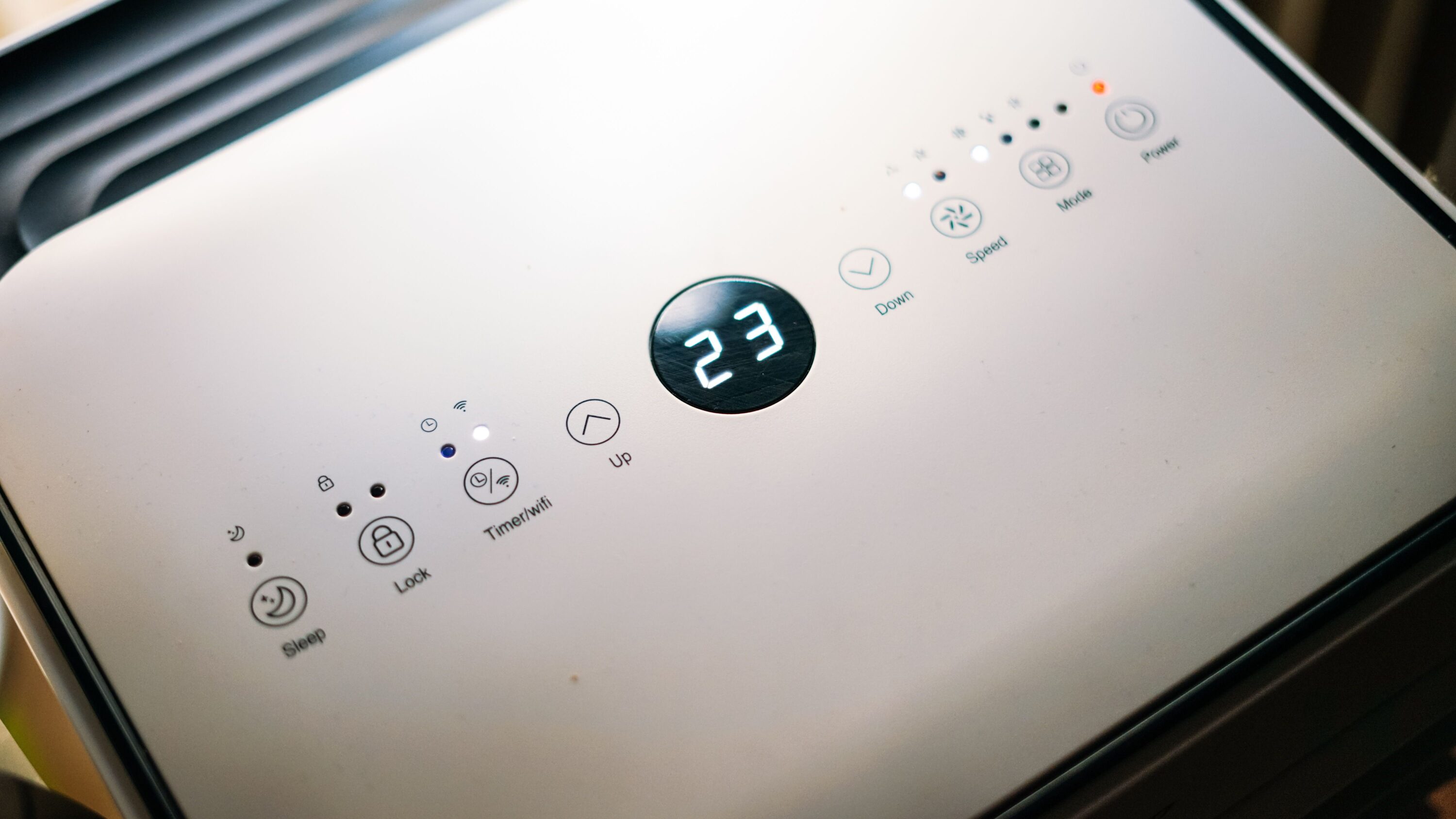
- Connected control: more and more models are operated via smartphone app / Wi-Fi, with scheduling and a “Smart” mode that regulates ventilation automatically.
- Reversible models: fitted with a heat pump, they double as backup heating in winter — a real plus for ski trips and four-season use.
- Greener refrigerants: R32 and especially R290 (natural) are gradually replacing older gases, for a lower environmental impact.
- Compact formats: shorter units (some around 71 cm) that free up roof space for solar panels — logical when autonomy is the goal.
The real question: electrical autonomy
This is THE point many discover too late. On a 230 V hook-up at a campsite, any rooftop air conditioner runs without a hitch. The difficulty begins off-grid.
Some orders of magnitude to grasp it:
- A rooftop AC draws 70 to 90 Ah per hour from a 12 V bank.
- A 200 Ah lithium (LiFePO4) battery therefore gives only about 2 hours of real running time.
- The famous “self-sufficient solar air conditioner” is largely a mirage: a 200 W panel produces roughly 1 kWh on a fine summer day… which is what an AC uses in a single hour.
The only setups that truly last a full night combine 400 to 600 Ah of lithium + a 2,000–3,000 W pure sine wave inverter + 400 to 600 Wp of solar. A sizeable investment (€2,500–3,500), justified for true full-timers.
👉 In short: for mostly serviced-campsite or family use in a vehicle over 6 m, a 230V rooftop AC remains the most rational choice. For a van touring far from hook-ups, a native 12V well backed by lithium and solar makes sense. And for occasional needs, a portable model avoids heavy spending.
💡To properly size your battery + solar setup before investing in an AC, always have your bank’s capacity and your inverter’s power checked by a professional.
The other anti-heat equipment
Air conditioning isn’t the only option. Depending on budget and use, also consider:
The roof fan (vent extractor)
Less effective than an air conditioner, but perfect for renewing the air and expelling the hot air trapped under the roof. It fits on the roof vent and uses very little power.
Cool boxes (to complement the fridge)
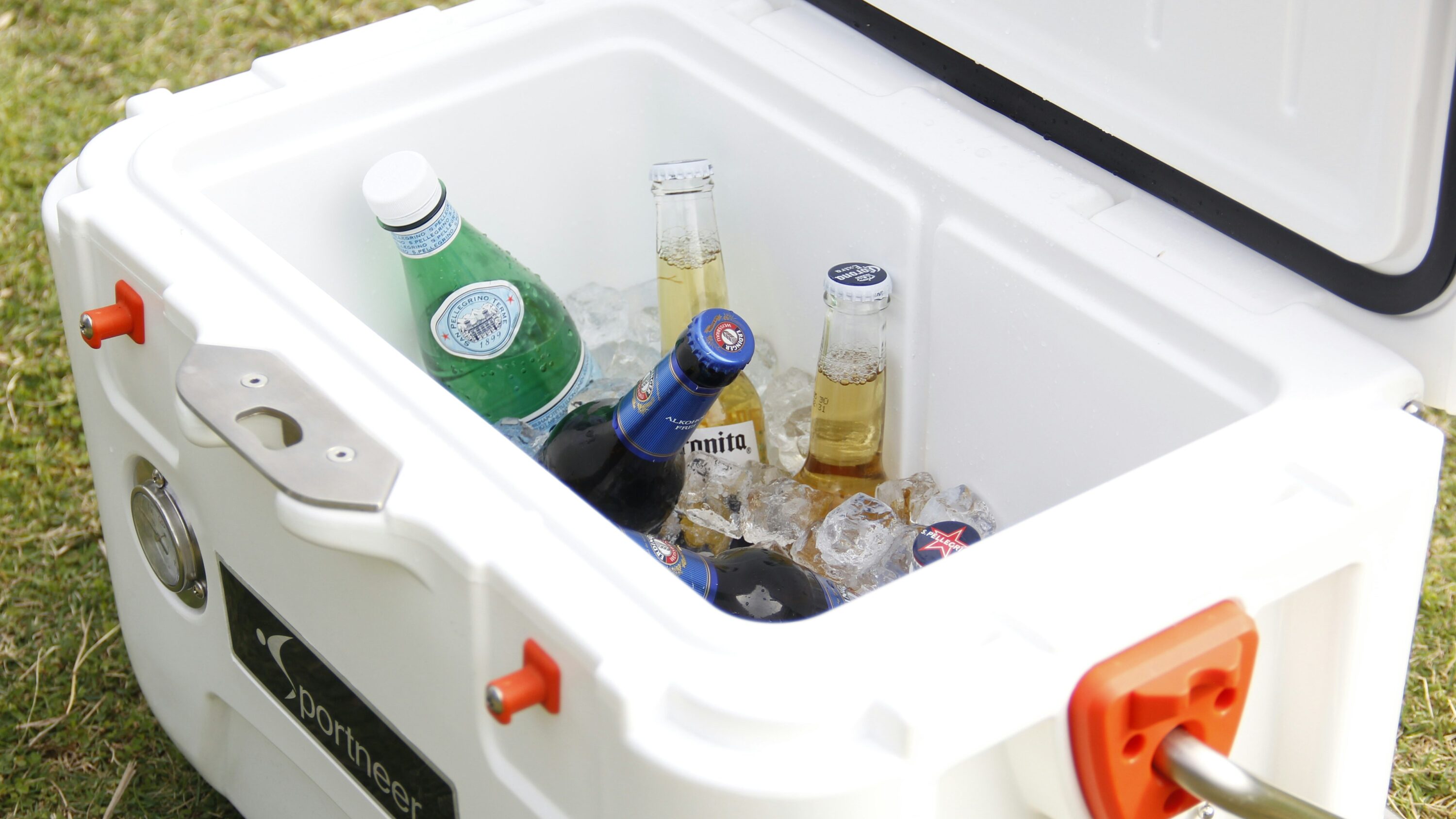
- Compressor cool box: produces cooling and freezing, runs on 12V/230V. The best performer for long trips.
- Thermoelectric cool box: keeps things cold (best optimised with ice packs). Ideal for short getaways.
- Absorption cool box: keeps things cool without producing cold, runs on gas, 12V or 230V.
External thermal screens
Insulated blinds and external screens (especially on the windscreen) stop the heat before it gets in, and also help against the cold in winter. External thermal screens alone win you several degrees.
You’ll find these accessories at specialist retailers.
FAQ – Air conditioning and heat in a motorhome
This list isn’t exhaustive: ask your questions in the comments, the CaraMaps community will answer!
Our destinations for a cooler summer in France
One last tip if you’re not a fan of intense heat: pick a naturally milder itinerary. Rather than the south of France, Spain or Portugal (heatwaves guaranteed), head for the northern and western coasts 👇
The Côte d’Opale (Nord-Pas-de-Calais)
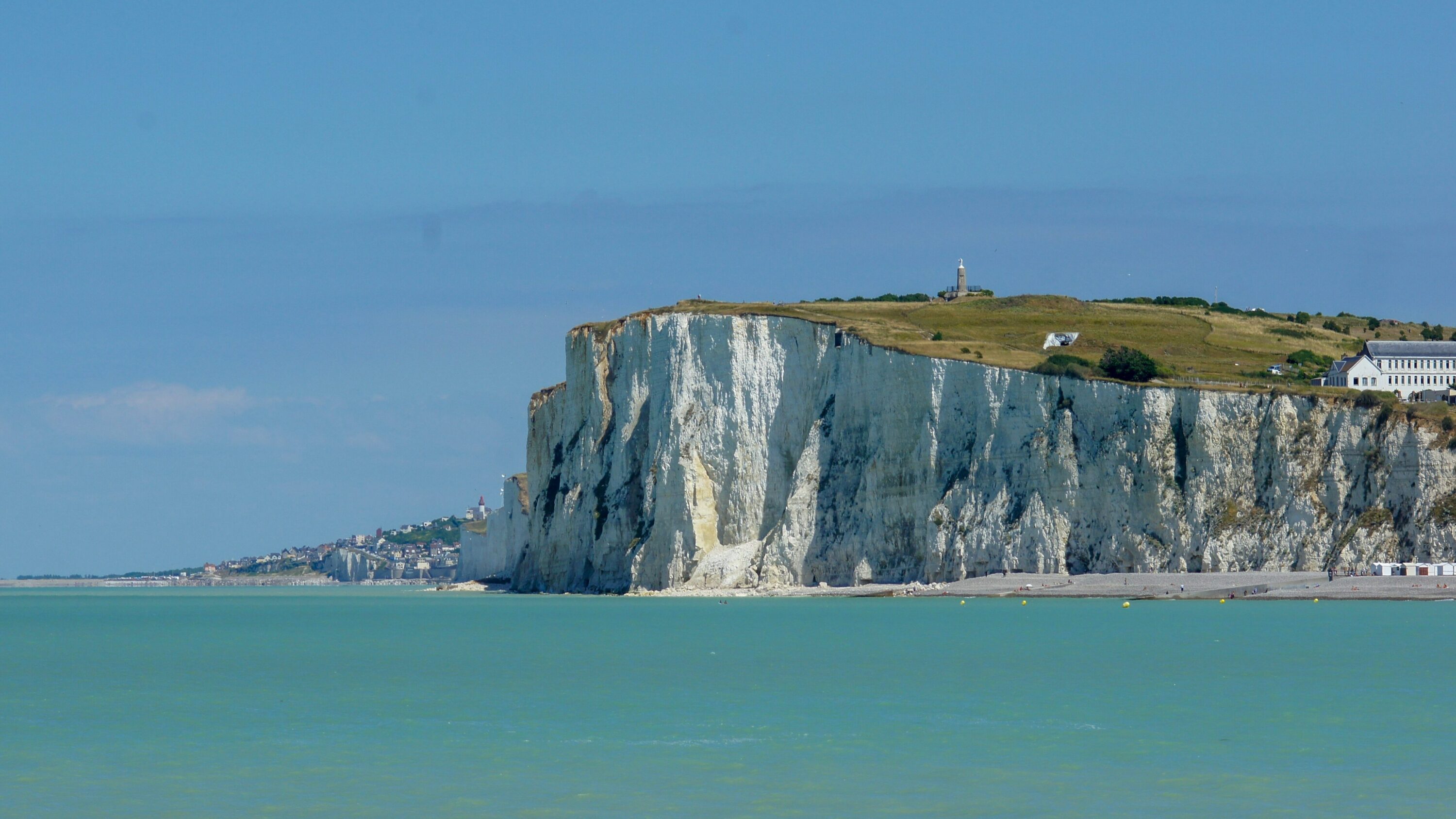
Stretching 120 km between Dunkerque and Berck-sur-Mer, this coastal region will surprise you with its wild beaches, endless dunes and cliffs.
🚐📍Stay at Camping Côte d’Opale Le Blanc Nez, close to the beach!
Gulf of Morbihan (Brittany)
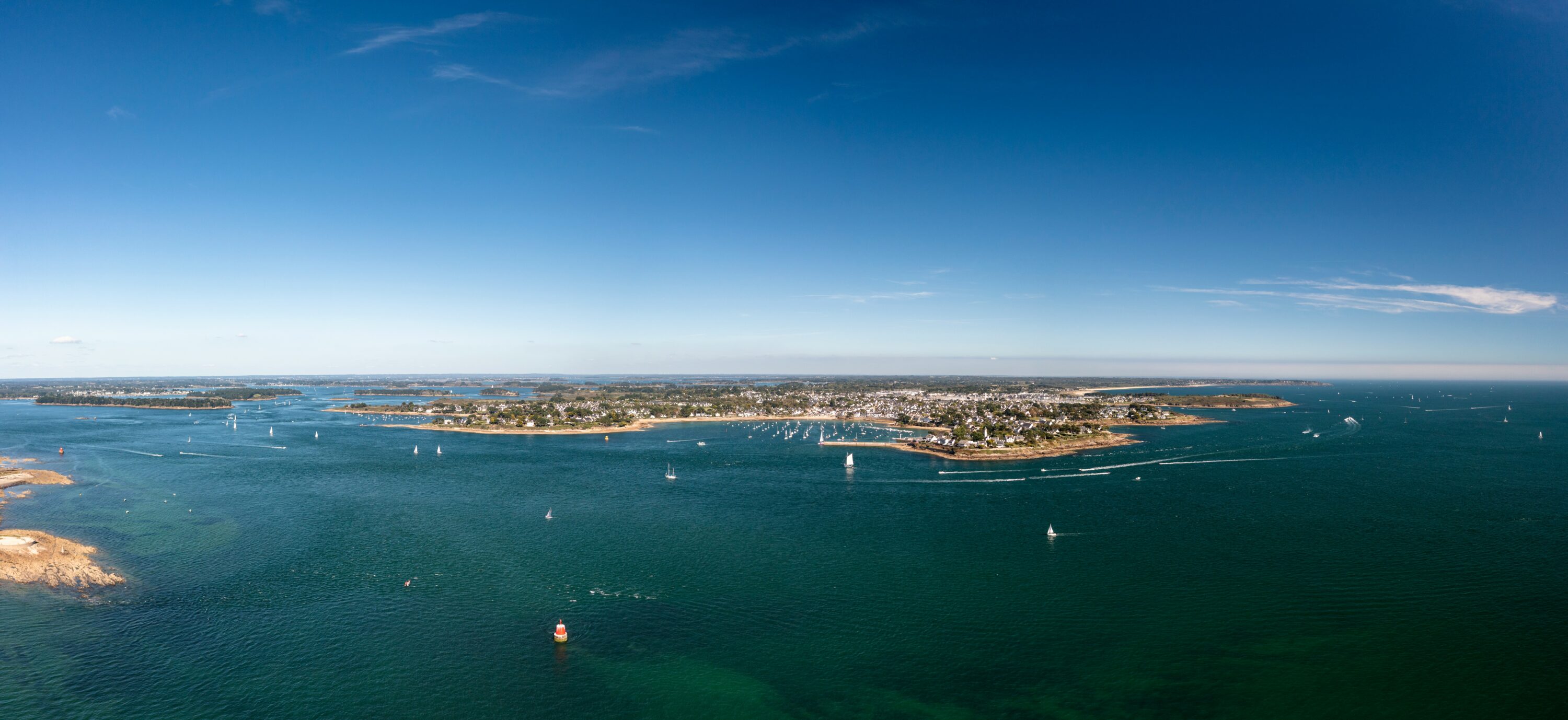
Off to Brittany, to see one of the most beautiful bays in the world! With its rich historical, cultural and culinary heritage, Morbihan is an ideal destination for a cooler holiday.
🚐📍Stop at Camping Mané Guernehué, in Baden, in the heart of the Gulf of Morbihan: shaded grounds, close to shops and the sea.
Côtes d’Armor (Brittany)
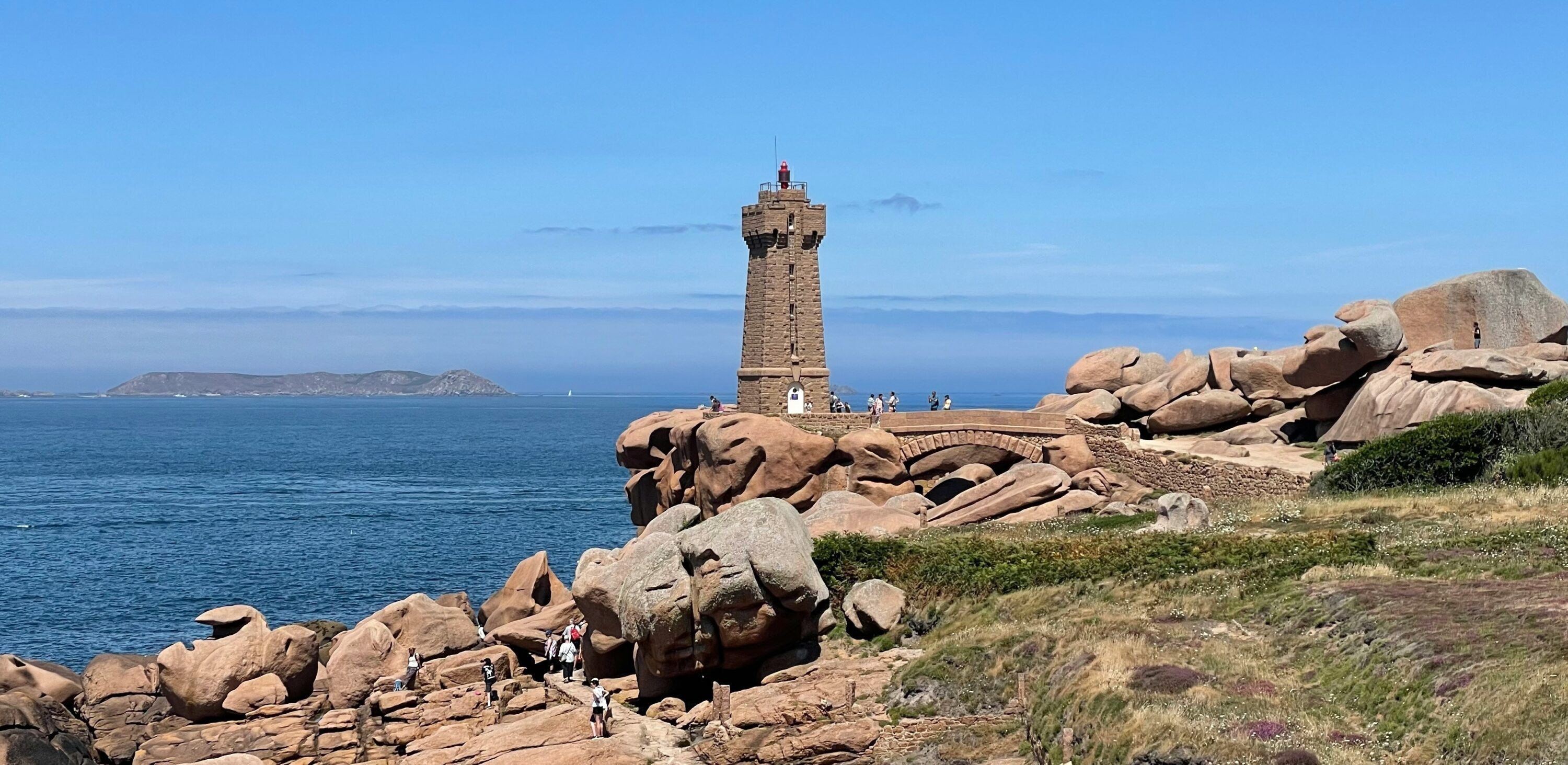
If you love nature and history, you won’t be disappointed touring the Côtes d’Armor! With its magnificent bays, abbeys and castles, there’s plenty to enjoy. Don’t miss the Pink Granite Coast, the Sept-Îles, the medieval town of Dinan or Cap Fréhel.
🚐📍Stay at Camping Panorama du Rohou, in Ploubazlanec, much loved by CaraMaps travellers!
Côte Fleurie (Normandy)
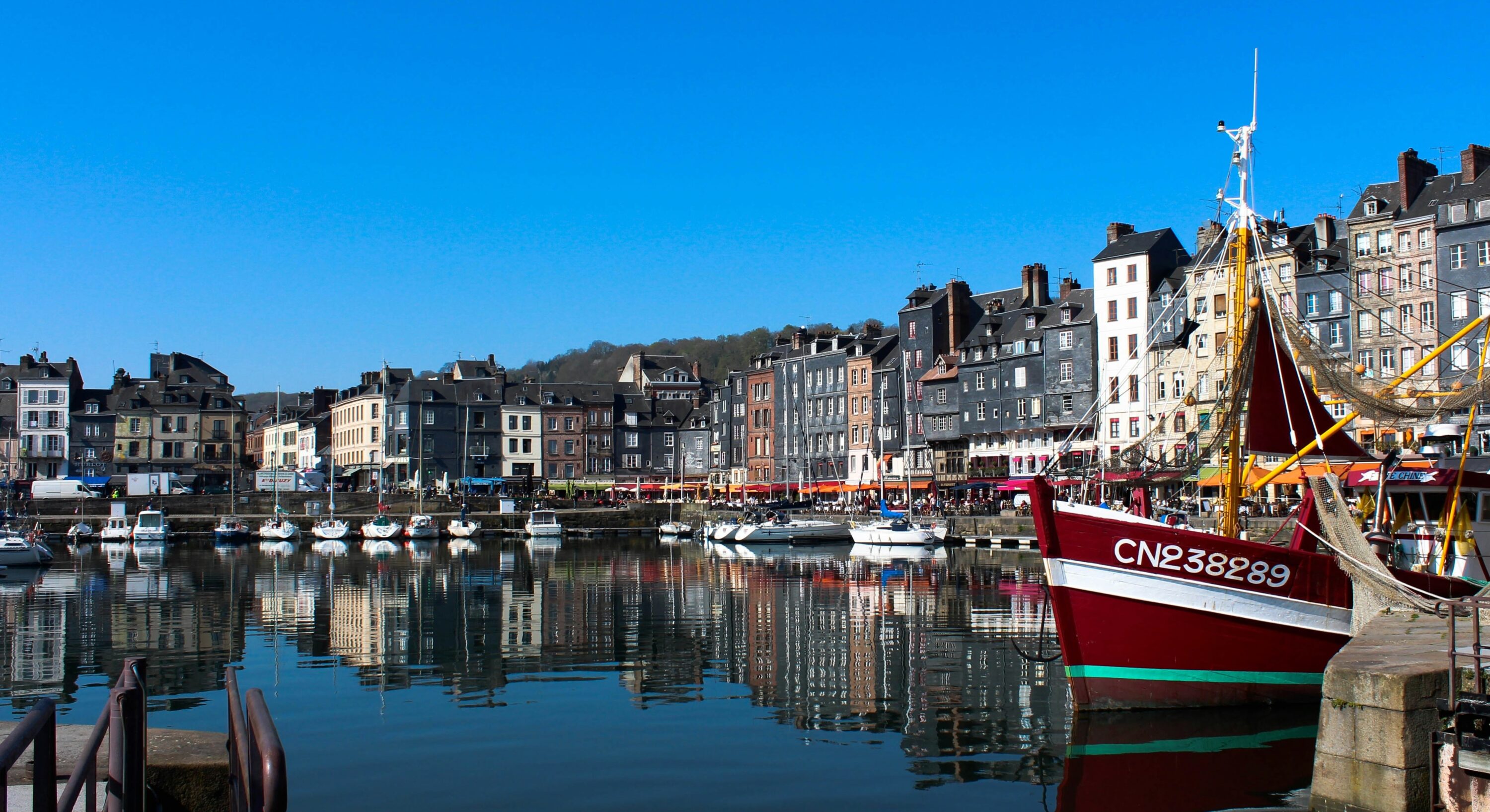
Located in Calvados, in Lower Normandy, this coast runs from Cabourg to Honfleur. You’ll find fine sandy beaches, one of the most famous being Deauville. Take the chance to discover typically Norman towns such as Trouville-sur-Mer or Villerville.
🚐📍Passing through the Côte Fleurie? Stop at Camping de la Plage, in Blonville-sur-Mer!
Côte d’Albâtre (Normandy)
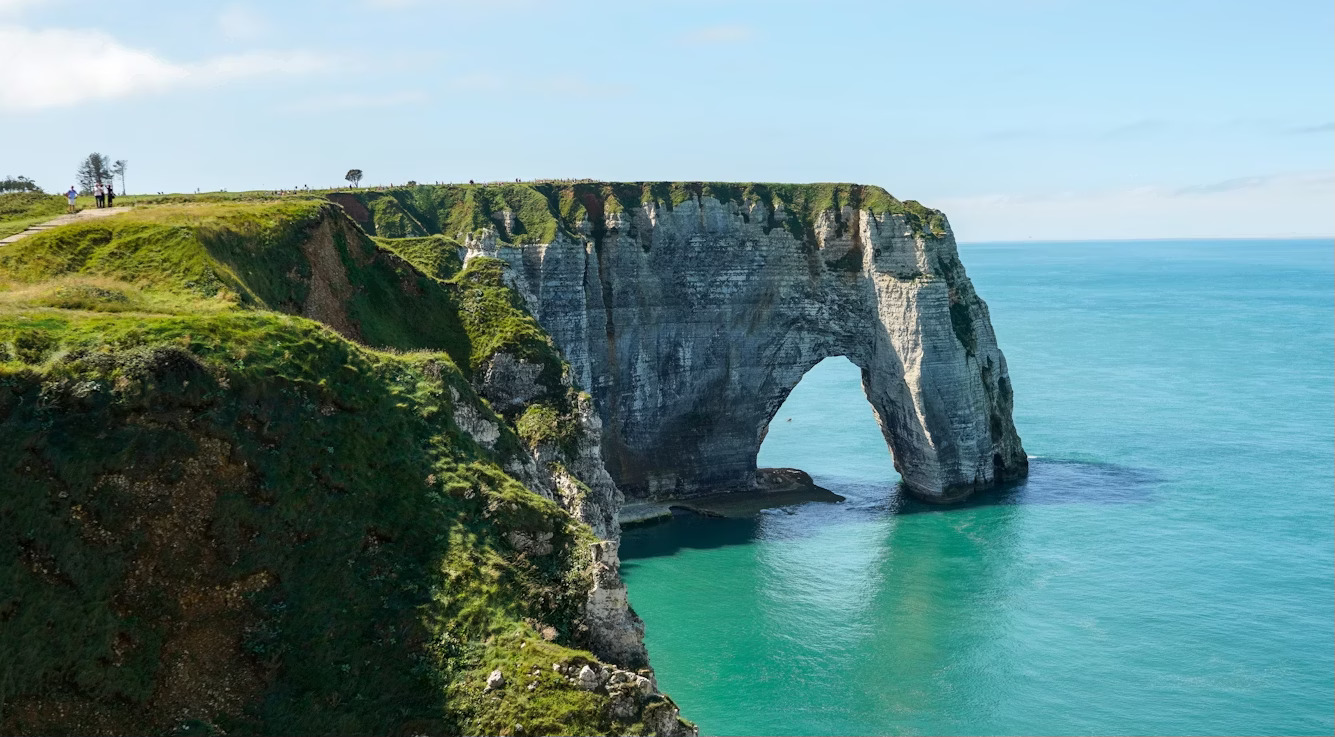
Off to Upper Normandy, to discover another ideal destination if you’d rather not suffer the heat in a motorhome: the Côte d’Albâtre! It’s a coast unique in France, with its 130 km of chalk cliffs overlooking the Channel. Don’t miss the famous cliffs of Étretat!
🚐📍Head to Camping Les Falaises de Toussaint, which has earned the CaraMaps label four years running!
Find all these spots (and more) in our special itinerary for the northwest coast of France.
There you go, ready to face the summer heatwaves, with smart habits and good gear on your side! 💪
Enjoy the itinerant-travel experience guided by the CaraMaps community? Share your best stories and favourite shady spots with the 100% collaborative CaraMaps app 😊
Follow us on Instagram and Facebook to discover new spots, itineraries and motorhome-world news every day!