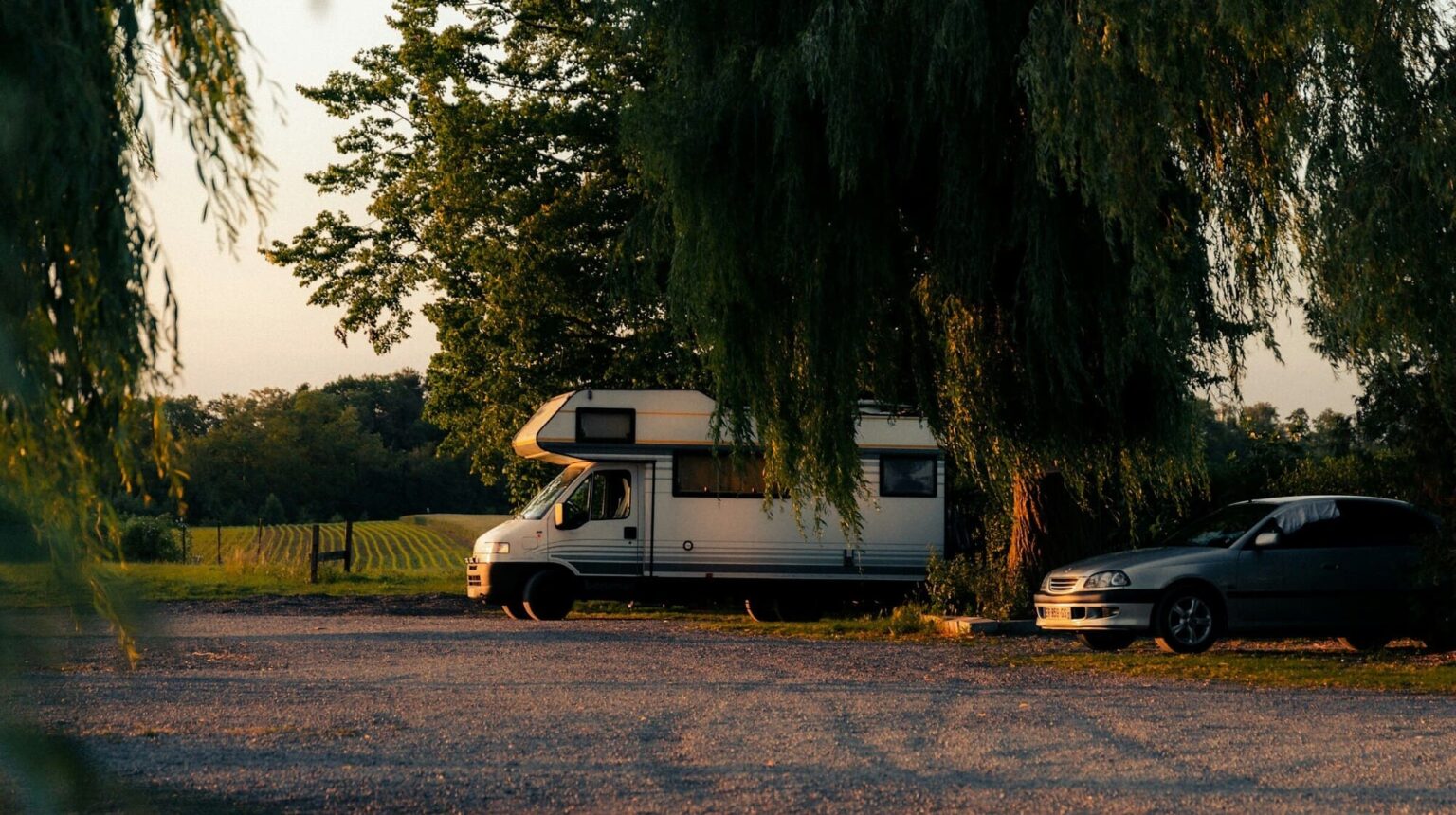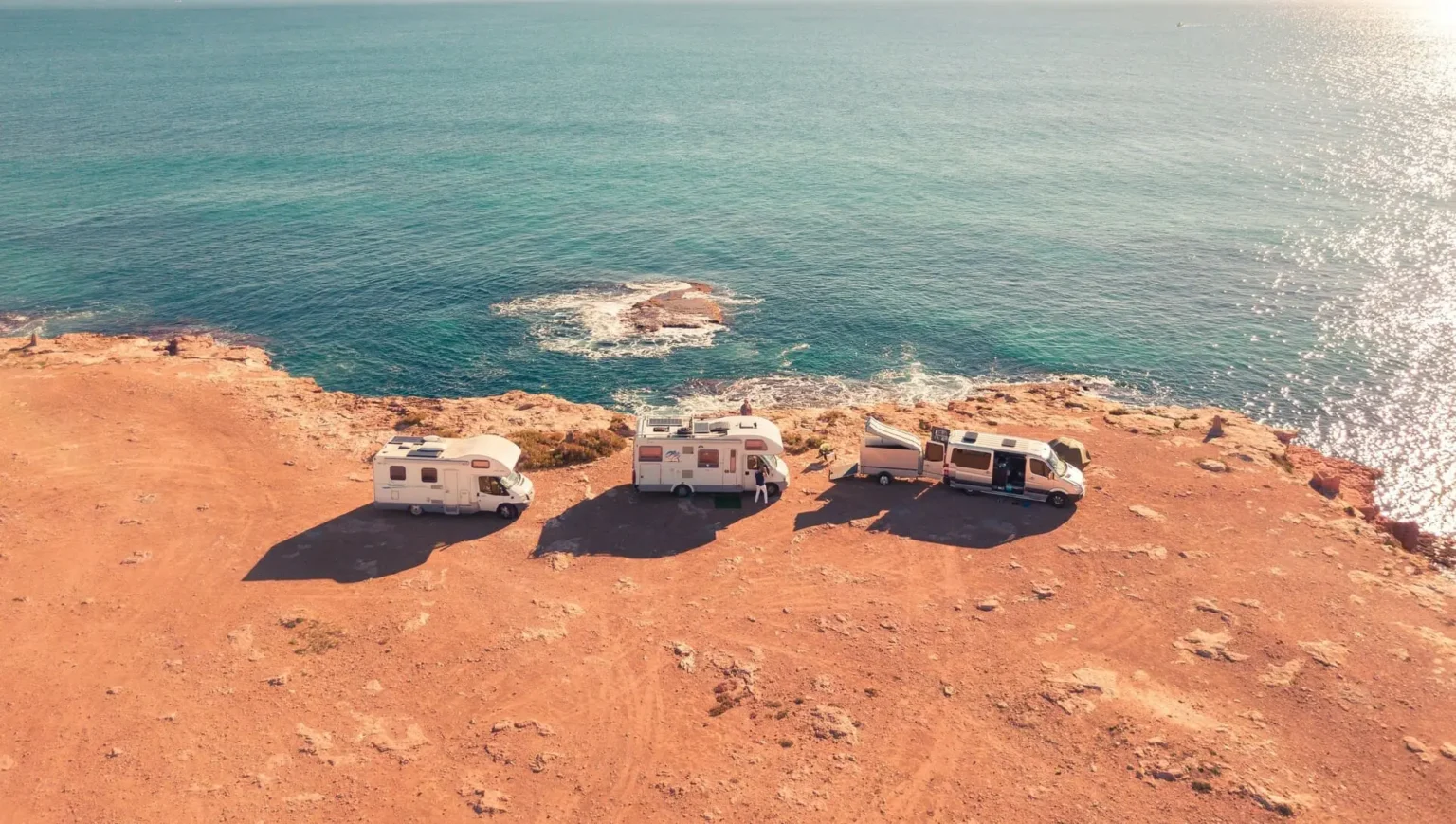
Northern Italy is a top destination for road trip enthusiasts, offering an exceptional variety of landscapes—from Alpine peaks and crystal-clear lakes to historic cities. Traveling by campervan or motorhome lets you fully embrace the vanlife experience with complete freedom, while benefiting from a well-developed infrastructure network for road travelers.
Regulations and restrictions to know in 2026
Here are a few key points to keep in mind before setting off:
- Identity documents: A valid ID card or passport is sufficient for EU citizens. It is strongly recommended to keep a digital copy of your documents in case of loss.
- Insurance: Make sure to review your insurance policy before departure and take out additional coverage if needed.
- It’s also advisable to carry some cash, as certain private parking operators and toll booths still require cash payments.
- In Italy, there is a clear distinction between simple parking and camping:
- Authorized parking: You can sleep in your vehicle anywhere parking is not explicitly prohibited, as long as you remain discreet.
- Regulated camping: Any setup outside the vehicle (tables, extended side windows, stabilizing jacks) is considered camping and is generally prohibited on public roads.
- Wild camping is strictly forbidden, especially in tourist areas such as the Dolomites or Lake Garda. However, a few local exceptions may exist. For more details, check out our article on the best wild camping spots in Italy.
For further information, we recommend reading our article on Italian regulations.
ZTL and LEZ zones for motorhomes in Northern Italy
When traveling through Northern Italy by campervan, two types of urban restrictions can quickly turn your road trip into an expensive mistake: ZTL zones and Low Emission Zones (LEZ).
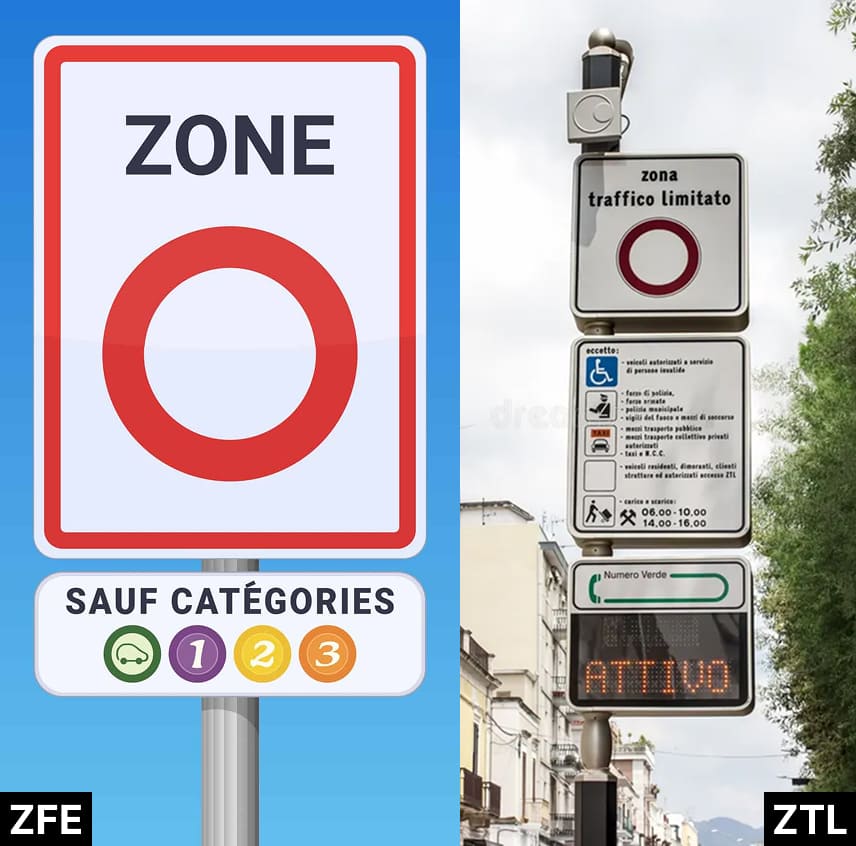
- Limited Traffic Zones (ZTL – Zona a Traffico Limitato): These are the most common—and most challenging—restrictions for motorhome travelers. They are designed to protect historic city centers by limiting access to unauthorized vehicles.
- Signage: A white circular sign with a red border displaying “ZTL” or “Zona Traffico Limitato.”
- Enforcement: Automatic cameras capture your license plate. Fines can reach up to €350 per violation.
- Our tip: Avoid city centers altogether. Official ZTL maps are available on each city’s website.
- Low Emission Zones (LEZ): These zones aim to improve air quality by restricting older petrol and diesel vehicles.
- Access depends on your vehicle’s environmental classification (Euro 0 to Euro 6). Currently, most restrictions apply to diesel vehicles rated Euro 4 or lower (except in Milan’s Area B, where Euro 5 diesel vehicles have been banned since 2024).
- The major ban on Euro 5 diesel vehicles across Northern Italy, originally planned for October 2025, has been postponed. Restrictions will now be gradually implemented starting in autumn 2026 in many Italian cities.
- Older or heavier vehicles (>3.5 tons) are often subject to additional rules.
Tips for stress-free travel:
- Check your vehicle’s Euro standard and consult official municipal websites or tools like Urban Access Regulations before entering major cities.
- Use dedicated motorhome service areas and parking facilities.
- For newer electric or hybrid vehicles: you’ll have more flexibility, but permits are often still required to enter ZTL zones.
- If you receive a fine: pay it quickly to benefit from a reduced rate, and only appeal if you have clear proof of authorization.
Best practices for traveling by motorhome
Budget planning
- In 2026, motorhome service areas in Northern Italy typically cost between €20 and €30 per night, although prices can rise to €45 in highly sought-after locations.
- Campsites usually range from €50 to €80 per night.
- Italian highways are toll roads but are generally cheaper than in France, for example.
- Fuel is also a significant expense.
- To reduce costs, use apps to find the cheapest fuel stations. Keeping your vehicle light and well-maintained is key to lowering fuel consumption.
Route planning
- Plan your itinerary and overnight stops in advance.
- Avoid isolated areas at night and opt for recognized campsites or service areas.
- Respect local customs and stay vigilant in crowded places.
- Bring bottled water, especially in remote areas.
Your vehicle
- Carry out maintenance checks before departure.
- Take inventory of essential equipment.
- Never empty wastewater outside designated areas.
Don’t forget to equip your vehicle with a GPS designed for motorhomes to avoid narrow mountain roads or low bridges! Our CaraMaps app helps estimate accessible routes based on your vehicle’s dimensions.
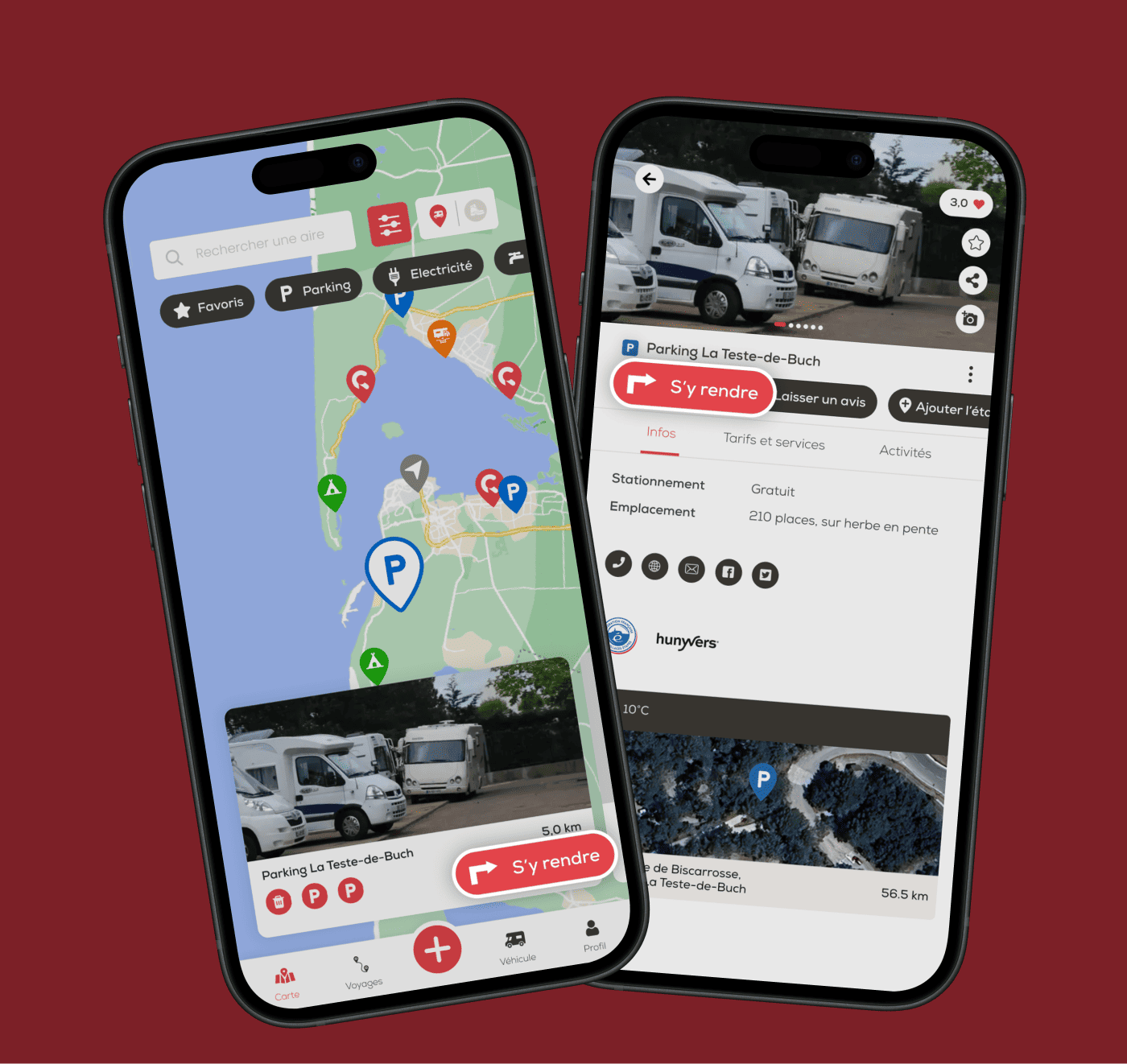
You can also check out our introductory guide to motorhome travel and our article on waste disposal.
Discovering Northern Italy by motorhome
Now let’s get to the heart of the matter. Northern Italy is a mosaic of landscapes, from the granite peaks of the Alps to the fertile Po Valley and the shores of the Adriatic Sea. It is a modern, industrialized region that has preserved a vast cultural heritage, with many sites listed as UNESCO World Heritage.
In February 2026, the region came alive during the Milan-Cortina Winter Olympics, showcasing world-class infrastructure and the wild beauty of the Italian Alps. It’s the perfect time to explore these iconic destinations, still infused with Olympic energy.
An itinerary through Alpine peaks and iconic Dolomites scenery
For this first itinerary, dive into some of Europe’s most spectacular mountain landscapes with a route dedicated to the Dolomites and South Tyrol. Ideal for nature lovers and photographers, this journey invites you to slow down and take in some of the most stunning UNESCO-listed mountain ranges. When traveling by motorhome, choose stable base camps to fully enjoy mountain roads, and book access to popular sites in advance for 2026.
Bolzano
The gateway to South Tyrol, Bolzano (Bozen) offers a fascinating blend of Mediterranean and Alpine cultures. Surrounded by vineyards and overlooked by the first peaks of the Dolomites, this bilingual city charms visitors with its lively historic center, market, and the Ötzi the Iceman Museum. It’s an ideal starting point, offering easy access to the Dolomite valleys while enjoying a relaxed atmosphere of cafés and strolls.
1. Val di Funes
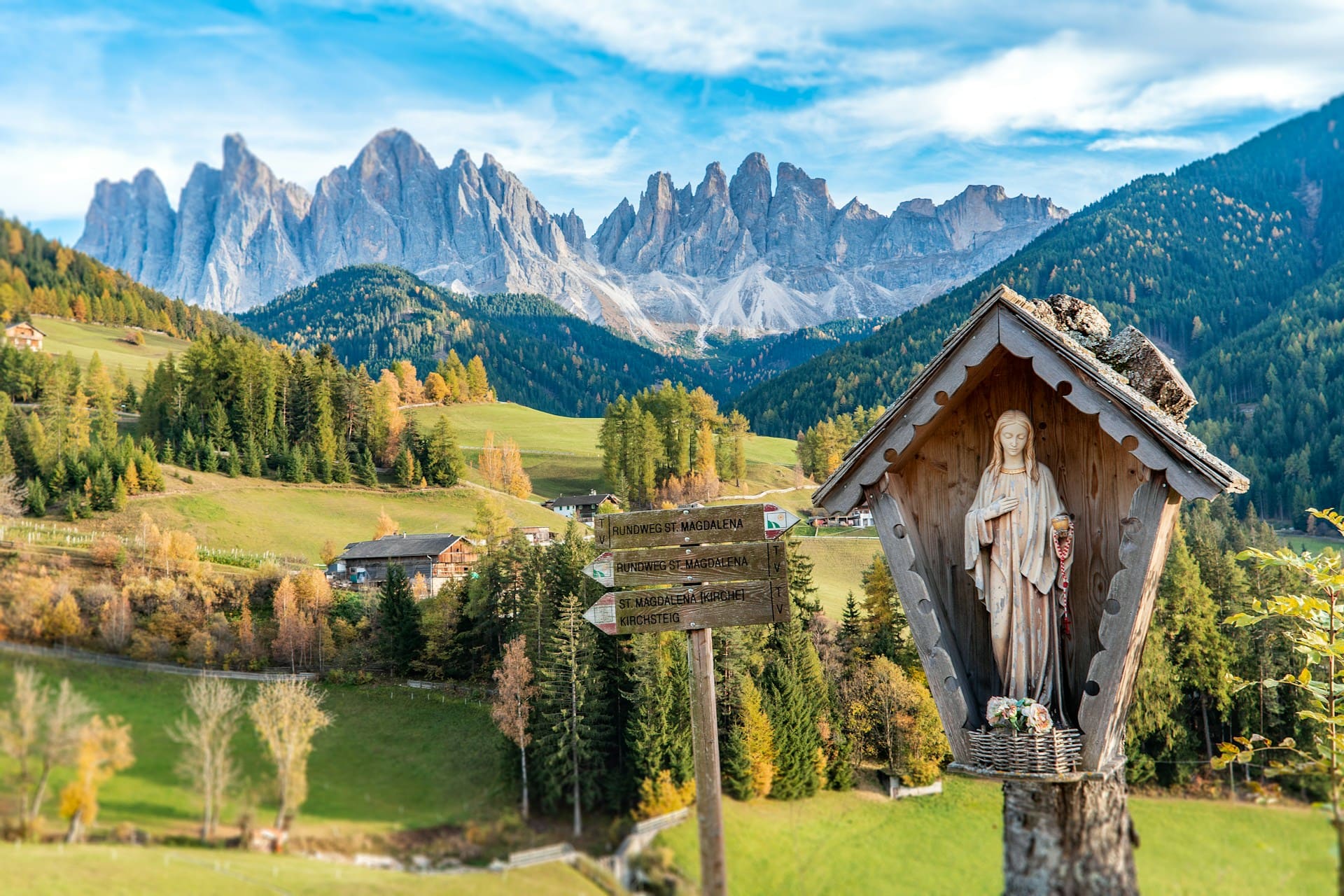
Nestled at the foot of the dramatic Odle (Geisler) peaks, Val di Funes is a peaceful rural haven of rare beauty, perfect for hikers and photographers. Its meadows are home to two iconic churches: Santa Maddalena and the small Church of St. John in Ranui (often viewed from a distance, as direct access is restricted to preserve the site). It’s a magical place for easy walks with breathtaking Dolomite views.
2. Cortina d’Ampezzo (Milan-Cortina)
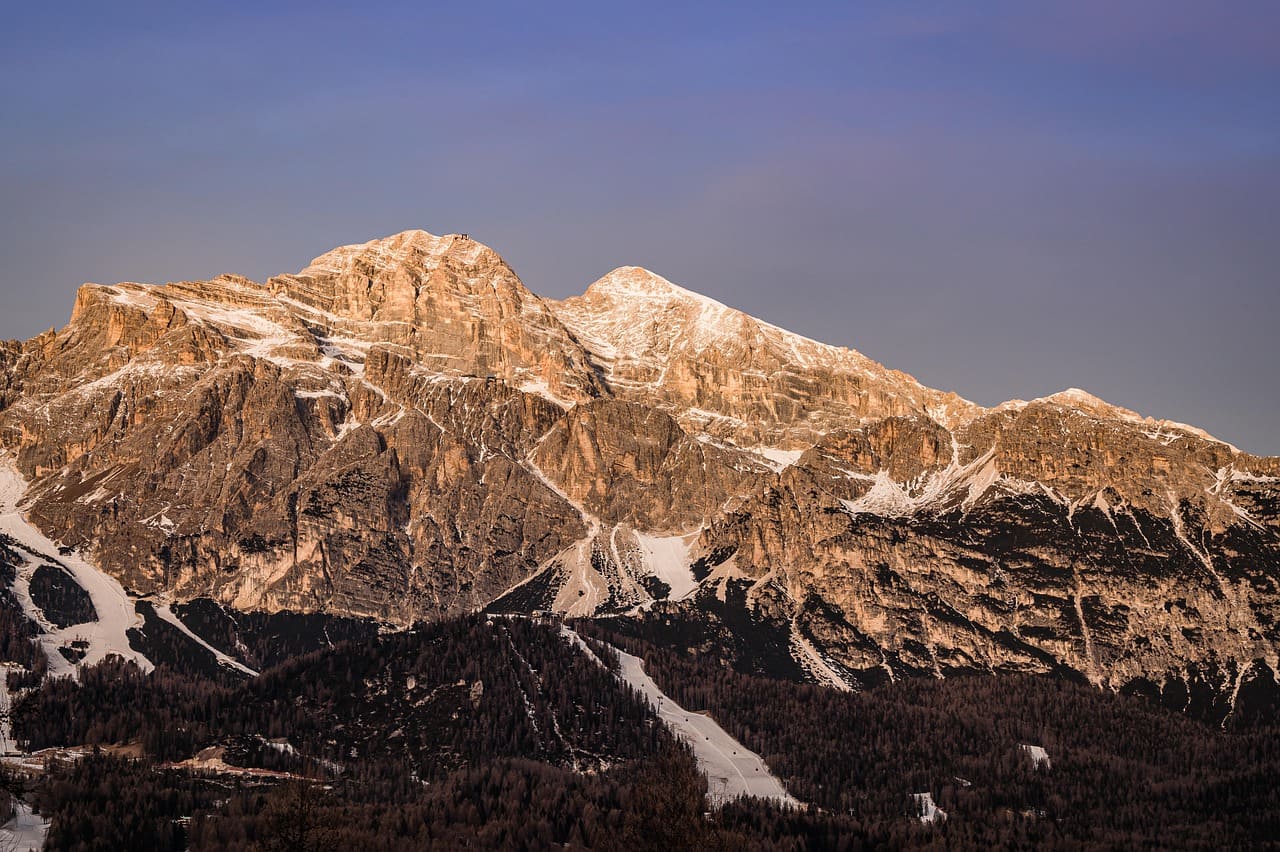
Nicknamed the “Queen of the Dolomites,” Cortina d’Ampezzo sits at 1,210 meters above sea level and is an elegant resort known for its slopes and stunning panoramas. After hosting the 1956 Winter Olympics, it also featured in the Milan-Cortina 2026 Games, reinforcing its status as a must-visit Alpine destination. In summer, it’s an excellent base for exploring the surrounding mountains.
3. Lake Braies and Tre Cime di Lavaredo
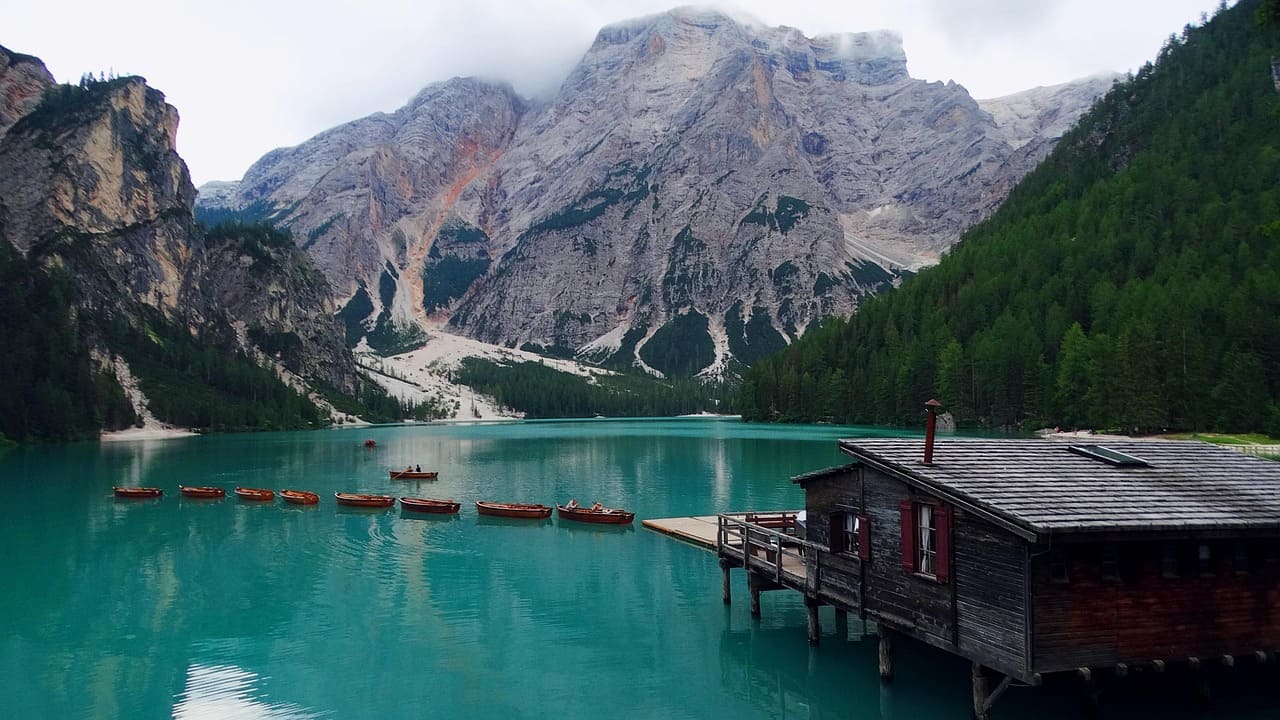
Lake Braies, an emerald gem in the Fanes-Senes-Braies Nature Park, is surrounded by towering cliffs and offers a scenic walk around its crystal-clear waters (reservations or shuttle access are often required during peak season). Nearby, the Tre Cime di Lavaredo stand as the ultimate icons of the Dolomites, offering spectacular hiking opportunities.
Note: In 2026, road access to the Tre Cime requires an online reservation and a fee (approximately €40–65 depending on the vehicle).
In the heart of the Dolomites: where to park between Alpine peaks
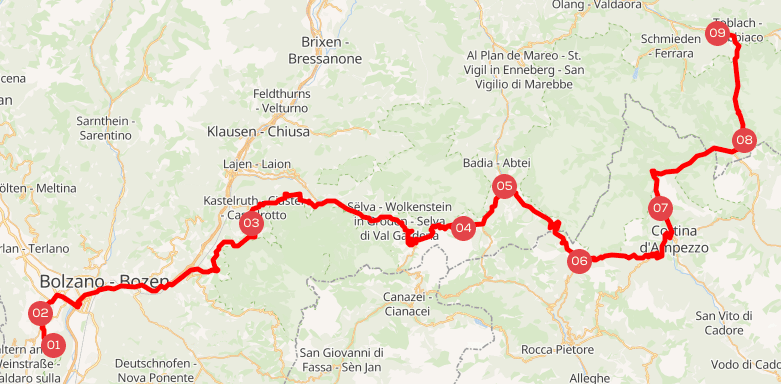
Here are our recommended base stops, in order, with free parking options between each stage:
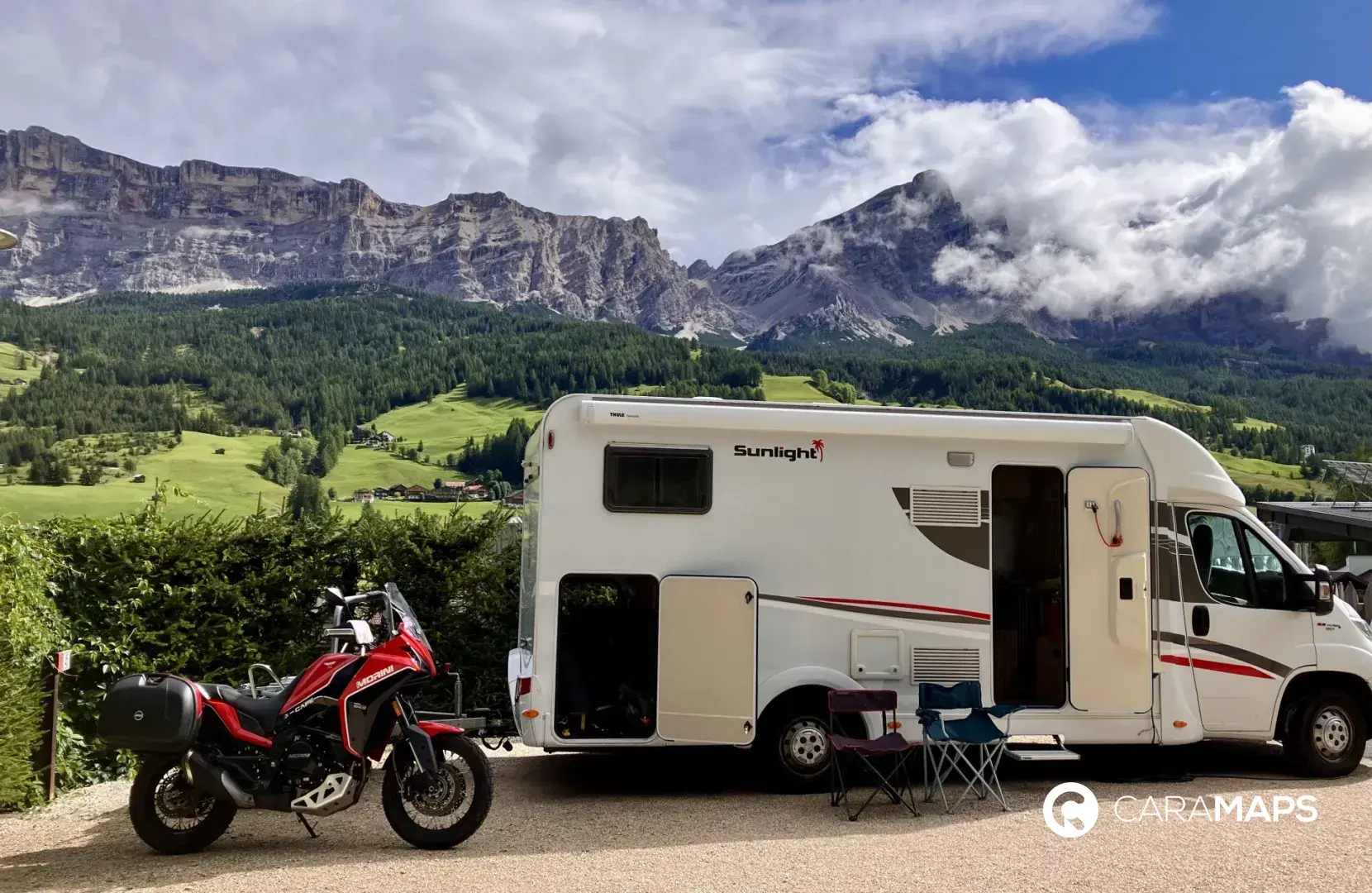
- Campsite : Montiggl 📍
- Service area : Ciasa Odlina 📍
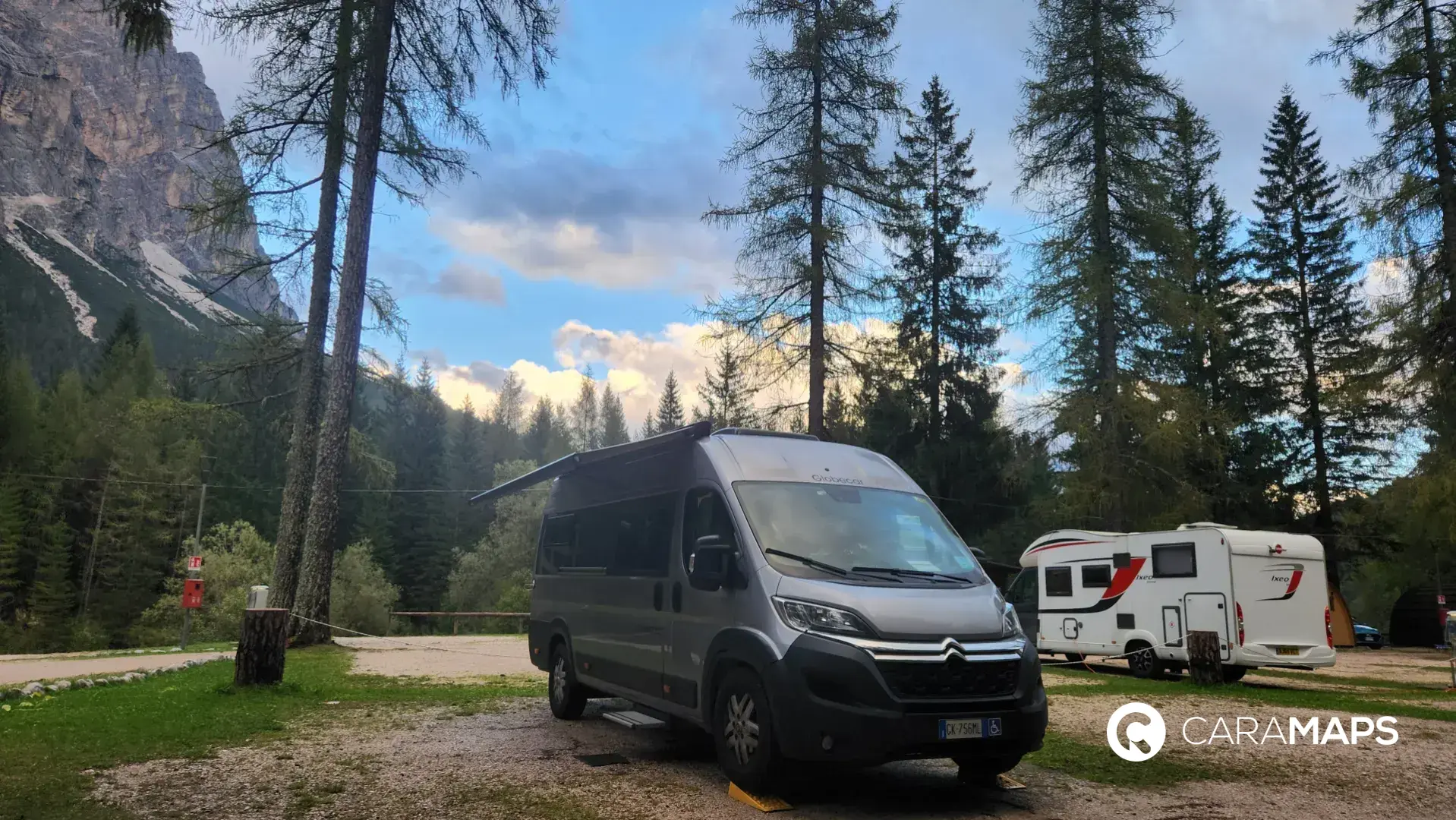
- Campsite : International Camping Olympia 📍
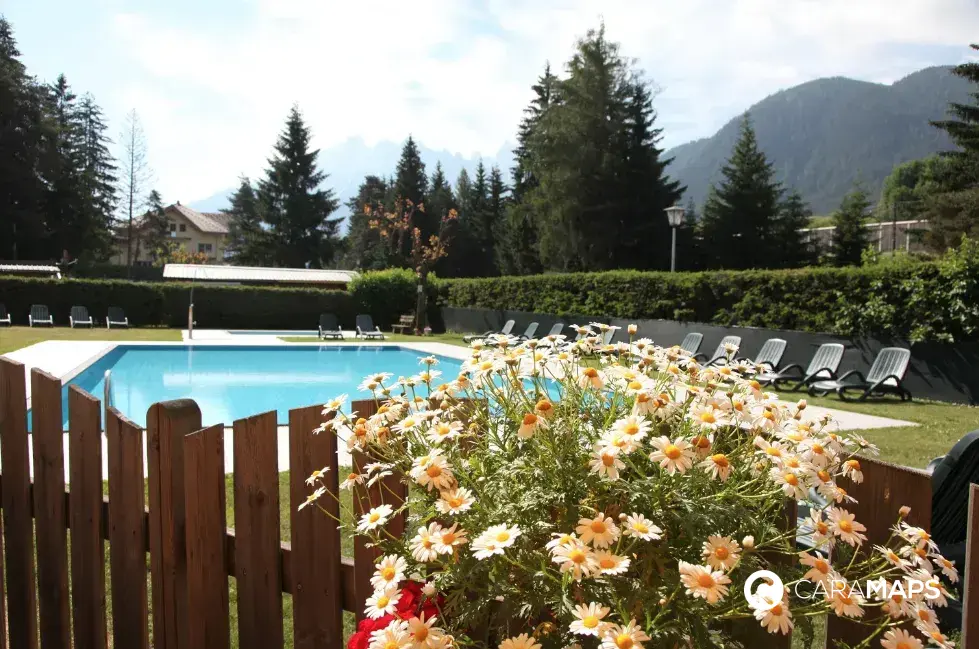
- Campsite : Olympia 📍
The elegance of the Lombardy lakes: villas, gardens, and turquoise waters
Experience the Italian art of living along Northern Italy’s most beautiful lakes with this smooth east-to-west itinerary. From medieval peninsulas and preserved islands to hilltop towns and lush shores, this route captures the refinement and tranquility of Italy’s lake landscapes.
Perfect for families and couples seeking romance, it combines ferry rides, historic gardens, and elegant atmospheres. When traveling by motorhome, opt for parking areas on the outskirts and use boats to avoid ZTL zones and fully enjoy the lakeside scenery.
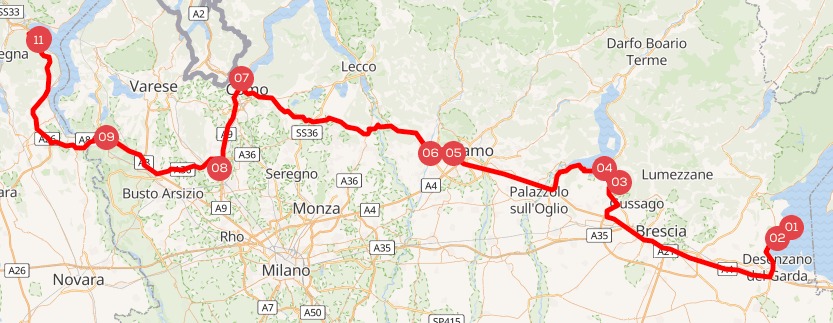
1. Sirmione (Lake Garda)
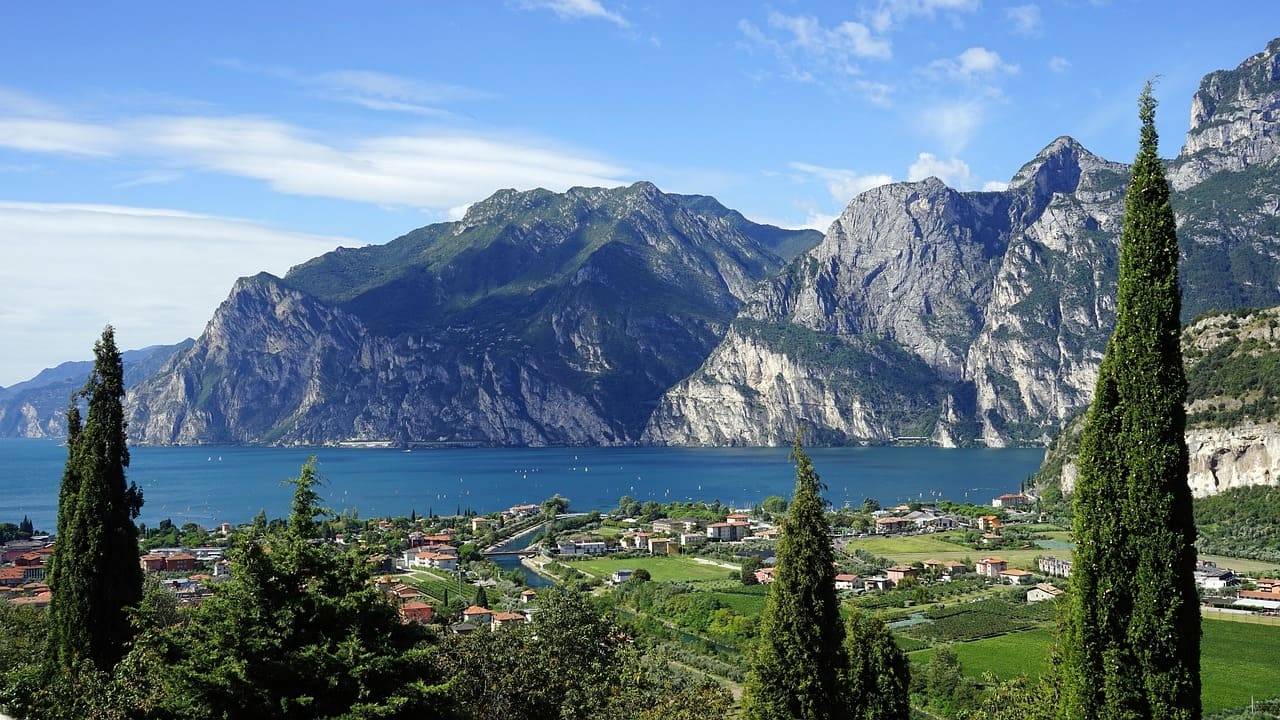
Located on a narrow peninsula on Italy’s largest lake, Sirmione is a charming medieval town dominated by its Scaliger Castle and known for its thermal springs. With its deep blue waters, lush vegetation, and proximity to Gardaland, it’s an ideal stop for families. Stay outside the historic center to avoid the ZTL.
2. Lake Iseo
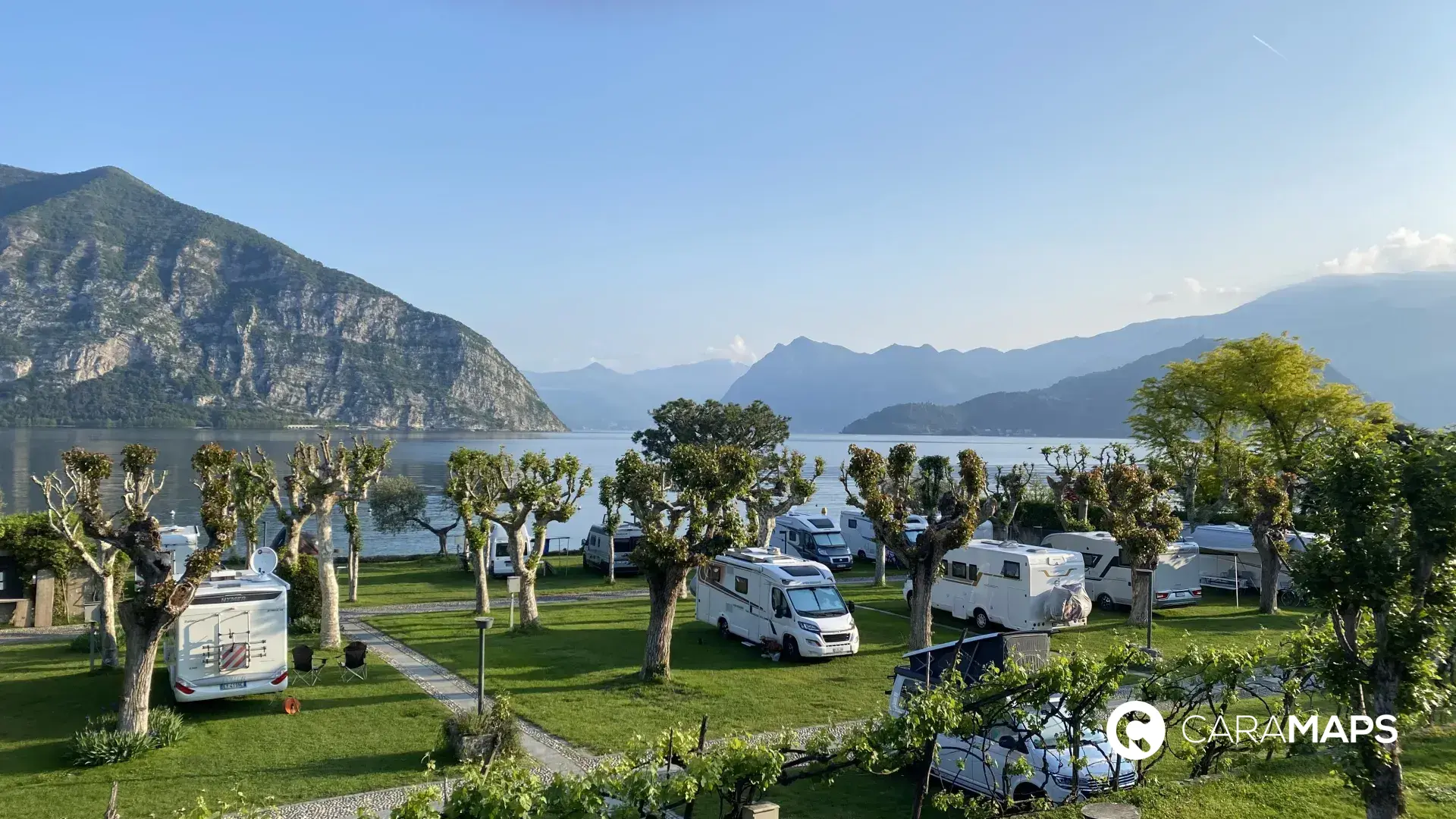
More discreet than its neighbors, Lake Iseo charms visitors with its preserved atmosphere and its main island, Monte Isola, the largest lake island in Europe, accessible only on foot or by bike. Picturesque villages like Lovere and Iseo offer peaceful surroundings and mountain reflections. It’s a relaxing stop, perfect for escaping the crowds.
3. Bergamo
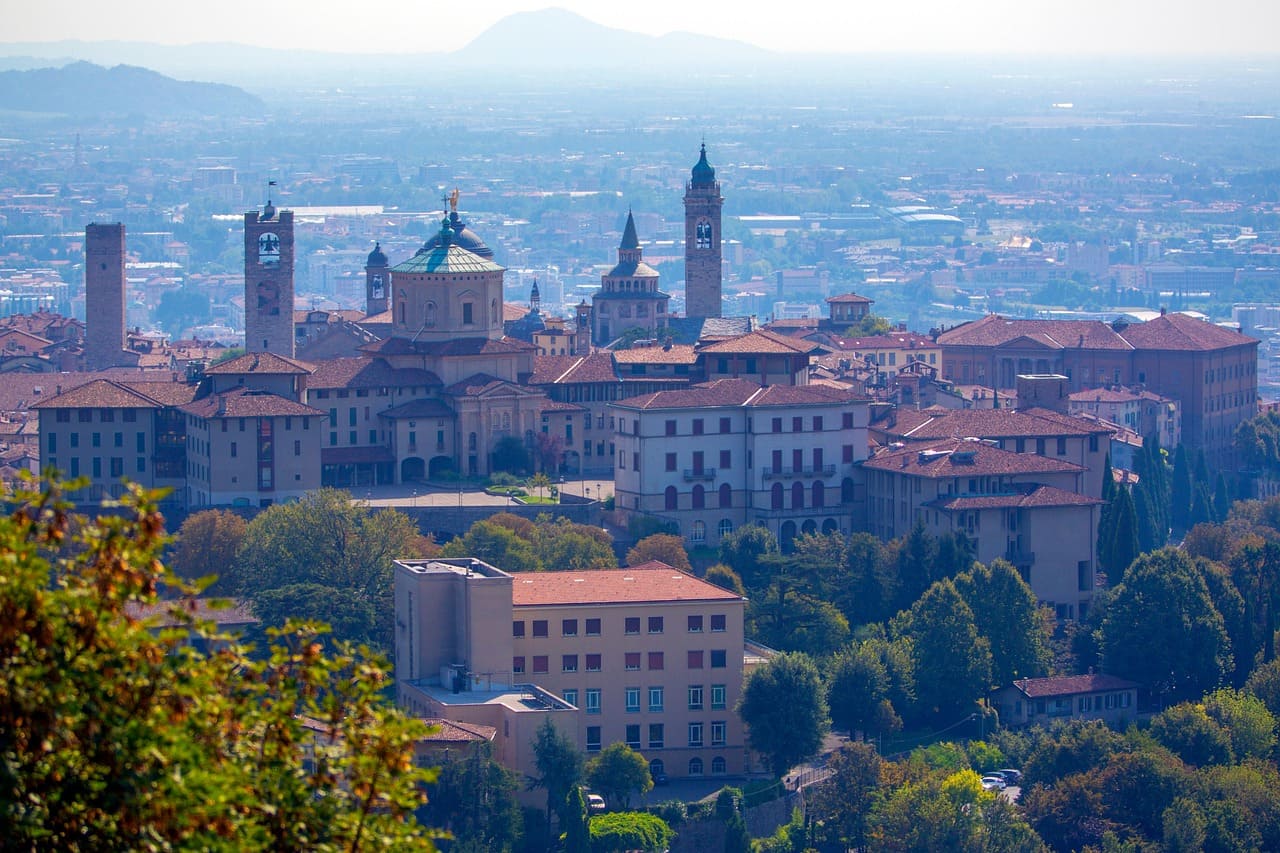
Divided between its lively lower town and the hilltop Città Alta, Bergamo is a Lombardy gem. The upper town, protected by impressive Venetian walls (built in the 16th century by the Republic of Venice and now a UNESCO World Heritage site), features a maze of cobbled streets, charming squares, and panoramic views over the Po Valley. Take the funicular for an unforgettable step back in time.
4. Lake Como
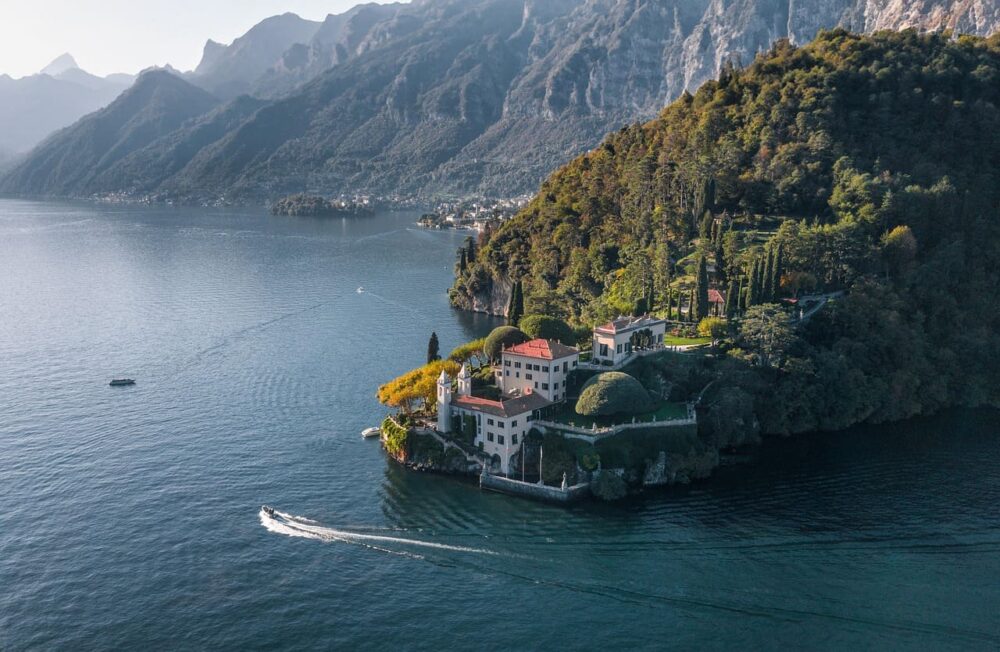
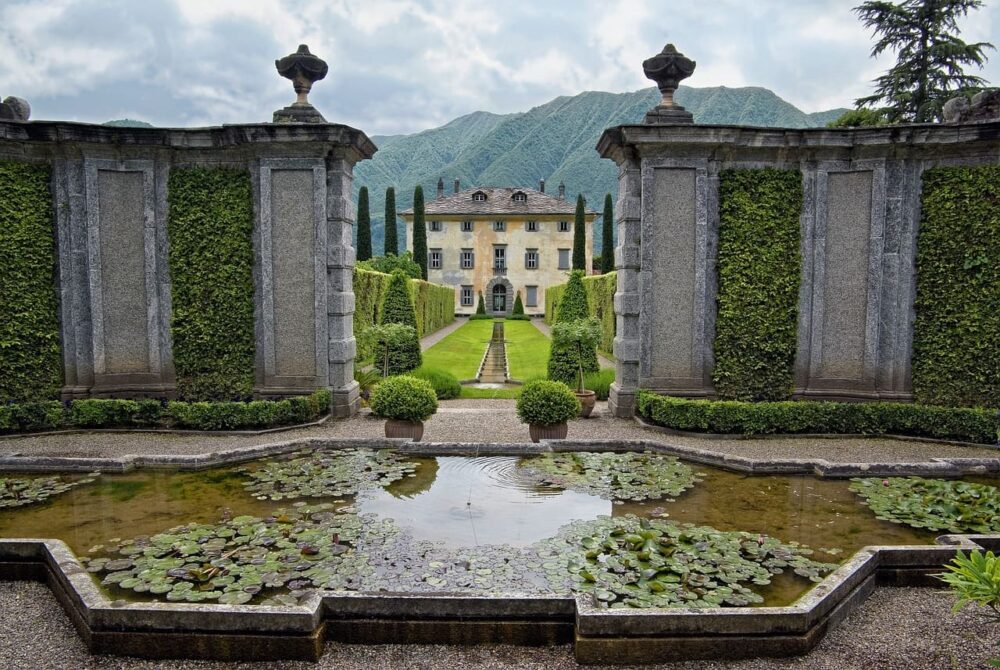
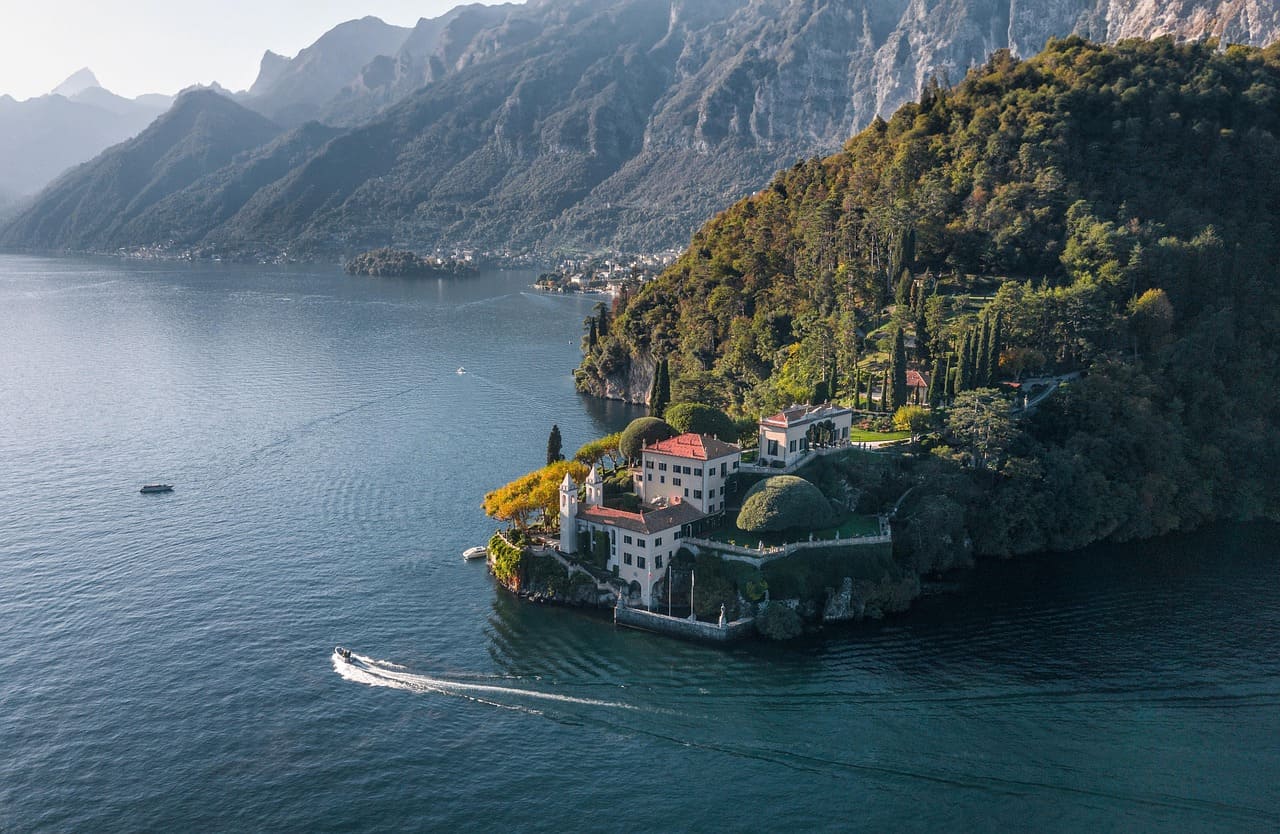
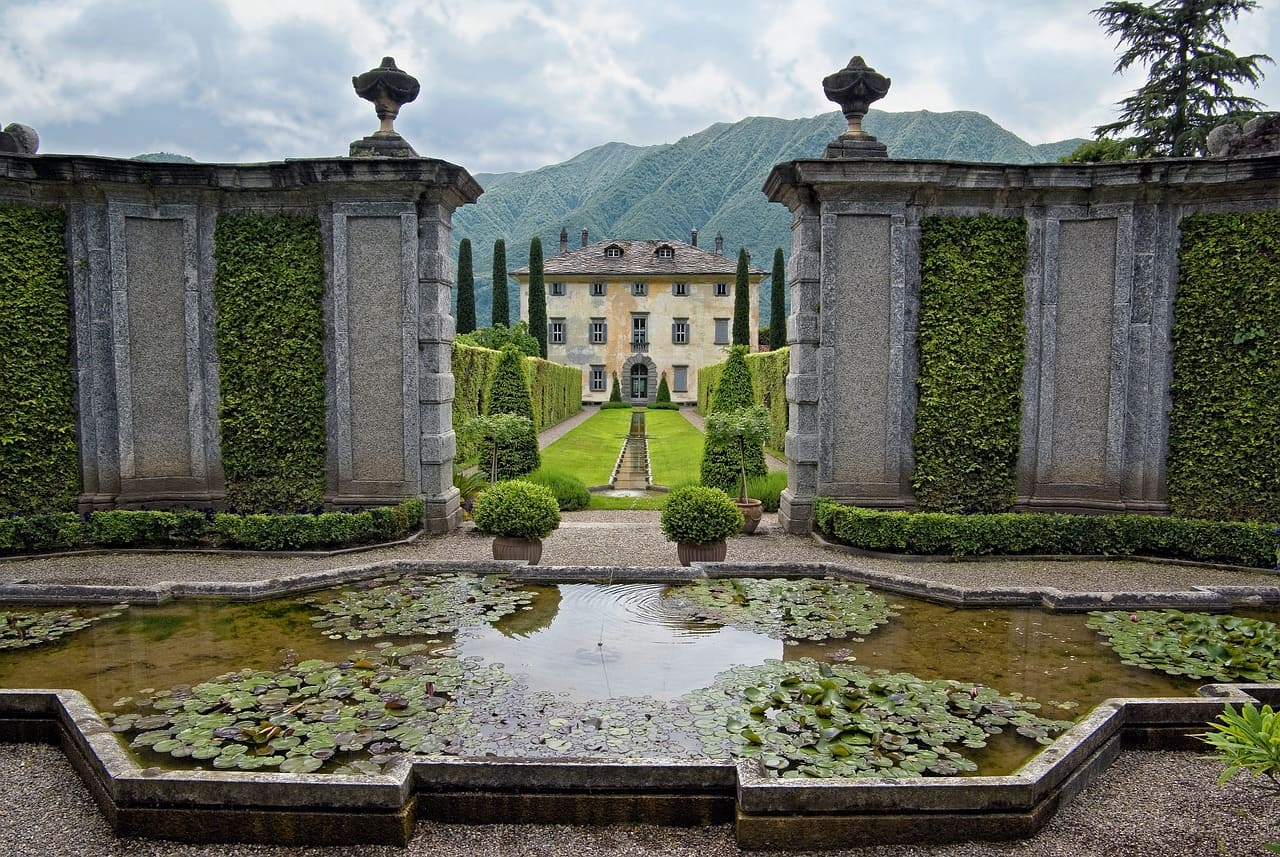
Famous for its historic villas dating from the 17th to the 19th century and its terraced gardens, Lake Como embodies Italian elegance. Villages such as Bellagio (the “pearl of the lake”) and Varenna dot its steep shores, where mountains plunge directly into deep waters. It’s an ideal destination for scenic ferry rides.
5. Lake Maggiore
This cross-border lake stretches into Switzerland, lined with forests and stately homes. From Stresa, the famous Borromean Islands (Isola Bella with its baroque palace and gardens, and Isola Madre) offer a truly enchanting experience. It’s a refined stop, perfect for cruises and exploring exotic gardens.
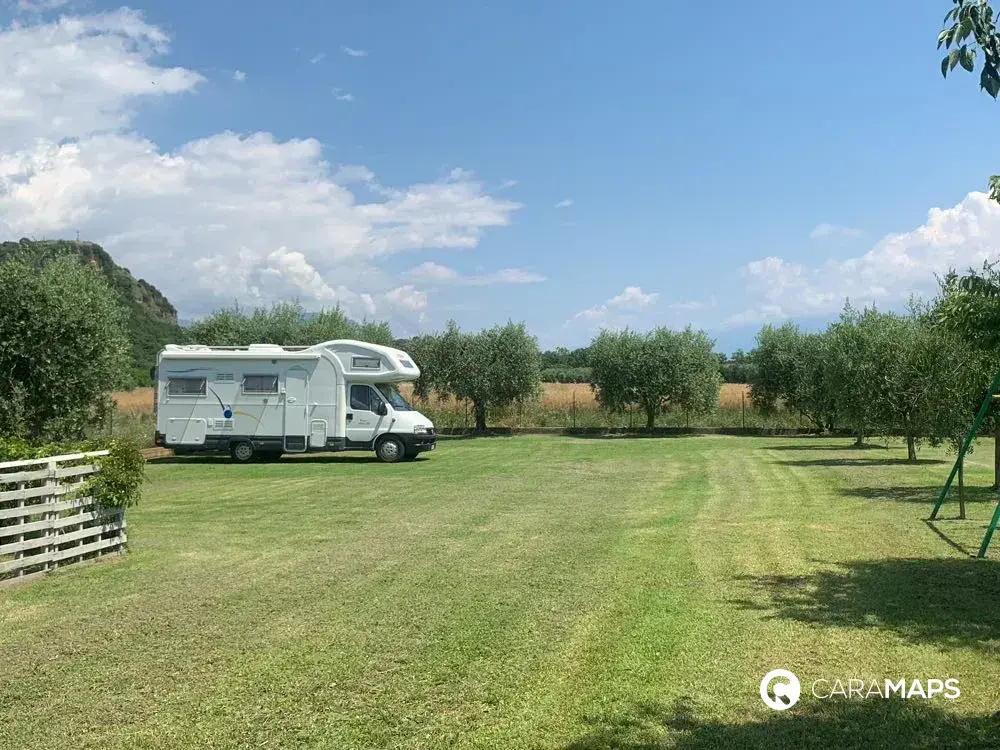
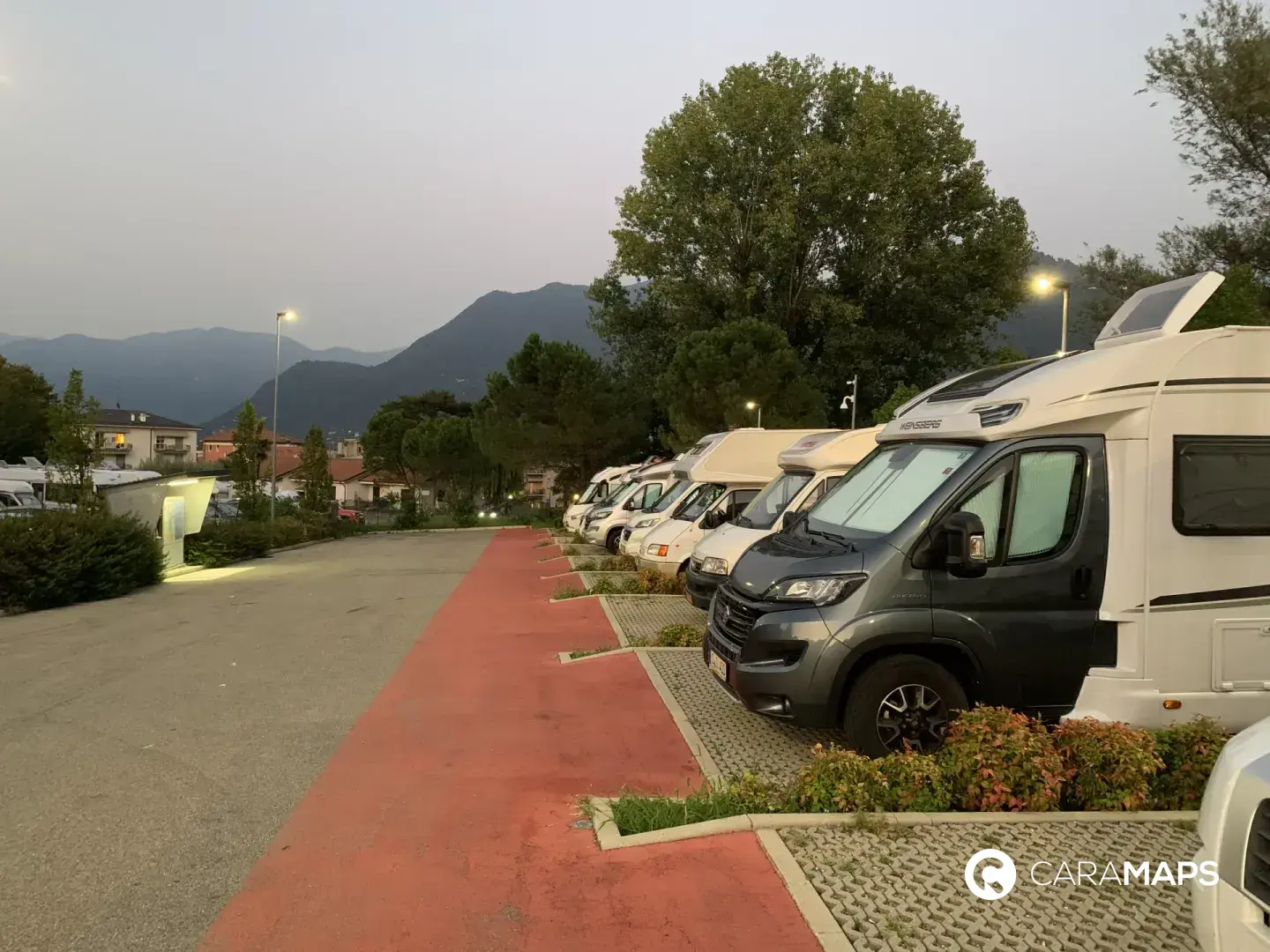
Stopovers by the water: CaraMaps locations around Northern Italy’s lakes
A gourmet and cultural itinerary: culinary delights and architectural treasures
Set off to discover Italy’s rich culinary and historical heritage across the fertile plains of Emilia-Romagna and Lombardy. This itinerary combines remarkable architecture with generous food traditions.
It’s an ideal route for food lovers and history enthusiasts, where each stop reveals an authentic side of the Italian dolce vita. The roads are smooth and distances short, making it especially comfortable for motorhome travel. Always park on the outskirts of city centers to avoid ZTL zones and fully enjoy local markets.
1. Milan
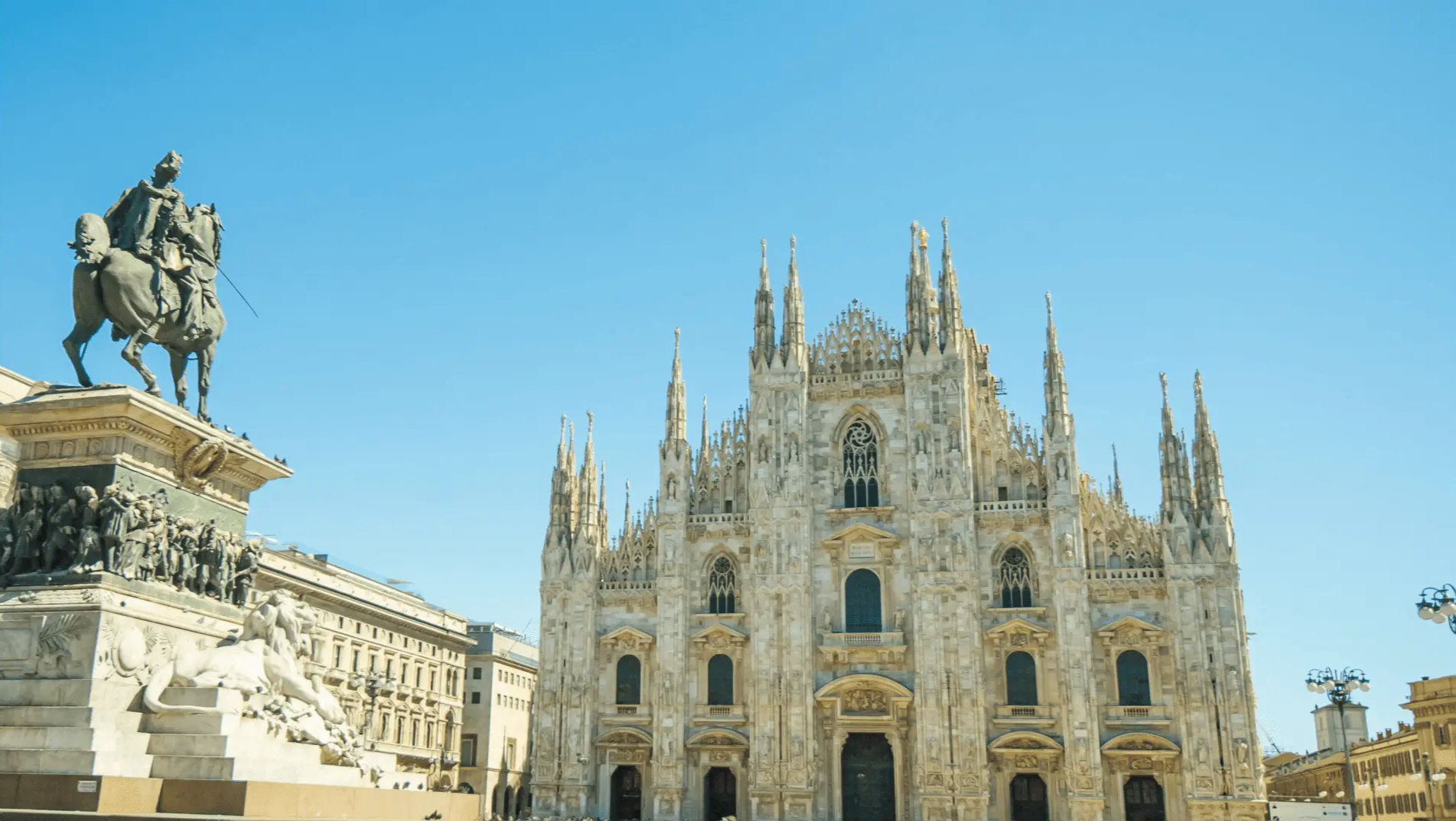
A global capital of fashion and design, Milan impresses with its heritage: the Duomo (one of the largest Gothic cathedrals in the world), Sforza Castle, and Leonardo da Vinci’s Last Supper.
For motorhome travelers, it’s best to park outside the city (check Area B and ZTL zones) and reach the center by public transport.
2. Parma
An elegant and gourmet city, Parma is world-renowned for its prosciutto, Parmesan cheese, and traditional balsamic vinegar. Its baroque architecture, theaters, and musical heritage make it a refined stop.
Every September, the city hosts the Salone del Camper, a major event for road trip and motorhome enthusiasts.
3. Bologna
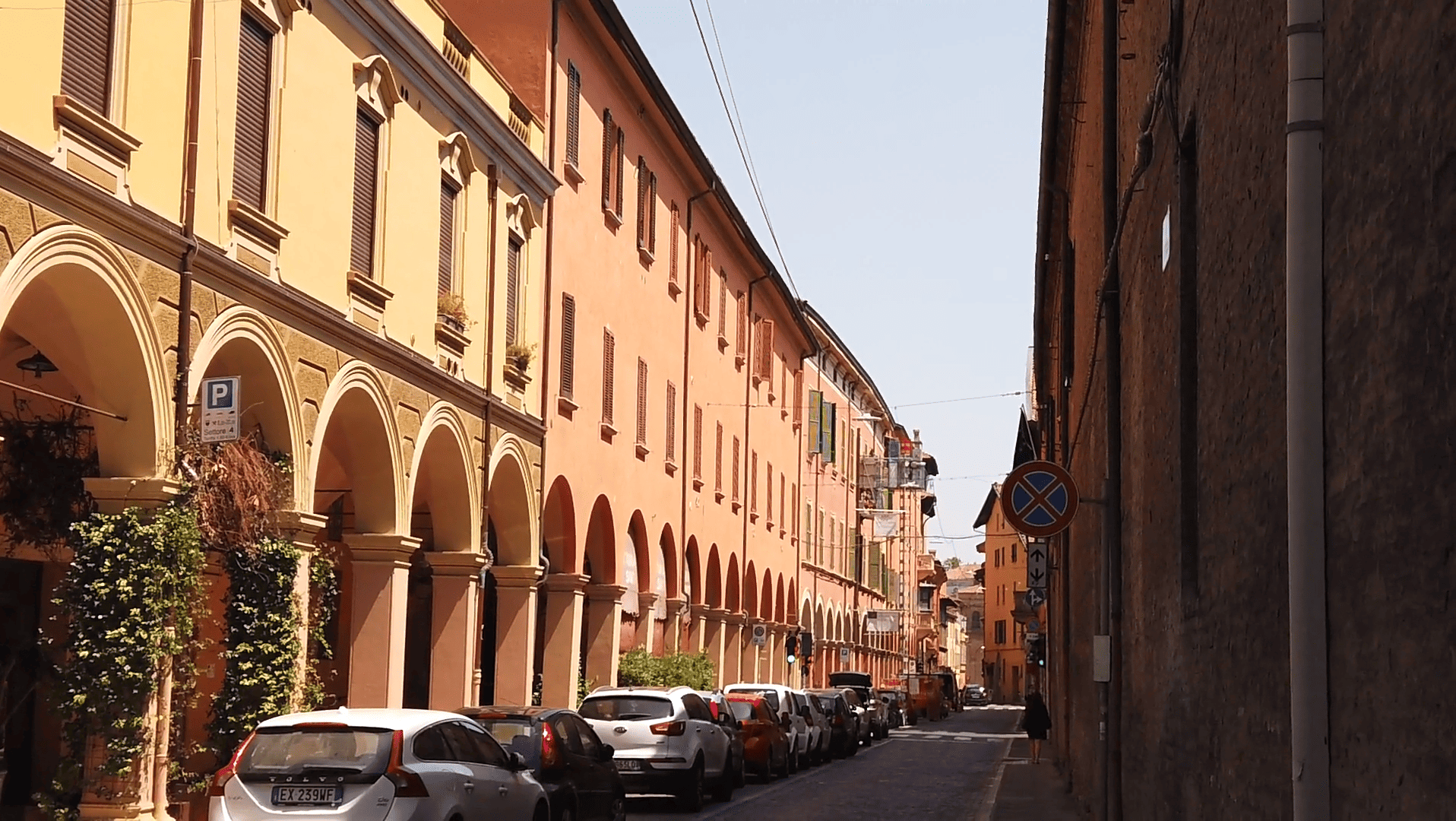
Nicknamed “La Dotta” (the “Learned”) for its ancient university, the oldest in Western Europe, and “La Grassa” (the “Fat”) for its rich cuisine (tagliatelle al ragù, tortellini), Bologna charms visitors with its medieval towers, endless porticoes, and vibrant Piazza Maggiore. It’s a warm, welcoming city, perfect for food lovers.
4. Ferrara
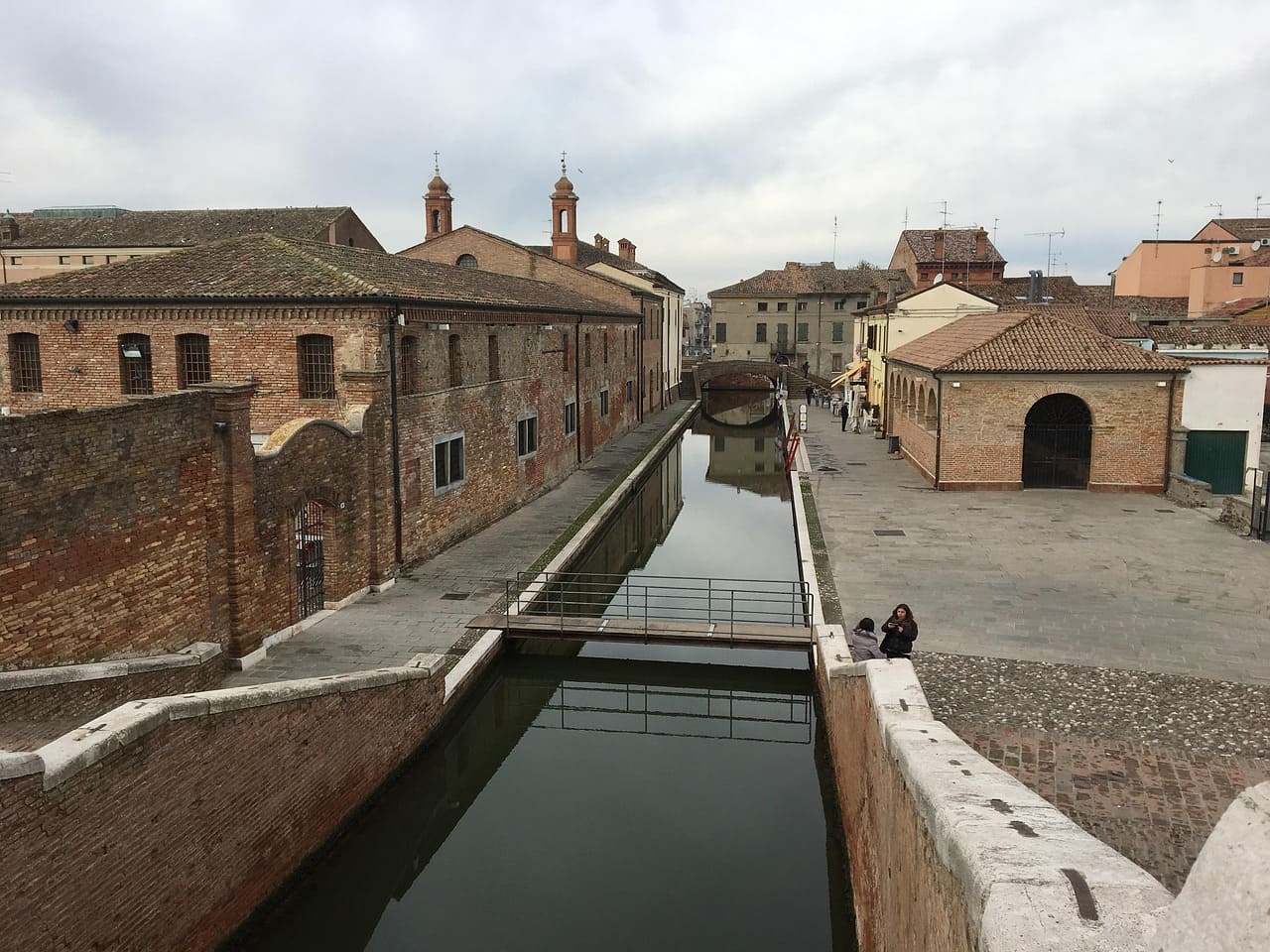
A UNESCO World Heritage Site, Ferrara is a Renaissance city surrounded by remarkably well-preserved medieval walls. The Este Castle and its palaces can be easily explored on foot or by bike in a calm, aristocratic atmosphere. It’s one of the most peaceful stops in Northern Italy’s plains.
Art and flavors: CaraMaps stops across the fertile plains
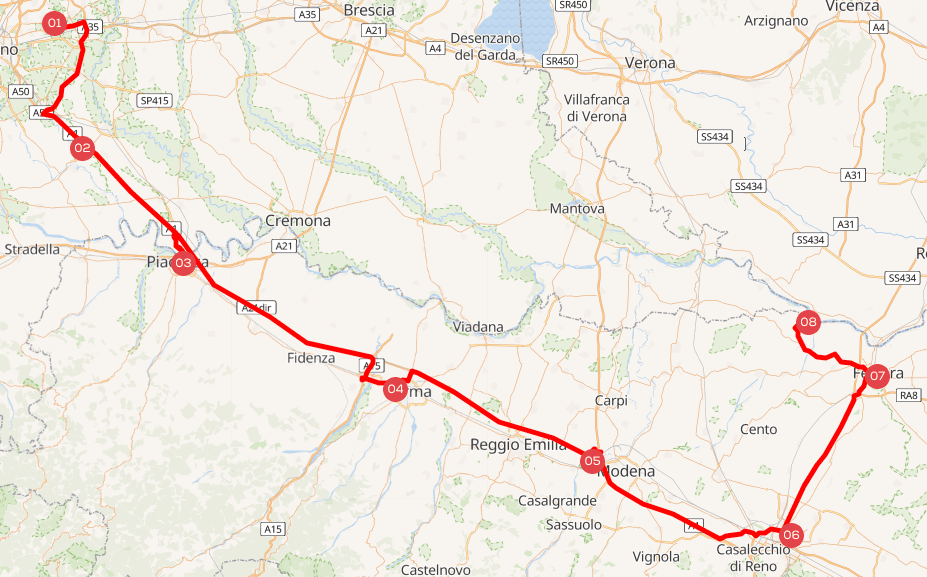
- Service area: Camper Service 📍 (small free area)
- Service area: Parma 📍
- Campsite: Centro Turistico Città di Bologna 📍
- Campsite: Village Fireflies in the Fog 📍
Rugged cliffs and colorful villages of the Ligurian coast
Experience the magic of the Italian Riviera, where turquoise waters meet dramatic cliffs and perched villages. This coastal itinerary takes you from a historic port city to wild coves and picturesque UNESCO-listed hamlets.
A postcard-perfect road trip for lovers of the sea, coastal hikes, and fiery sunsets. When traveling by motorhome, this route requires a smart approach: park your vehicle strategically and use trains or ferries to explore the coastline stress-free.
1. Genoa
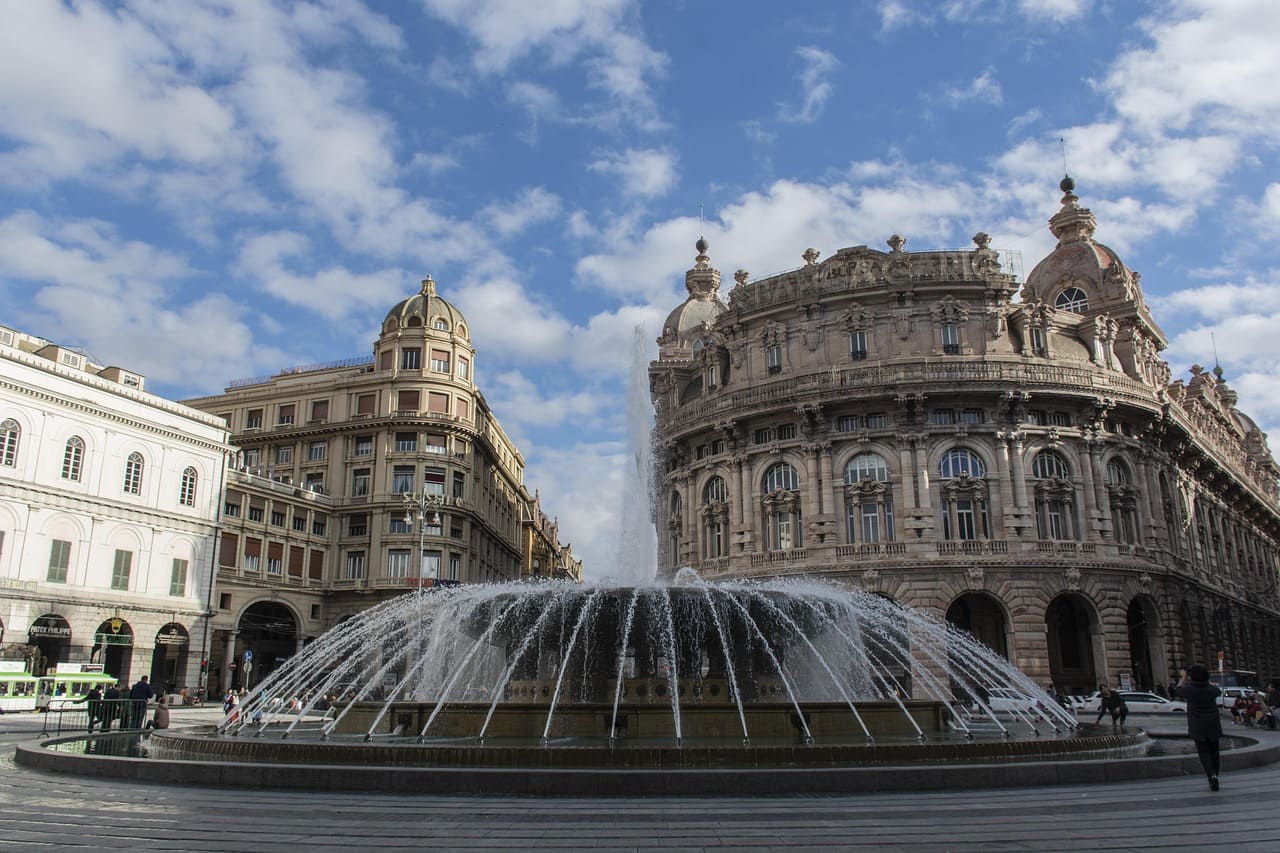
Italy’s main port and the birthplace of Christopher Columbus, Genoa impresses with its carrugi (narrow medieval alleys), 42 UNESCO-listed Renaissance palaces, and its large aquarium in the Old Port. Via Garibaldi reflects its past as a powerful maritime republic.
2. Portofino
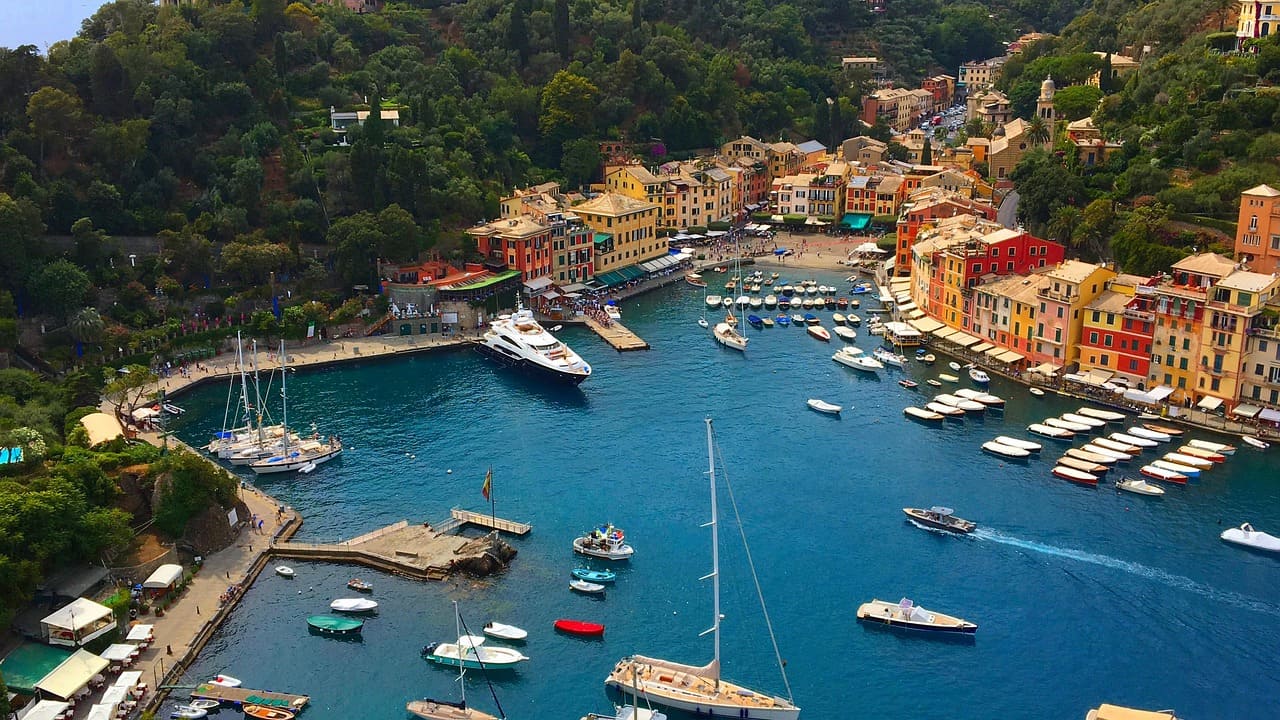
Once a fishing village and now a chic destination on the Ligurian Riviera, Portofino offers a stunning headland with breathtaking Mediterranean views. Its colorful houses and elegant harbor make it a glamorous stop. For motorhomes, park in Santa Margherita Ligure and reach it by bus or boat.
3. Levanto – Cinque Terre – La Spezia
Connected by the famous Path of Love, the five villages of the Cinque Terre are a true jewel of the Ligurian coast.
At this stage of your journey, to explore the Cinque Terre comfortably, it is strongly recommended to park in Levanto (or La Spezia) and purchase a Cinque Terre Treno Card. This pass provides access to:
- The regional train line Levanto – Cinque Terre – La Spezia
- Paid hiking trails (including the Via dell’Amore)
- The local bus network
- Free public toilets in train stations
- Discounts on certain museums in La Spezia
Prices vary depending on the season and number of days. To check rates and purchase your pass, visit the official Cinque Terre National Park website.
Levanto
A peaceful seaside town, Levanto is the ideal gateway to the Cinque Terre thanks to its large beach and well-connected train station. It’s a strategic and quieter base for exploring the coast.
The Cinque Terre
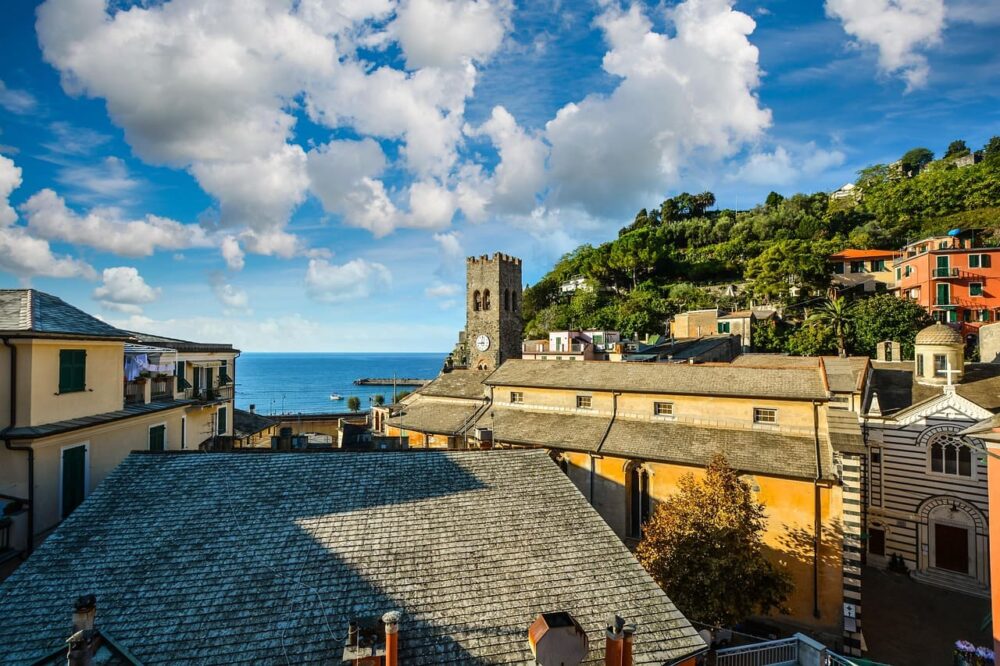
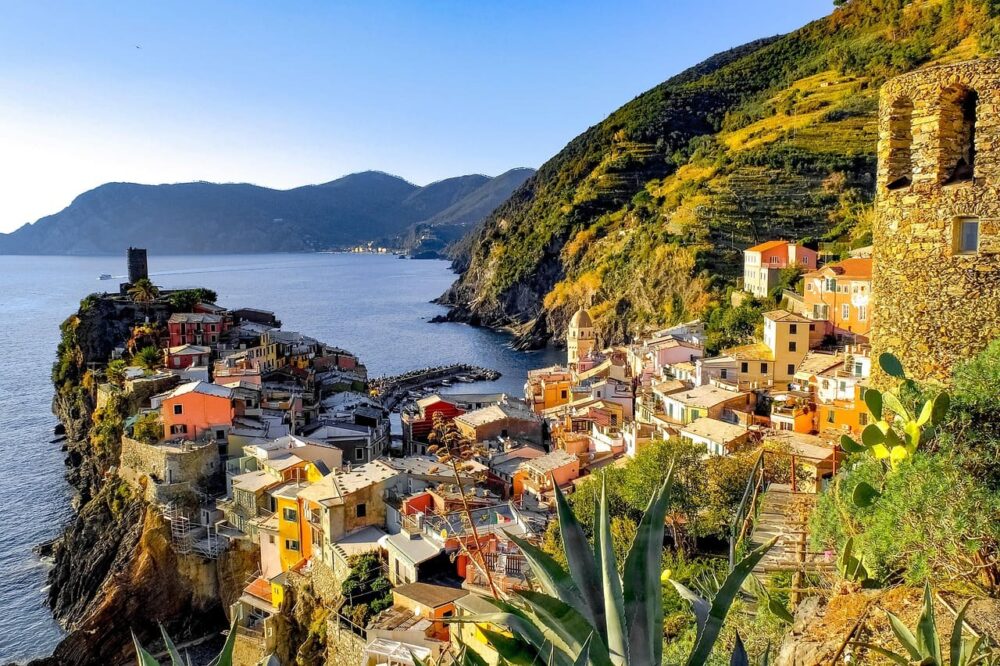
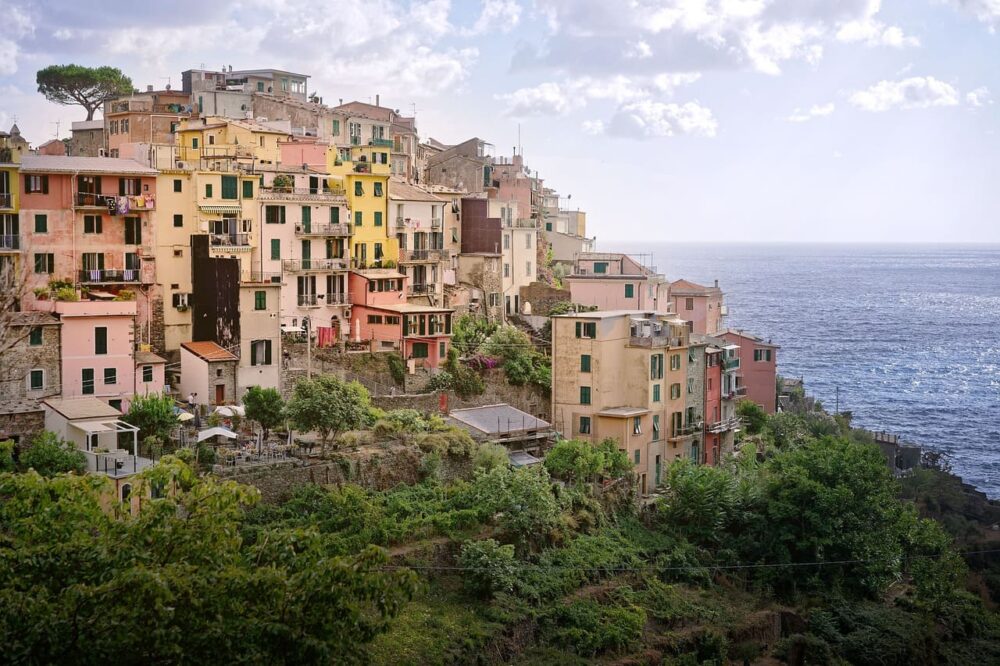
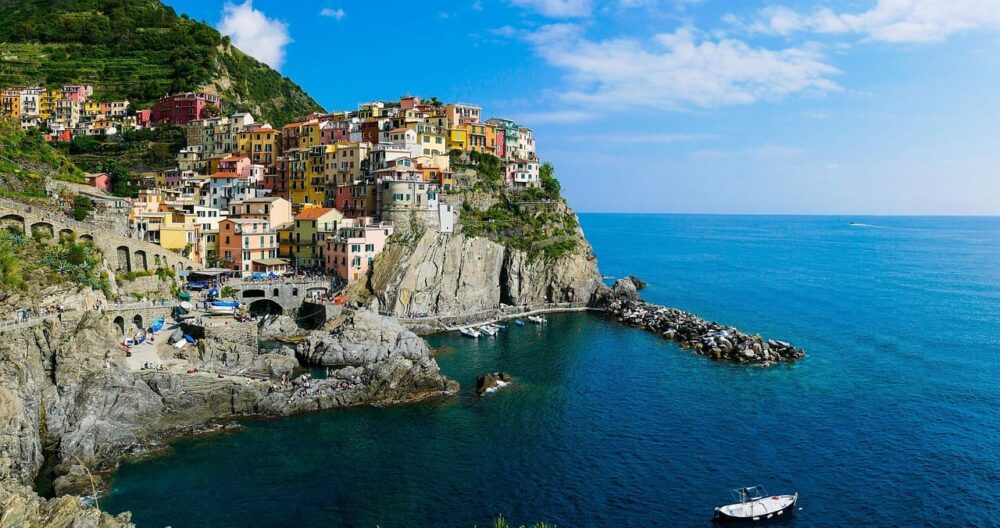
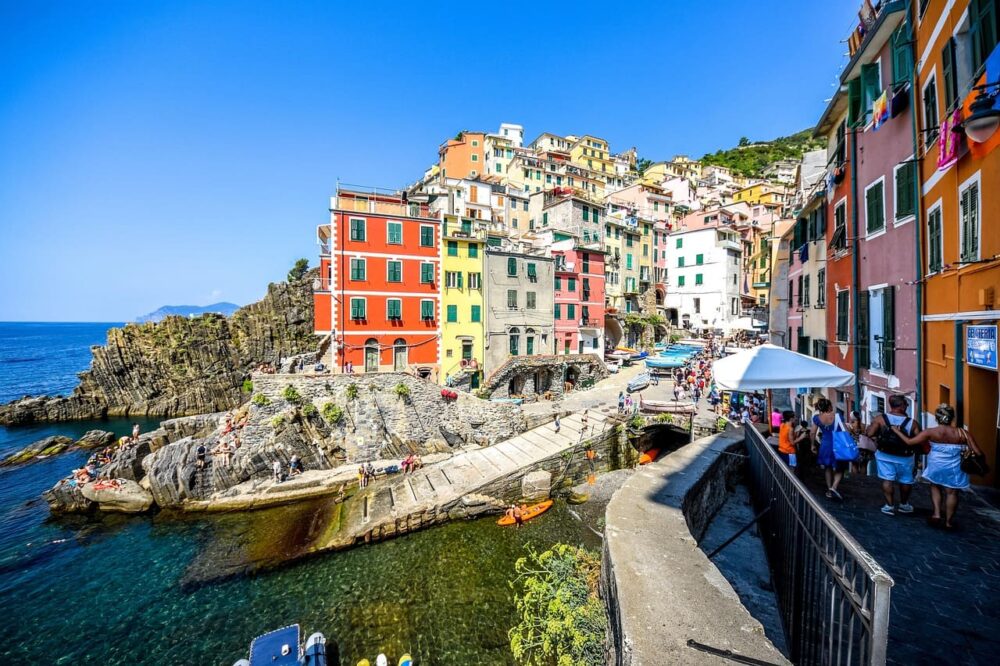
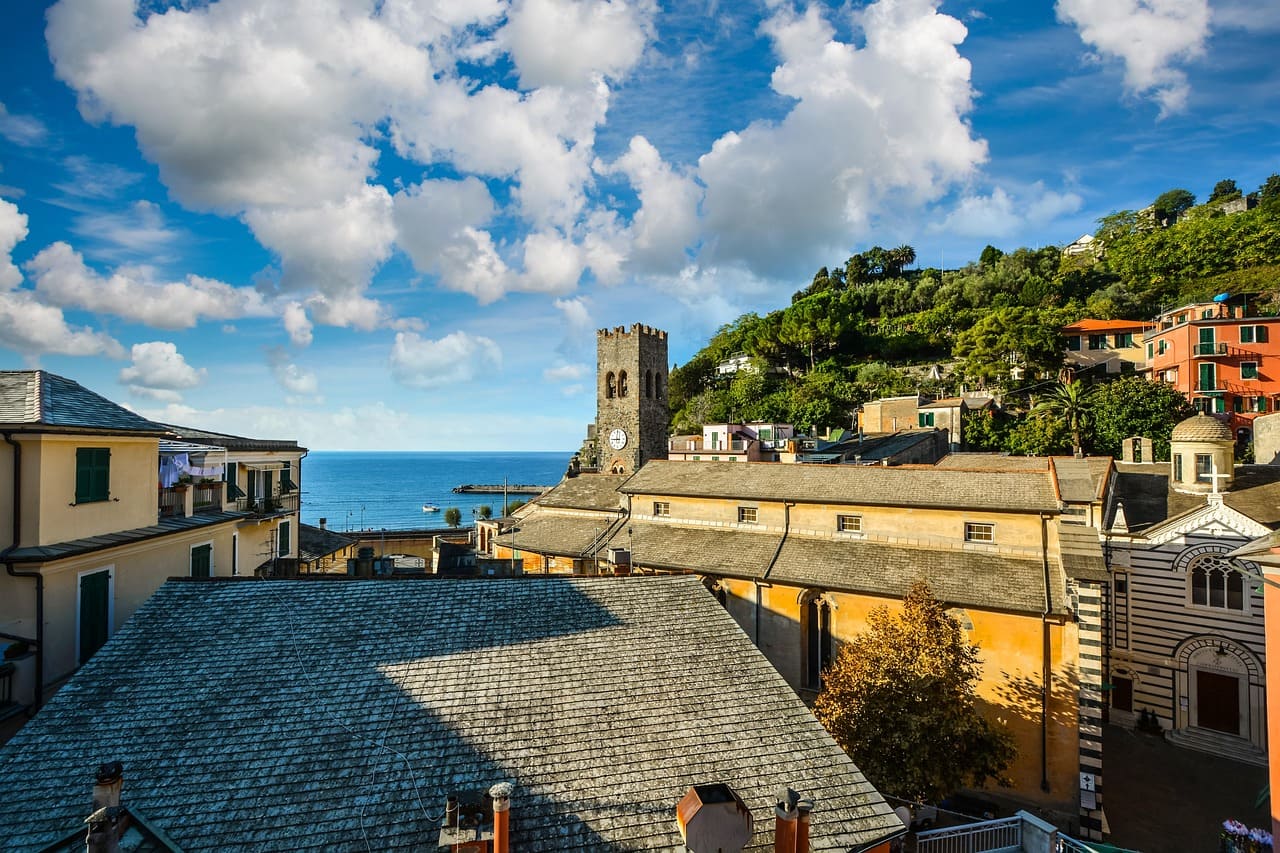
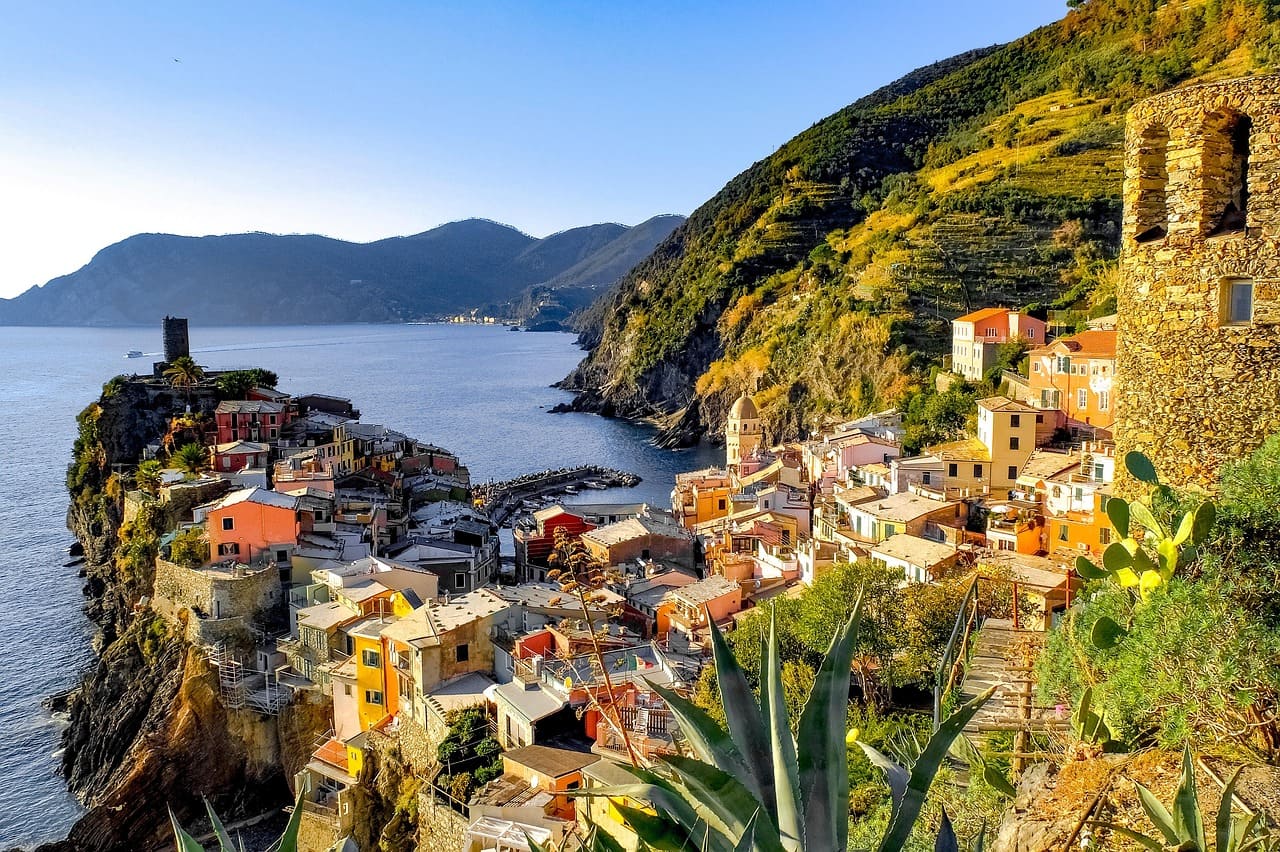
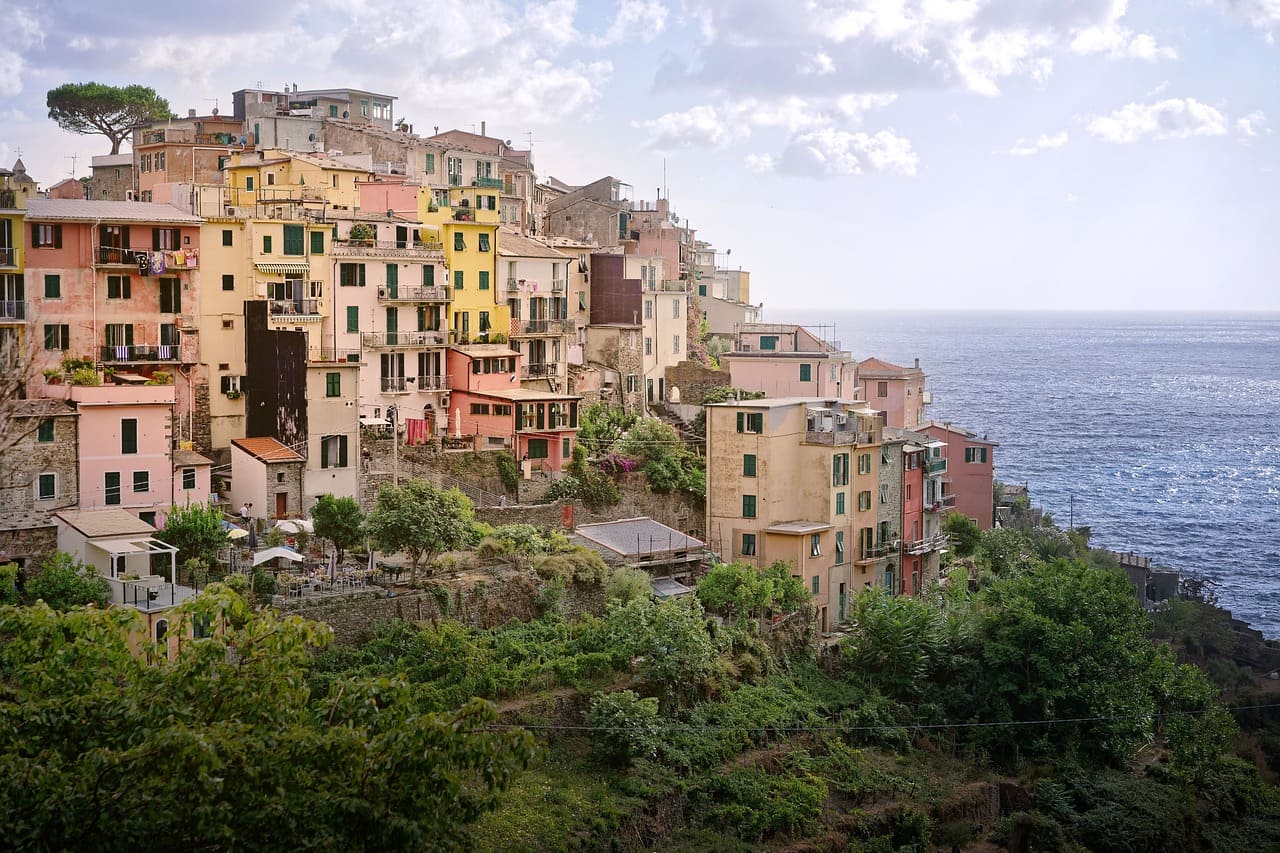
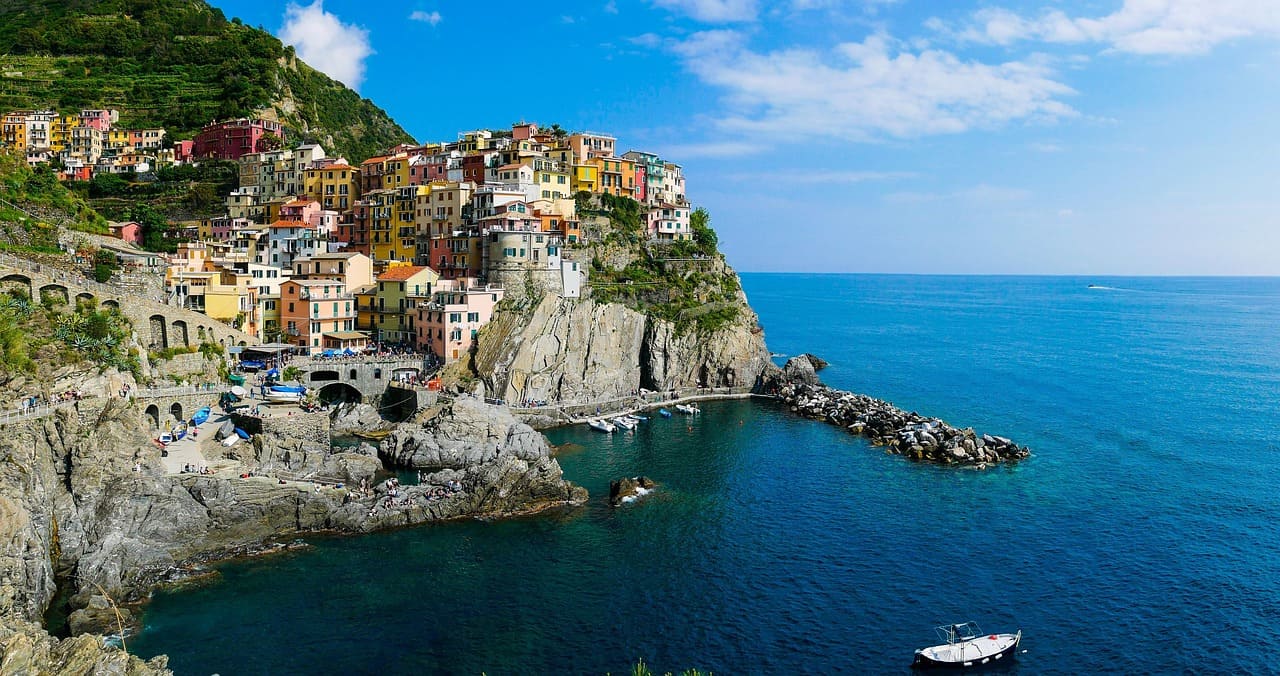
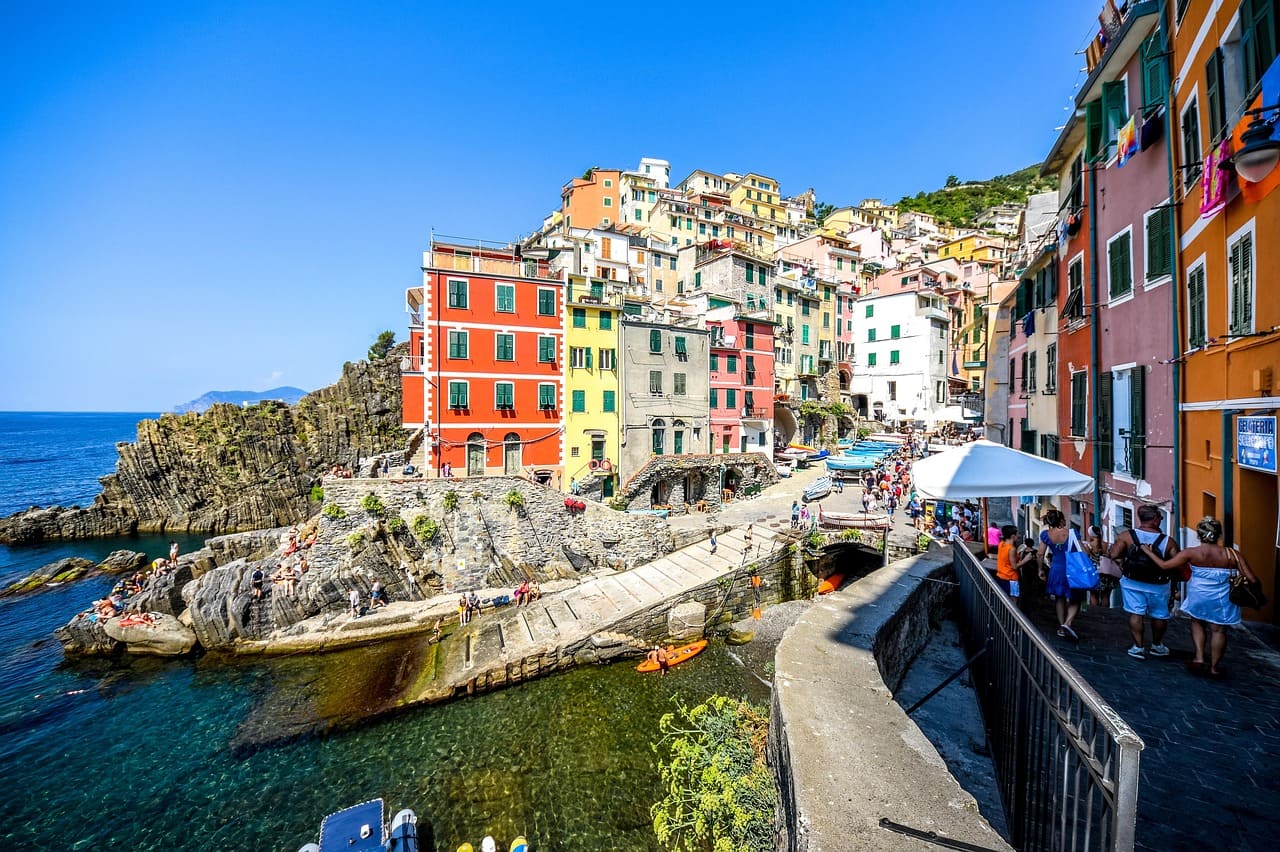
The five UNESCO-listed villages share a unique charm: colorful houses clinging to steep cliffs, terraced vineyards, and spectacular views over the Mediterranean.
Each village has its own personality:
- Monterosso is the largest and most beach-oriented, with a beautiful sandy shore and a lively atmosphere.
- Vernazza is often considered the most picturesque, centered around a charming harbor protected by medieval fortifications.
- Corniglia sits high on a cliff with no direct sea access, offering an intimate feel and stunning panoramas.
- Manarola is known for its vibrant houses rising from the rocks and marks the starting point of the famous Via dell’Amore.
- Riomaggiore, at the southern end, impresses with cascading houses leading down to the harbor and magnificent sunsets.
La Spezia
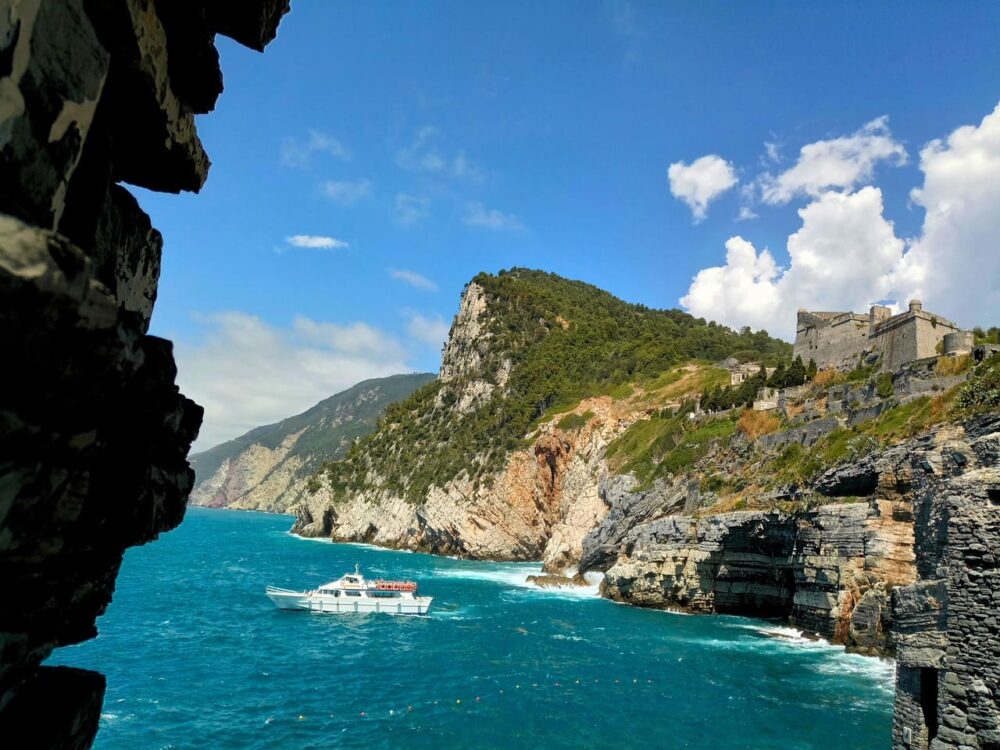
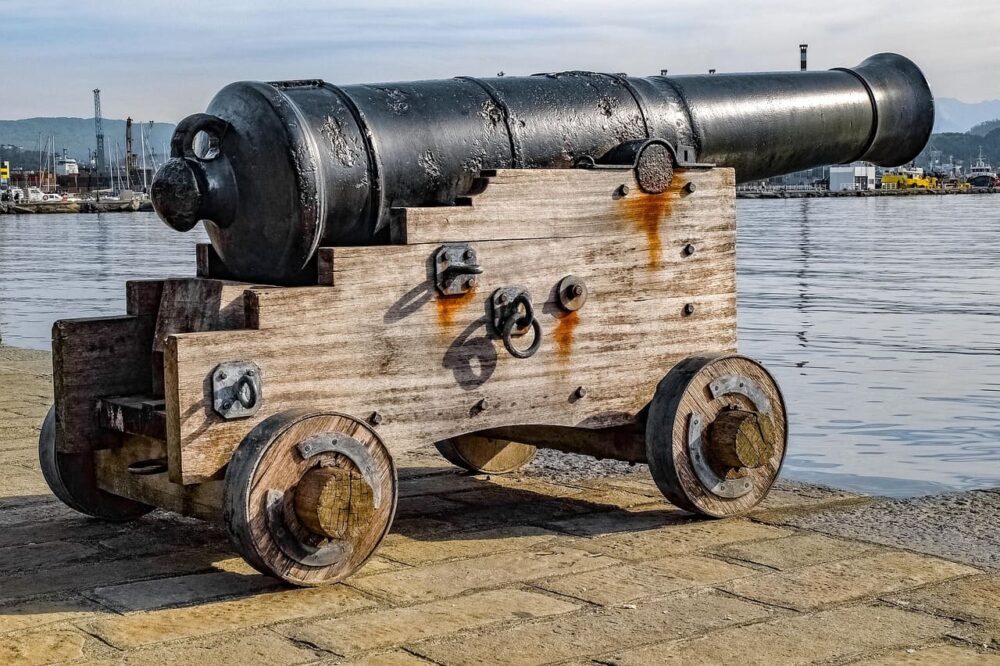
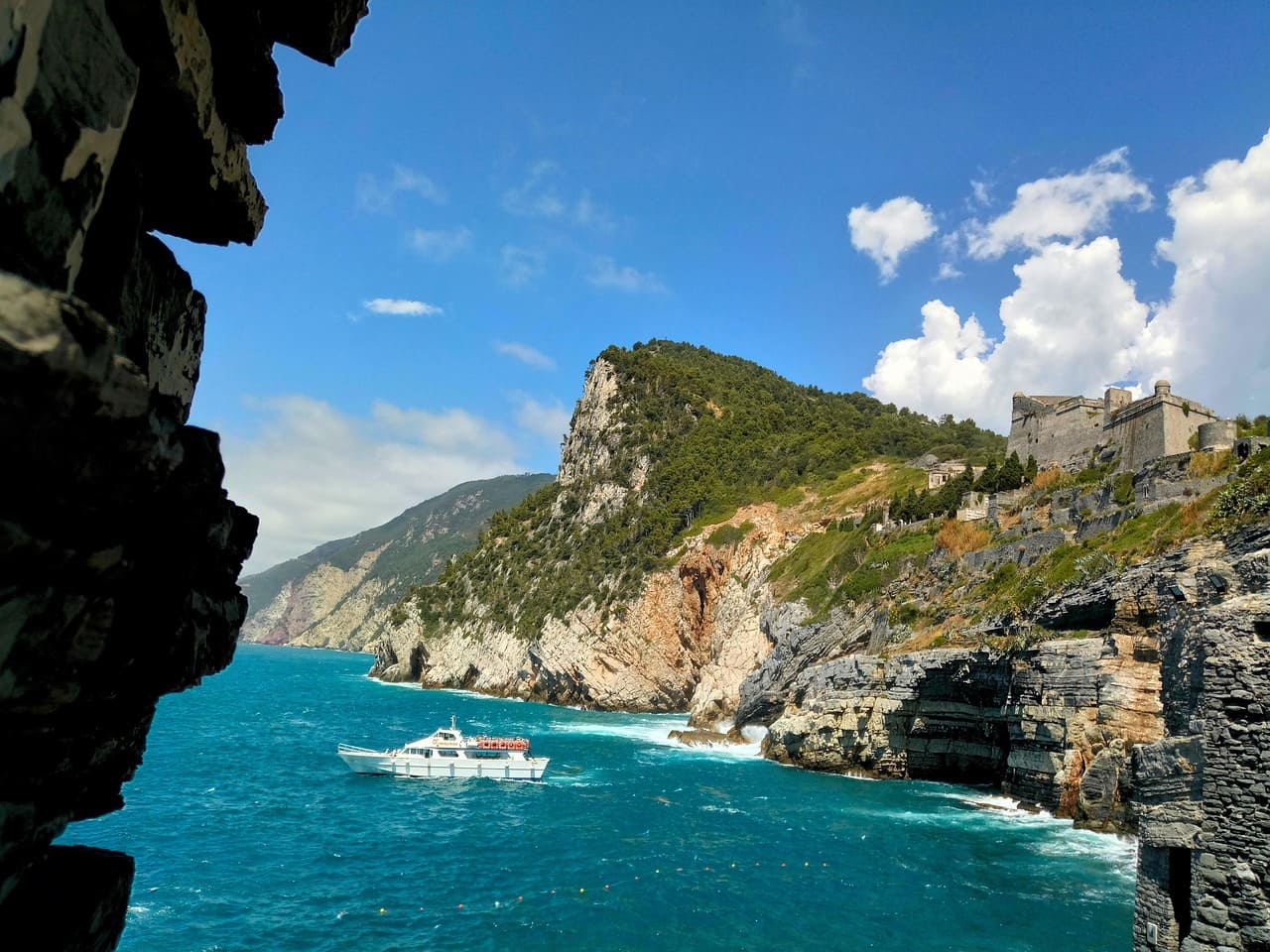
A dynamic port city, La Spezia serves as a key hub for visiting the Cinque Terre thanks to its central train station. It also has a rich naval heritage and several museums tracing local history from prehistory to the Middle Ages.
Riviera stopovers: where to park along the Ligurian coast
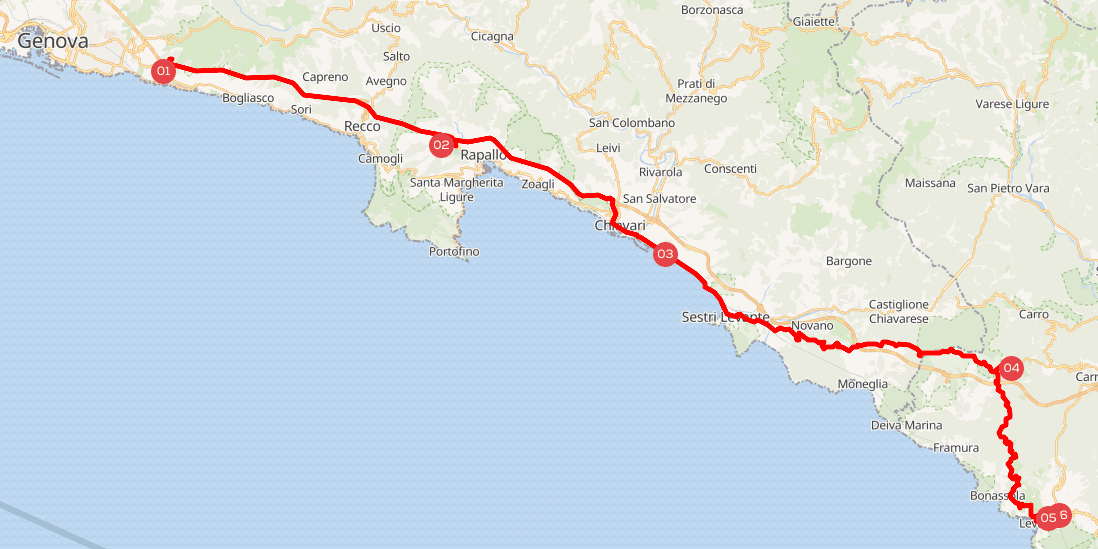
From seaside dolce vita to the timeless magic of Venice
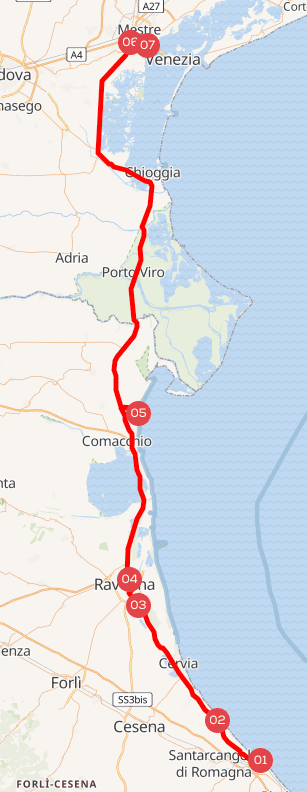
This itinerary takes you from the lively Adriatic seaside resorts to the unique and timeless atmosphere of Venice. Between long sandy beaches, Byzantine treasures, and the iconic lagoon, it offers a striking and enchanting contrast.
Perfect for combining relaxation, culture, and unique discoveries, this is one of the most accessible and easy routes for motorhome travel. Park on the mainland before heading into Venice and use water transport.
1. Rimini
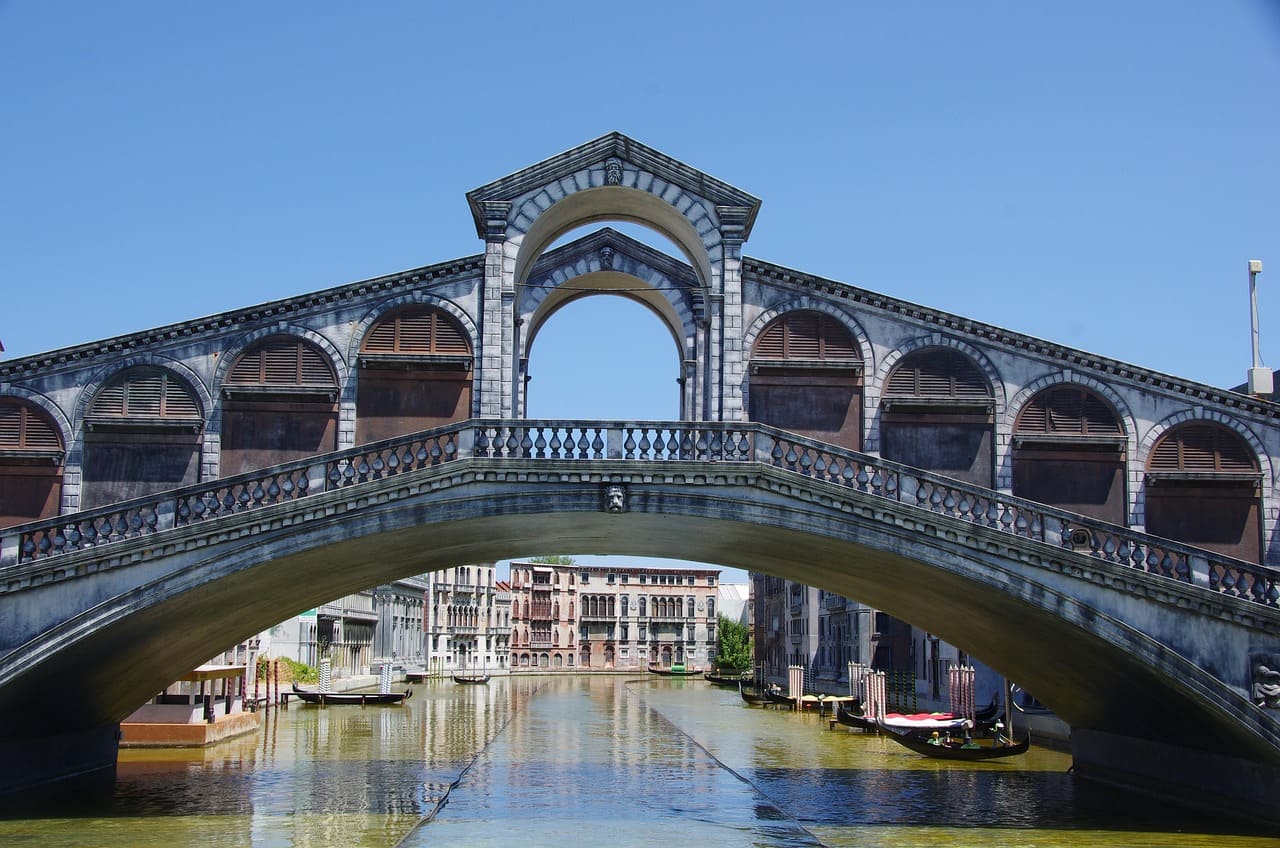
A legendary Adriatic seaside resort, Rimini attracts visitors with its long sandy beaches and lively summer atmosphere. Beyond the beach life and local piadina, its historic center preserves beautiful Roman remains.
2. Ravenna
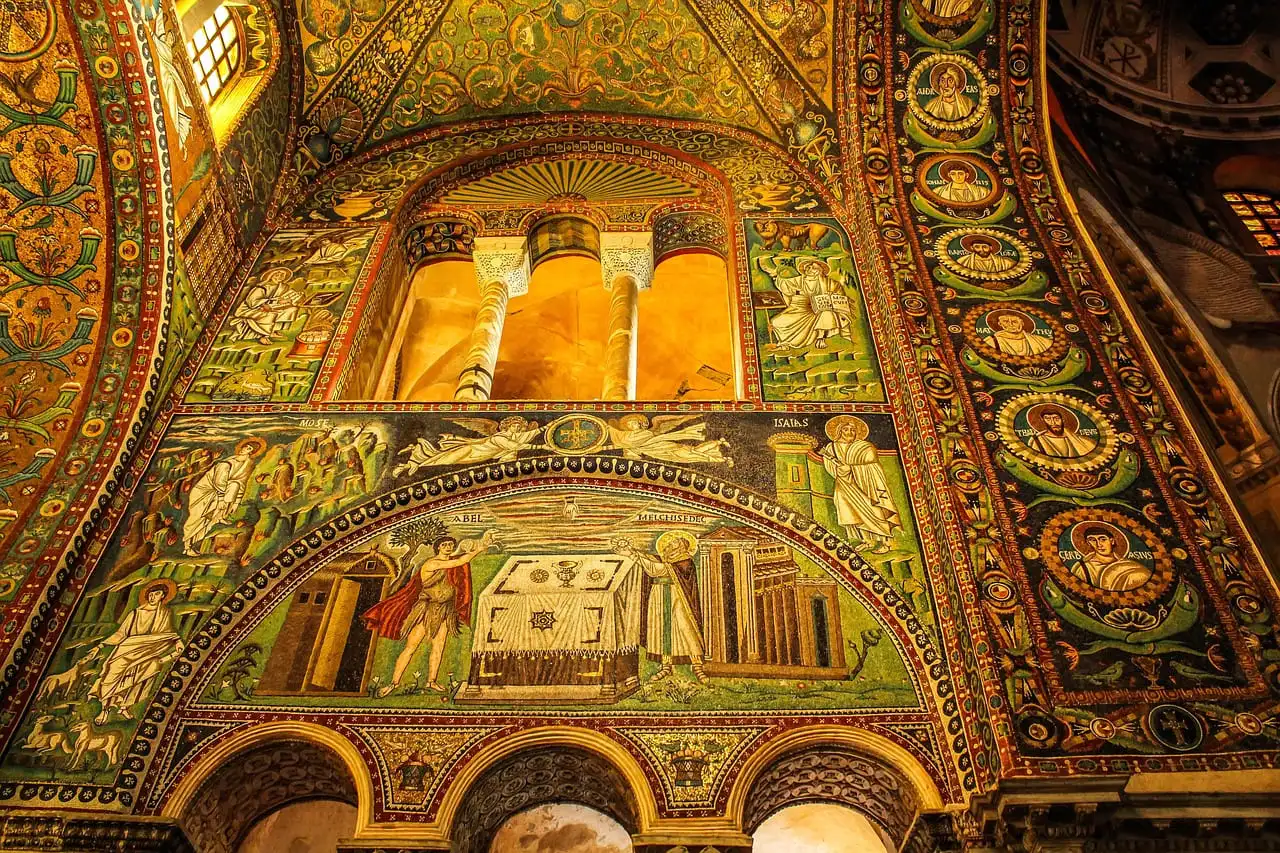
A world capital of mosaics, Ravenna is home to eight UNESCO-listed Byzantine monuments. Its basilicas contain masterpieces of exceptional mosaic artistry, reflecting its influence at the end of Antiquity. It’s an essential cultural stop and relatively calm.
3. Venice and its lagoon
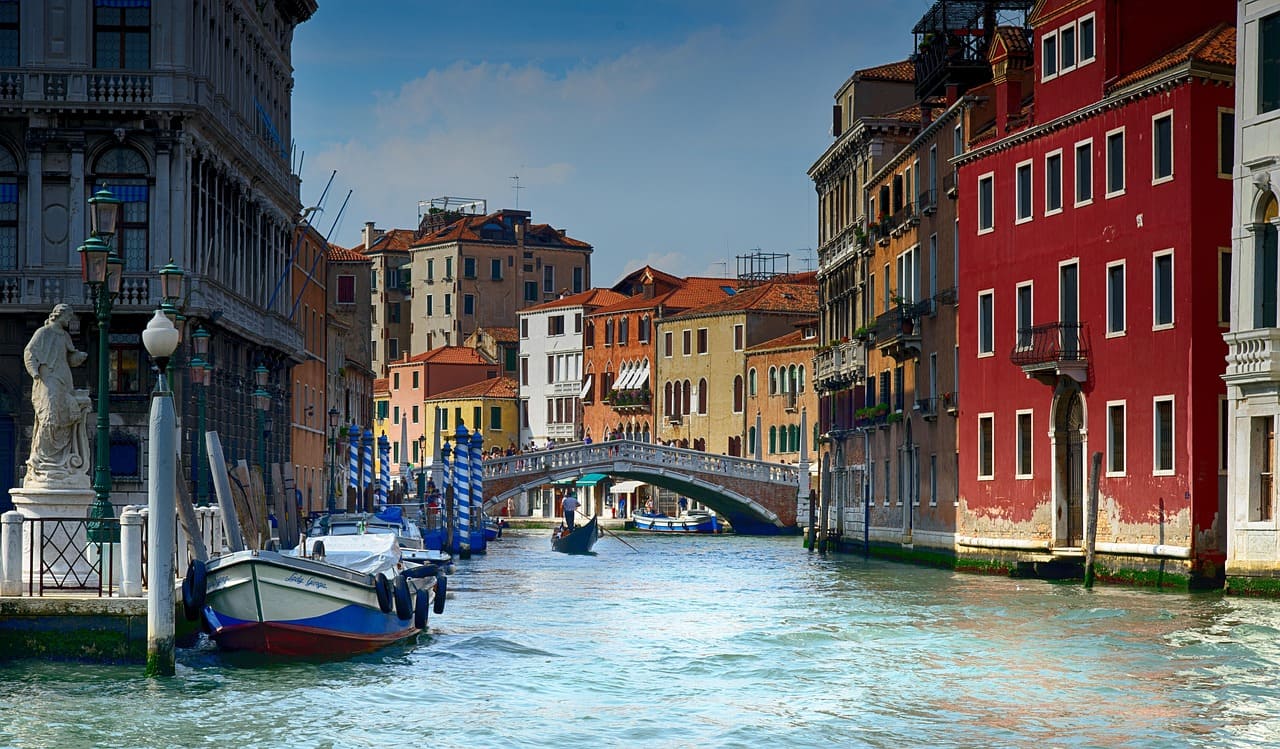
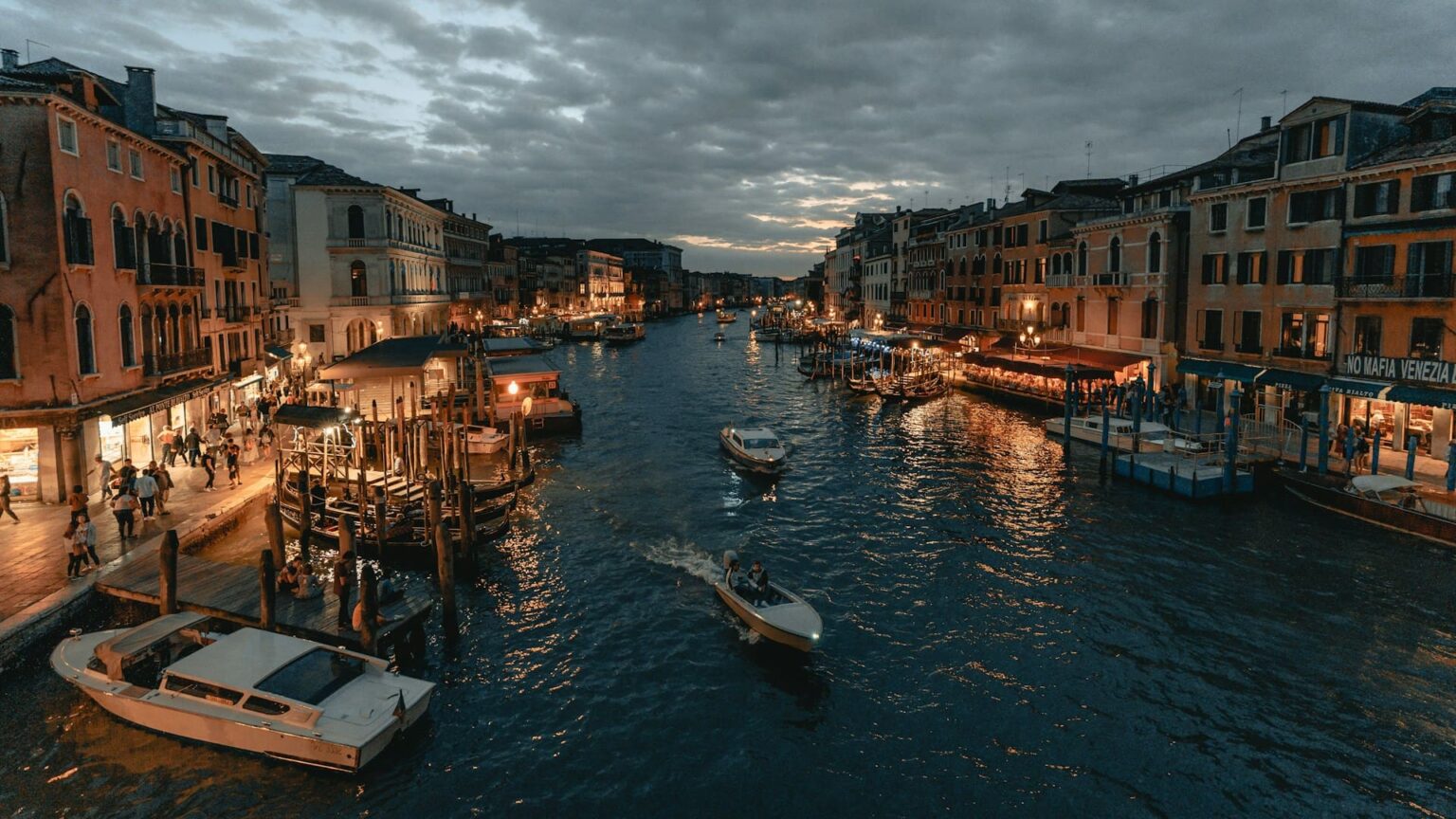
La Serenissima, a unique city built on 118 islands connected by canals and bridges, offers unmatched magic. From St. Mark’s Square to the colorful islands of Murano and Burano (famous for their brightly painted houses and lace-making), it is best explored by vaporetto (public water transport). For motorhomes, park on the mainland (Tronchetto or Mestre) and reach the center by public transport.
In 2026, be sure to check the days when Venice requires an access fee for day visitors (online booking recommended).
CaraMaps stops along the Adriatic coast: from Rimini to Venice
Northern Italy by motorhome is an adventure that blends modern comfort with historical charm. We hope these itineraries inspire you to hit the road, chart your own course, and create unforgettable memories along Italy’s scenic routes.
Enjoy your trip, and see you soon on the roads of Northern Italy!