A dream destination for road trip lovers and freedom seekers, the Netherlands (often mistakenly called Holland) promises an easy, scenic and effortlessly cool campervan adventure. Whether you are travelling from France, Belgium or elsewhere in Europe, everything is within easy driving distance!
A Journey Between Tradition and Modernity
From UNESCO-listed windmills and endless tulip fields to canal-lined art cities and surprisingly diverse natural landscapes, this flat country is a perfect playground for motorhome travel.
Water is everywhere: canals, lakes, polders and the North Sea shape the Dutch landscape. One moment you’ll be wandering through the historic streets of Amsterdam, the next admiring the futuristic architecture of Rotterdam. From the car-free village of Giethoorn to the peaceful forests of De Hoge Veluwe National Park, every region offers a completely different atmosphere.
Add Delft’s famous blue pottery, traditional cheese markets and the explosion of colour brought by spring tulips, and you get the perfect mix of authentic charm and contemporary energy.
Before You Go: Essential Information for Travelling in the Netherlands
Regulations and Driving Restrictions
- Documents: EU citizens only need a valid identity card or passport to travel to the Netherlands. A French driving licence is also recognised.
- Driving rules: Speed limits for most motorhomes and campervans are:
- 50 km/h in urban areas
- 80 km/h outside built-up areas
- 100 km/h on motorways
Some motorway sections allow speeds of up to 130 km/h for vehicles under 3.5 tonnes. Cyclists always have priority in the Netherlands, so extra caution is essential! Especially in cities and village centres.
- Environmental Zones (Milieuzones) : Low-emission zones are very common in Dutch cities including Amsterdam, Rotterdam, Utrecht, The Hague and Delft. Since 2025, restrictions for diesel vehicles have become stricter. In many cities, motorhomes must comply with at least the Euro 5 emissions standard, although some areas still allow Euro 4 vehicles.
- Visit milieuzones.nl for more information (the website is mainly available in Dutch).
- You can also consult the official Urban Access Regulations website.
- It is highly recommended to check the local municipality’s website before entering a city centre.
- Older diesel motorhomes, generally those registered before 2005-2010 depending on the municipality, are often banned from city centres.
- Fines for non-compliance can reach several hundred euros.
- Tip: Use park-and-ride facilities on the outskirts of cities and continue by public transport or bicycle.
- Visit milieuzones.nl for more information (the website is mainly available in Dutch).
- IMPORTANT: Overnight stays are only permitted in designated motorhome areas, campsites or farm stays.
- Wild camping (“wildkamperen”) is strictly prohibited throughout the Netherlands. Fines can range from €350 to €500.
- Sleeping inside your vehicle is generally forbidden on public roads, regular car parks or non-designated areas. Even if you do not set up tables, chairs or awnings outside, local authorities often still classify sleeping inside the vehicle as camping. Any exceptions are handled at municipal level.
- Fortunately, the Dutch network of campervan sites and campsites is excellent. Many are free or very affordable (€15-40 per night), offering facilities such as fresh water, waste disposal and electricity, often in beautiful locations near canals, lakes or cycling routes.
- Tolls and Road Fees: Motorways in the Netherlands are free to use!
- The small historic Tolbrug bridge costs €0.50 (cash payment only).
- Only two tunnels charge tolls:
- Kiltunnel near Dordrecht: €2 to €5 depending on vehicle height
- Westerscheldetunnel in Zeeland: free for passenger vehicles since 2025
Tips and Advice for Motorhome Travel in the Netherlands
- Do not hesitate to download the CaraMaps app to easily find all available motorhome service areas, campsites and overnight parking spots across the Netherlands.
- Before departure, make sure your vehicle is fully checked: tyres, fluid levels, fresh water, gas supply, battery condition…
- Carefully plan your route, travel time and budget before leaving.
- Other Useful Information
- Dutch is the official language of the Netherlands, but English is widely spoken everywhere.
- Fuel prices are roughly similar to those in France.
- Electric sockets use 220 V.
If needed, you can also read our beginner’s guide to motorhome travel as well as our article about waste water disposal.
What Is the Best Time to Visit the Netherlands by Motorhome? How Long Should You Stay?
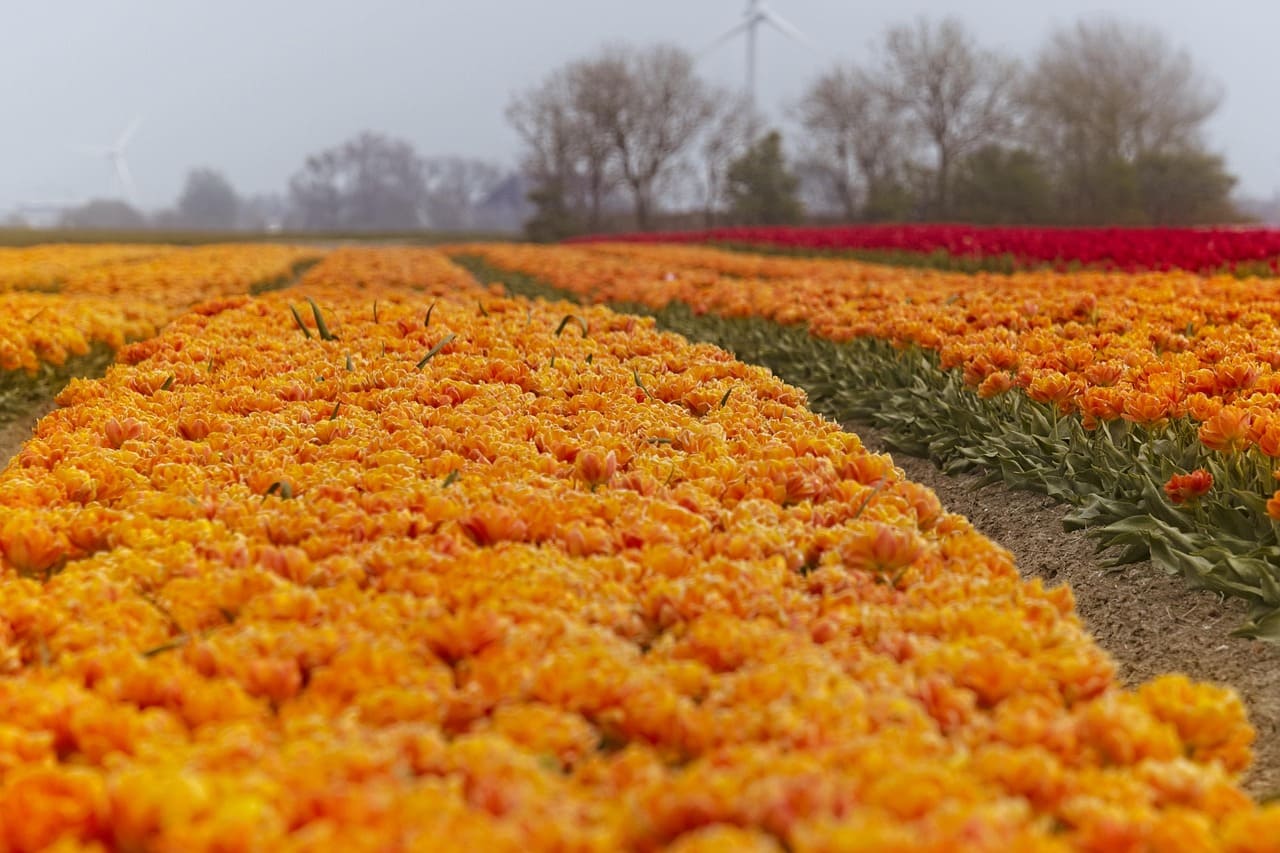
The best period to visit the Netherlands is late spring (April-May), when tulip fields are in full bloom, Keukenhof Gardens are open and temperatures are pleasant (15-20°C). Summer (June to September) is mild, usually around 20-22°C, making it ideal for campervan travel, although tourist sites can become busier. Autumn offers beautiful light, colourful landscapes and fewer visitors.
- How long? A 7 to 8-day road trip is enough to discover the main highlights (Amsterdam, Kinderdijk, tulip fields and traditional villages).
- Allow 12 to 16 days if you want to explore all regions at a slower pace and fully enjoy the country without rushing.
Dutch Food Specialities You Absolutely Must Try
Do not leave the Netherlands without tasting:
- Dutch Cheeses: Young or aged Gouda, Edam and Maasdam cheeses are essential Dutch classics. Buy them directly from traditional cheese markets (Alkmaar on Friday mornings, Gouda on Thursday mornings, or Edam).
- Sweet Treats: Warm stroopwafels are a must, especially in Gouda or at local street markets. You should also try: poffertjes (small fluffy pancakes served with icing sugar) and Dutch liquorice (“drop”) in all its varieties, from sweet to salty.
- Fish and Seafood: Fresh herring (“haring”) is a true Dutch institution. It is traditionally eaten raw with onions and pickles, usually standing at a street stall. Other popular specialities include: kibbeling (fried cod bites) and maatjes herring. You’ll find some of the best seafood in coastal villages such as Volendam and Scheveningen, or on the fish stalls in Hoorn.
- Dutch Classics: Try crispy bitterballen and kroketten, perfect with a local beer. For something different, enjoy an Indonesian rijsttafel, a colonial-era culinary tradition consisting of many small dishes designed for sharing.
Enjoy your meal!
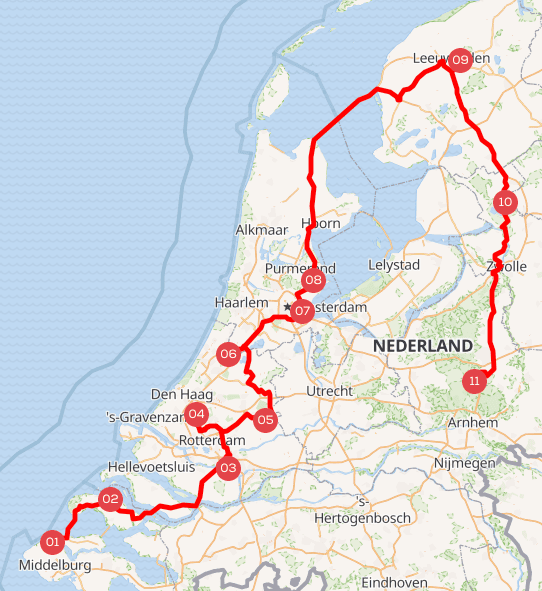
Discovering the Netherlands by Motorhome: a 12–16 Day Road Trip
South-West Netherlands: Zeeland and the Delta Works (2–3 days)
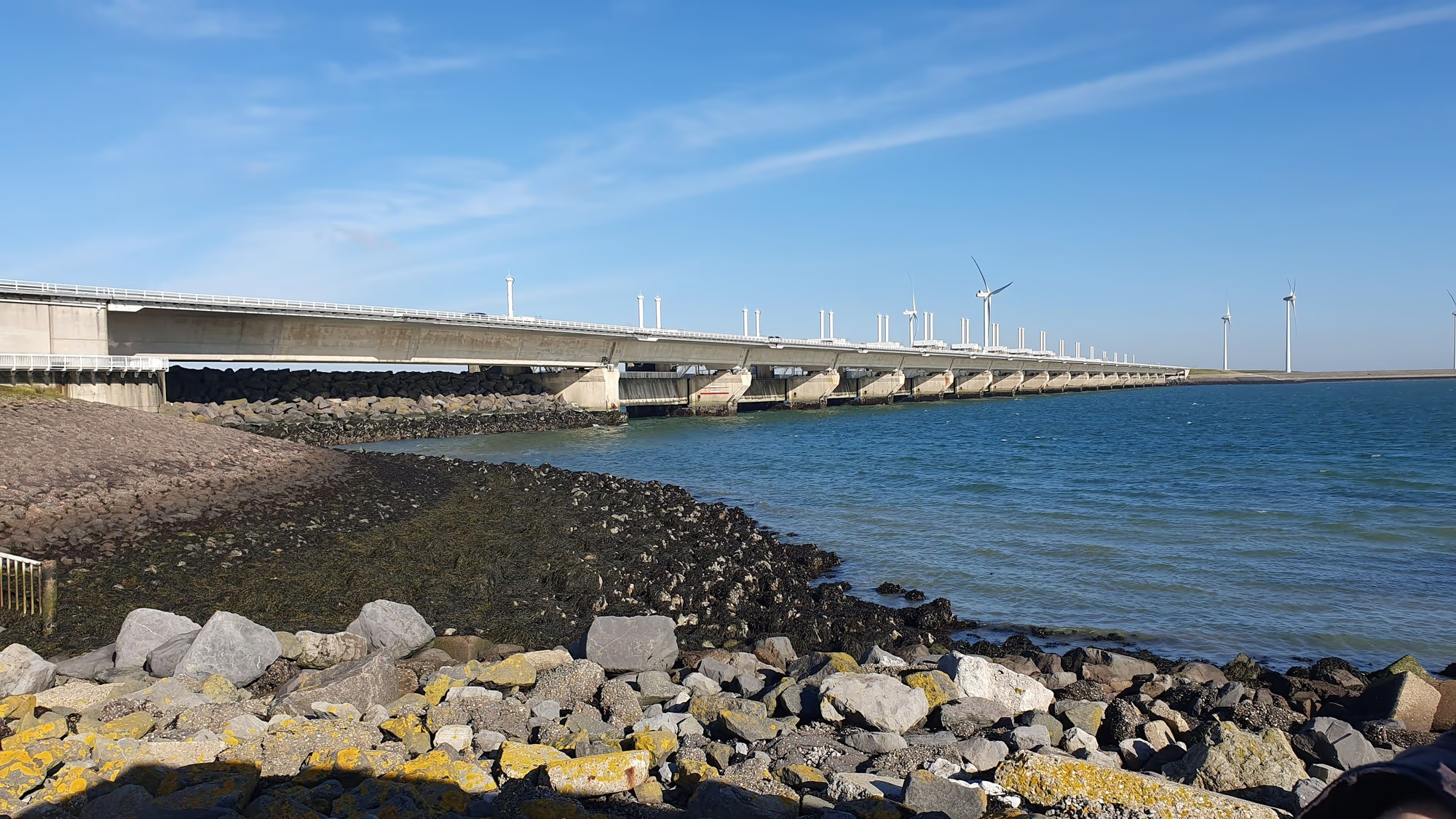
Start your journey in the province of Zeeland, a region made up of islands, vast beaches and unique coastal landscapes. Admire the Delta Works (Deltawerken), an incredible engineering masterpiece built after the devastating 1953 flood to protect the Netherlands from the sea.
Enjoy the long sandy beaches of Renesse and Burgh-Haamstede, as well as picturesque towns such as Veere, Middelburg — the historic capital with its ramparts and old merchant houses — and Zierikzee. Taste ultra-fresh fish, oysters and mussels from the region. Zeeland is also a paradise for cycling, sailing and scenic walks along the dikes.
Where to stay overnight?
There are many options across the islands of Zeeland. That said, we recommend these two places when crossing the province:
- Camping Oranjezon 📍
- Located close to the nature reserve and the beach. Although relatively expensive, the exceptional quality of the facilities earns consistently excellent reviews from CaraMaps users.
- Camping Noorder Nieuwland 📍
- A pleasant campsite, perfect for a stopover after crossing Neeltje Jans on the Eastern Scheldt storm surge barrier (Oosterscheldekering), the iconic highlight of the Delta Works.
Free parking areas along the route:
REMINDER: overnight stays are prohibited in regular car parks, even if no camping equipment is set up outside the vehicle.
South Holland – Kinderdijk, Rotterdam and Delft (2 days)
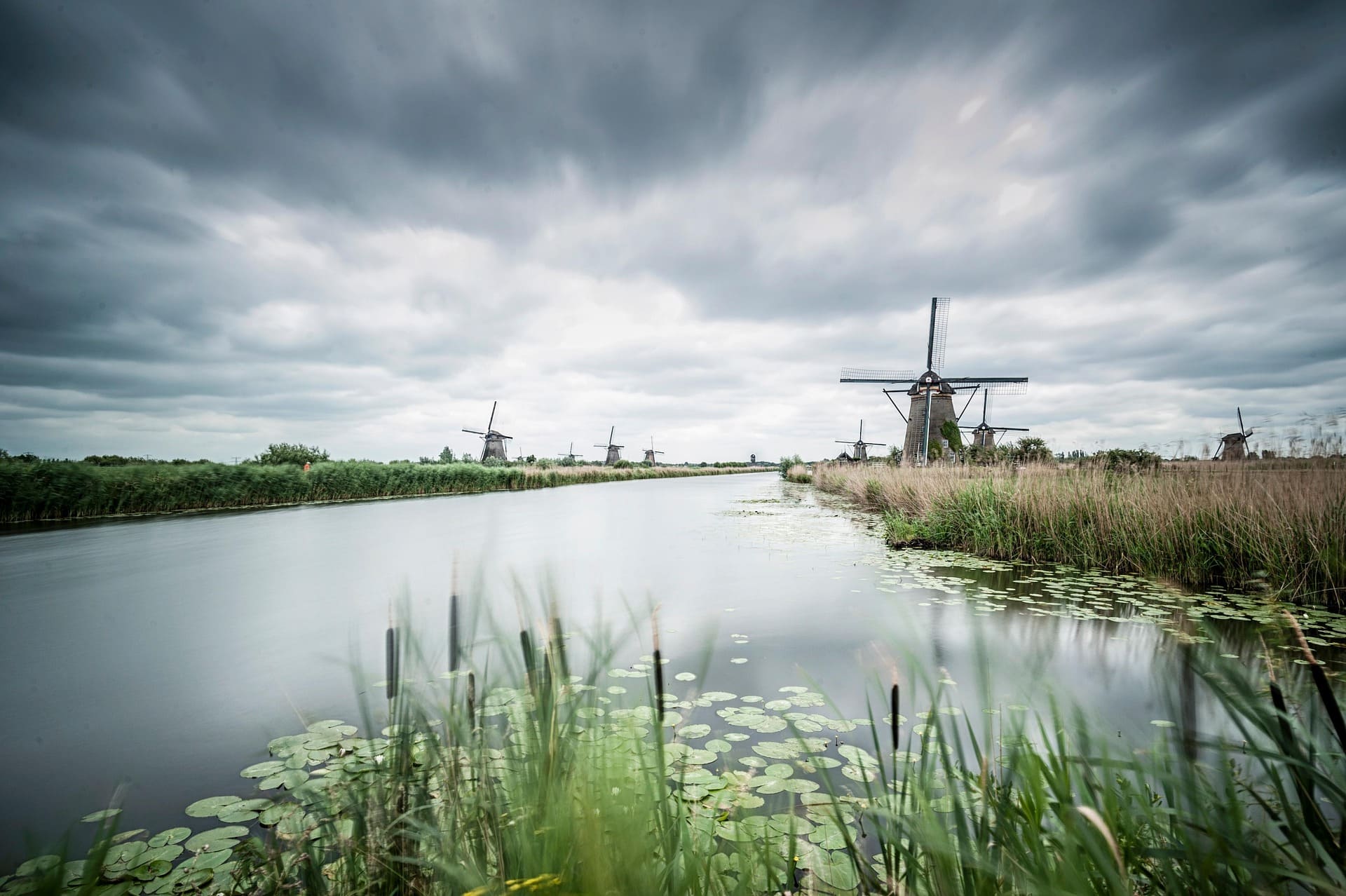
Head towards the 19 majestic windmills of Kinderdijk (UNESCO World Heritage Site), a postcard-perfect landscape stretching along the canals. Continue on to Rotterdam for its modern architecture, gigantic harbour and vibrant atmosphere (don’t miss the Markthal and the Cube Houses).
Then make your way to Delft, famous for its peaceful canals, blue pottery and unmistakable Vermeer atmosphere.
Where to stay overnight?
- Camping de Oude Maas 📍
- Located near Rotterdam, this is an ideal base if you want to visit Kinderdijk, Rotterdam and Delft from one location. CaraMaps users describe the site as spectacular and exceptionally clean.
- Camping Delftse Hout 📍
- Located close to the centre of Delft, this campsite can either serve as your main base or be alternated with Camping de Oude Maas over two or three days depending on your travel style. Visitors particularly appreciate the friendly staff and excellent organisation.
Free parking areas along the route:
Gouda and the Tulip Region (1 day)
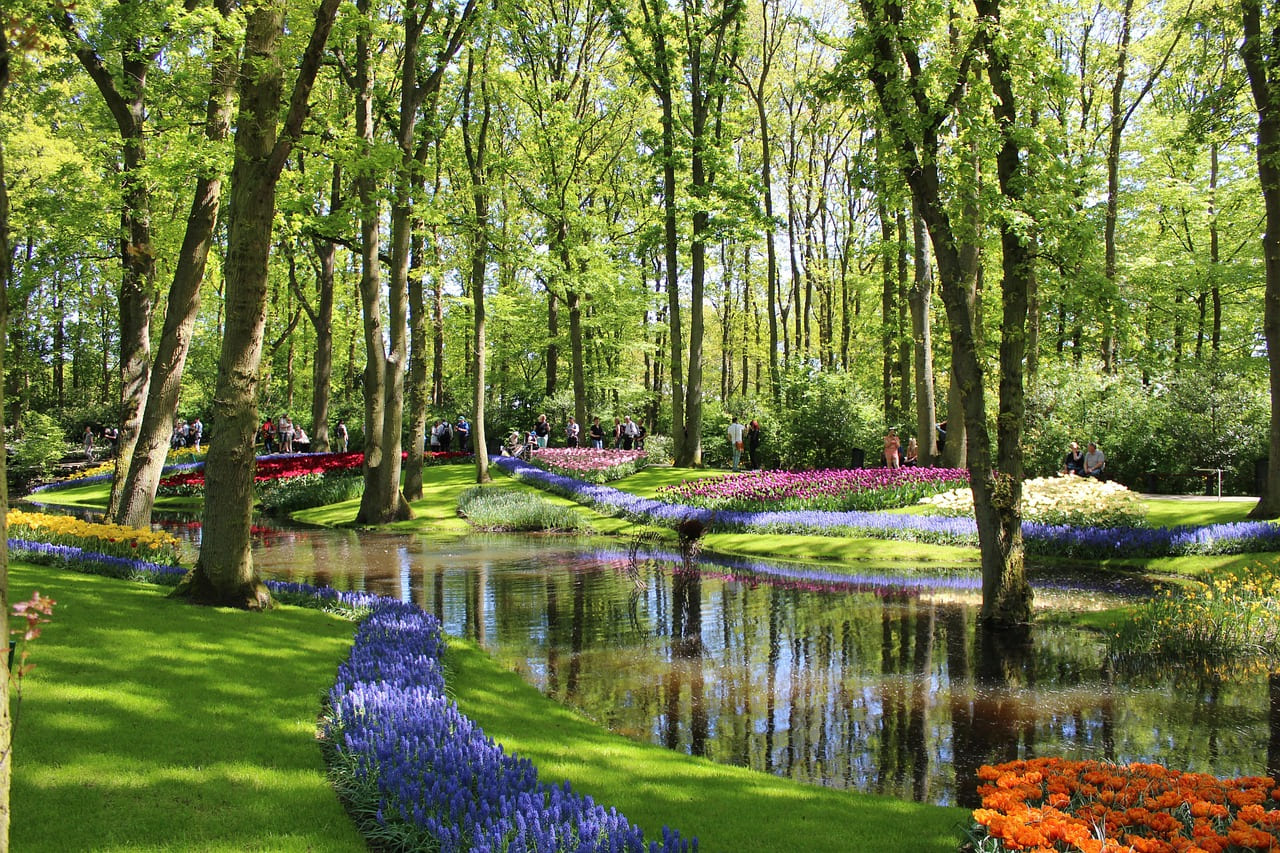
Do not miss Keukenhof Gardens (open from mid-March to mid-May) and the tulip fields stretching between Leiden and Haarlem. Stop in Gouda for its traditional weekly cheese market (Thursday mornings) and charming historic centre. Perfect for a foodie and photography break.
Where to stay overnight?
- Camping Streefland – Free Parking 📍
- An easily accessible campsite, ideal during your visit to the city of Gouda.
- V.O.F. Camping Hof van Eeden 📍
- For visiting Keukenhof Gardens and the tulip fields, this lakeside campsite close to the ocean and near a service area is a popular choice among travellers.
Amsterdam and Zaanse Schans (2 days)
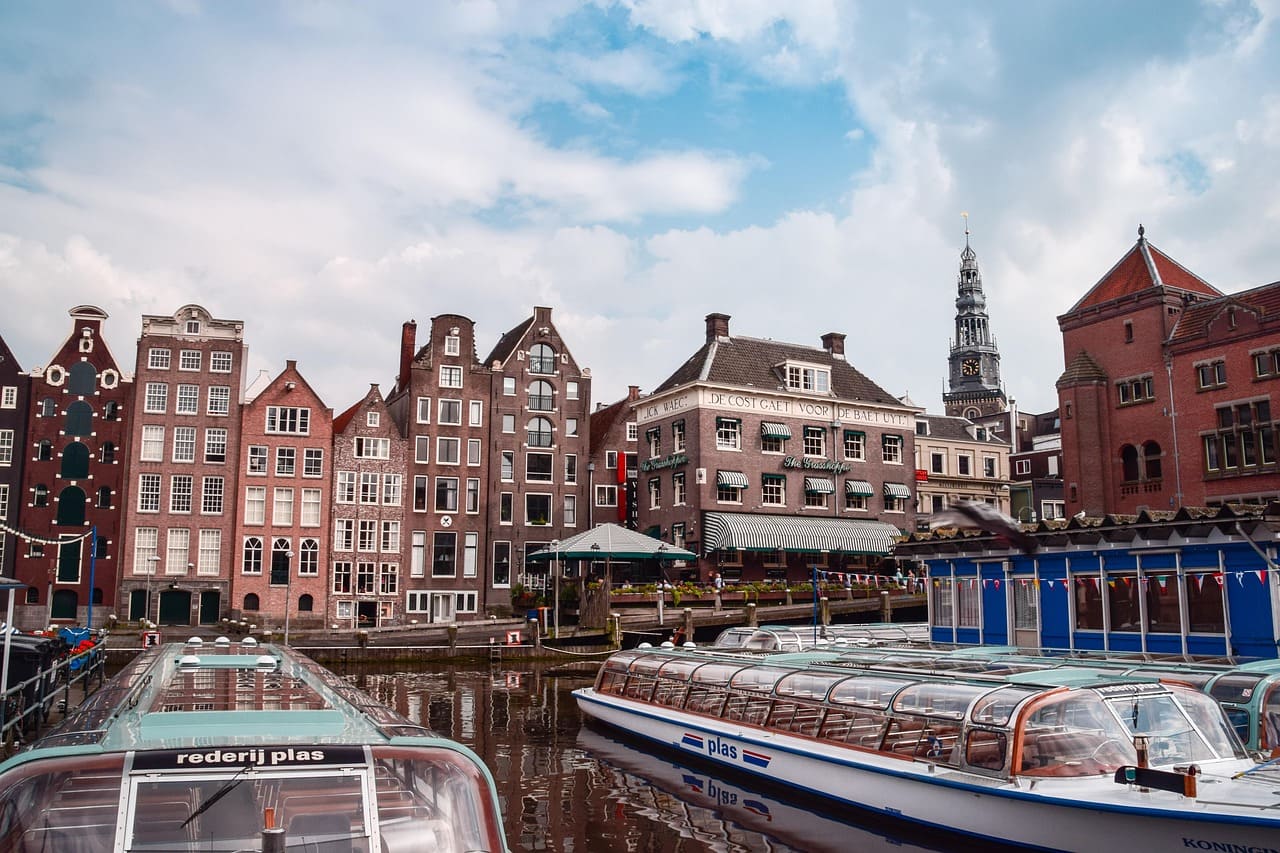
Avoid driving your motorhome into Amsterdam city centre at all costs (height restrictions and low-emission zones apply). Park at Camping Zeeburg or in a peripheral motorhome area and use the tram or bicycle instead. Walk around Dam Square, visit the Anne Frank House and stroll along the canals.
Then head to Zaanse Schans with its working windmills, green wooden houses and traditional clog workshops. An absolute must-see.
Where to stay overnight?
- Camping Zeeburg Amsterdam 📍
- A beautiful and fully equipped campsite, highly appreciated by travellers in our community for its excellent location.
It is strongly recommended to avoid Amsterdam city centre when travelling by motorhome. Park your vehicle on the outskirts (at a campsite or dedicated motorhome area) and explore the city by bicycle or tram.
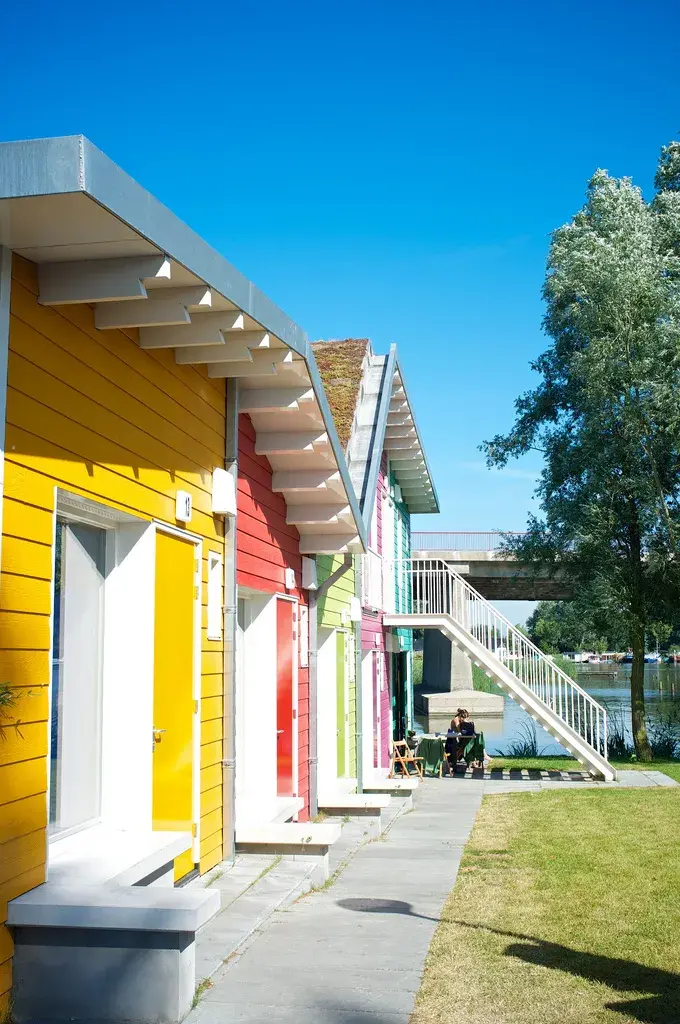
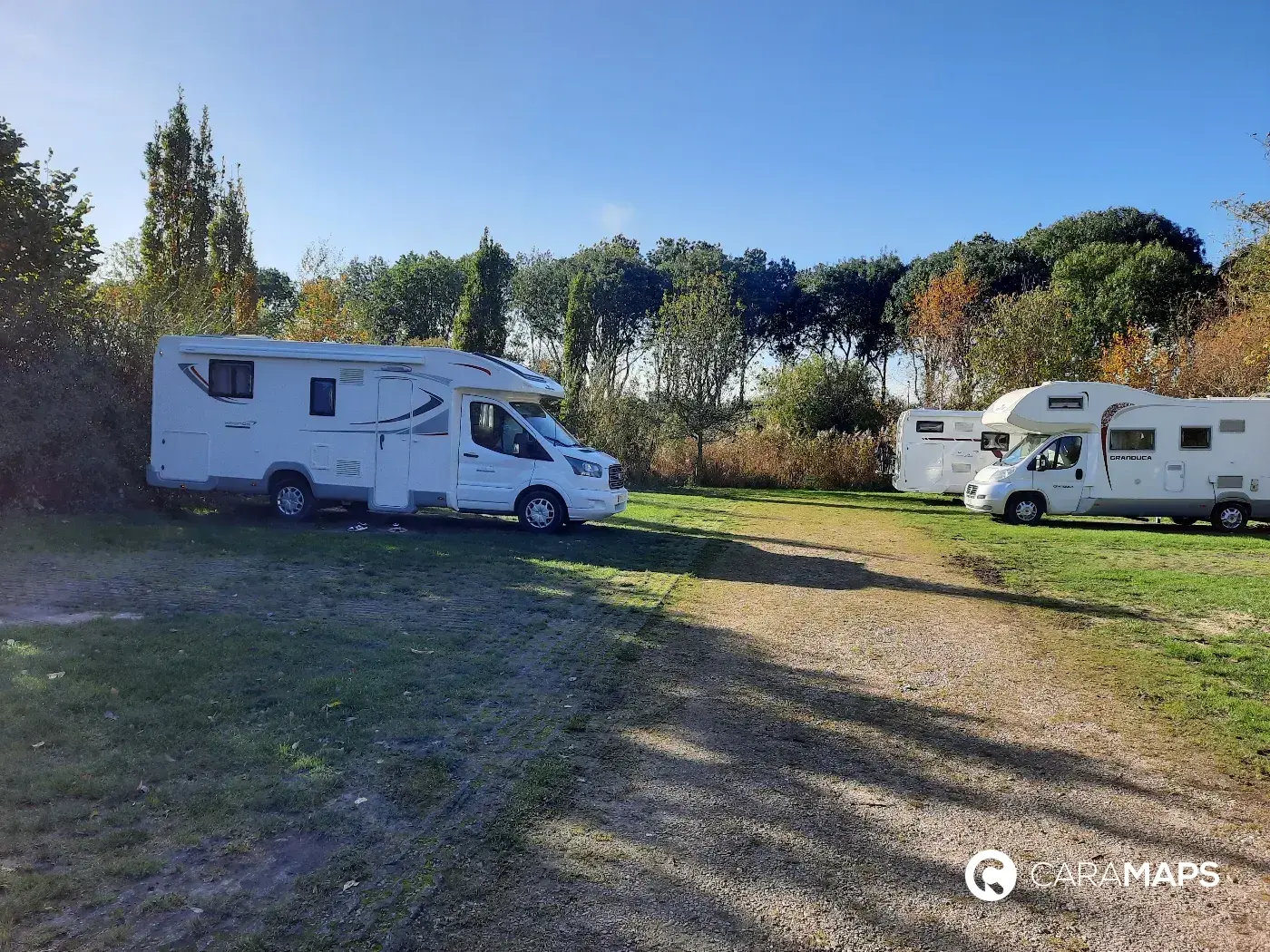
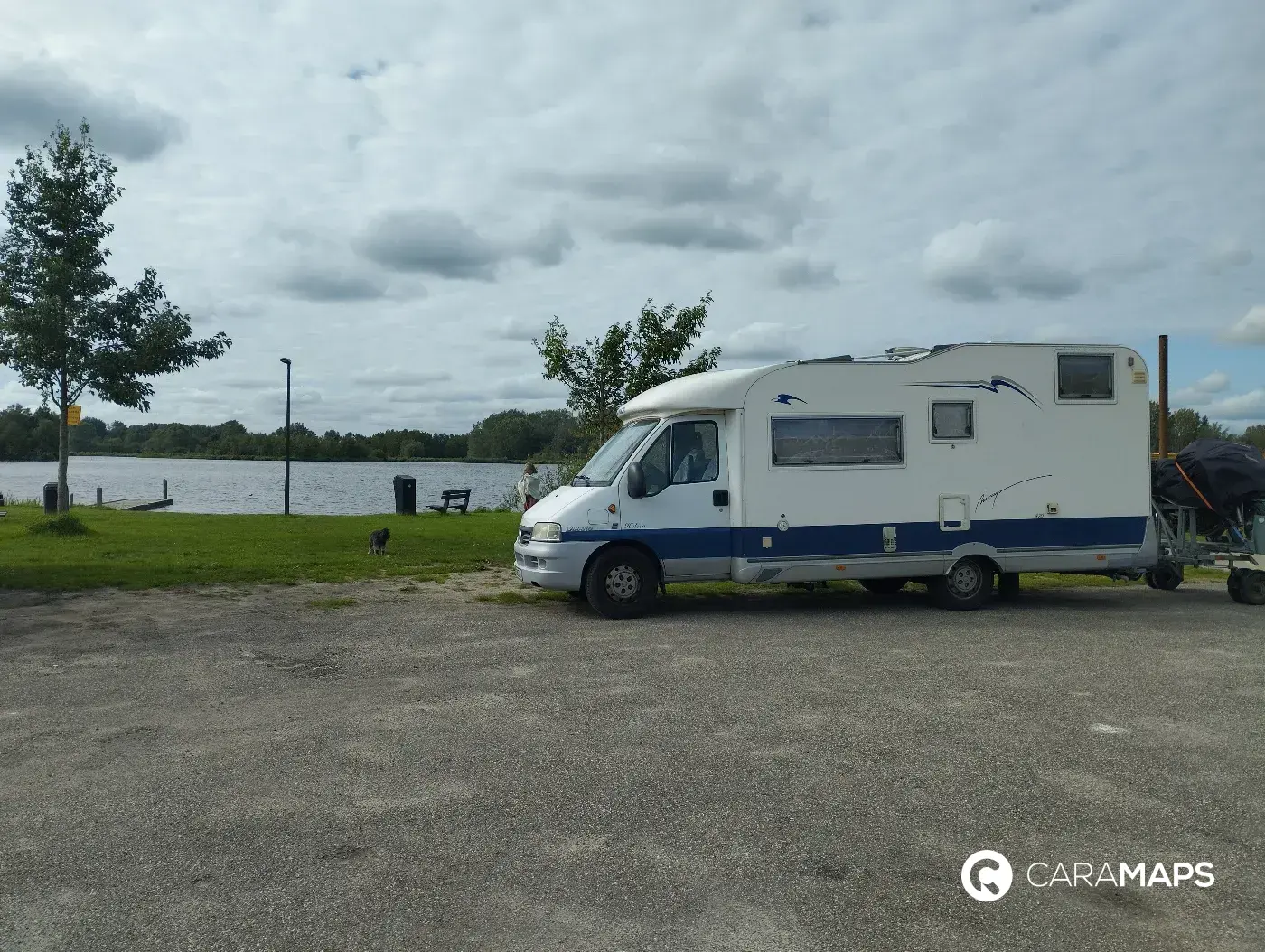
Free parking areas in the region:
Northern Fishing Villages – Volendam and Marken (1 day)
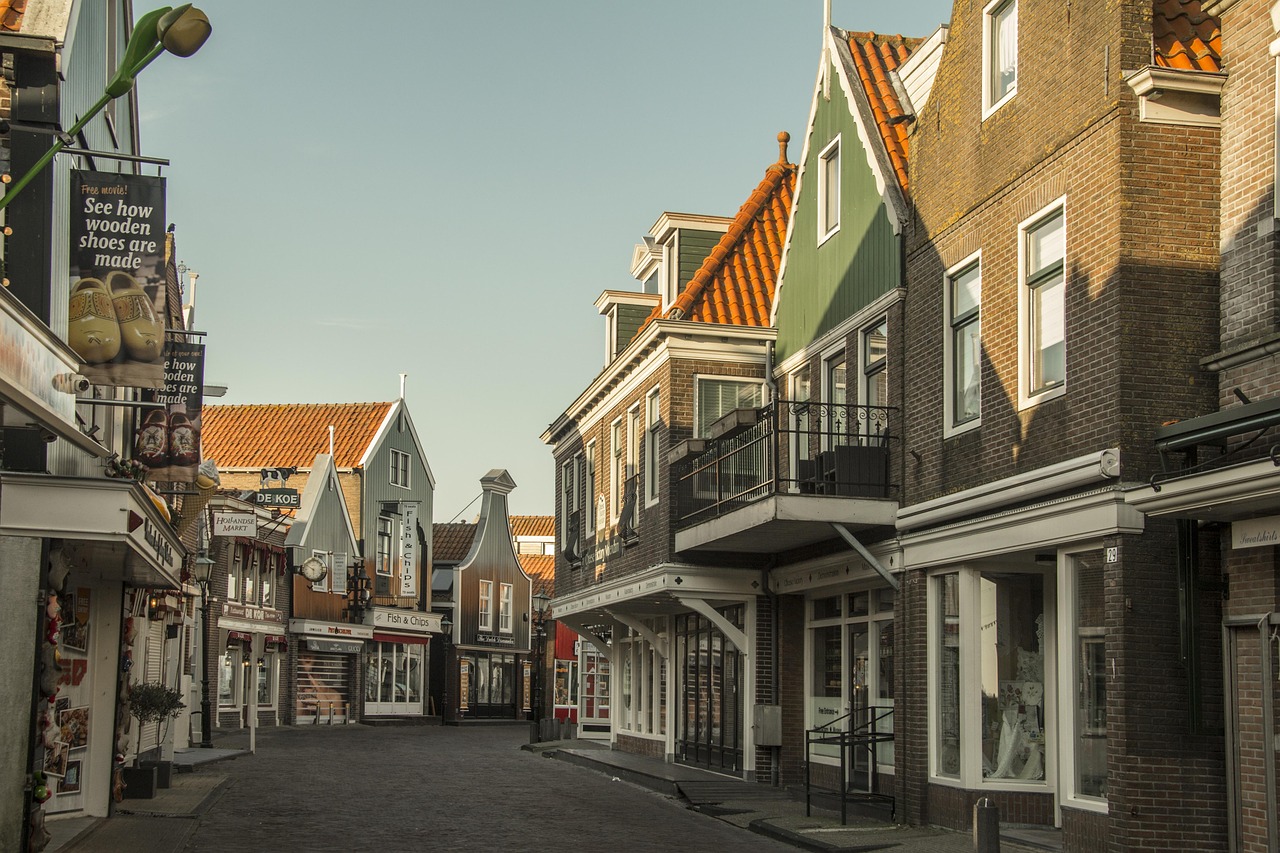
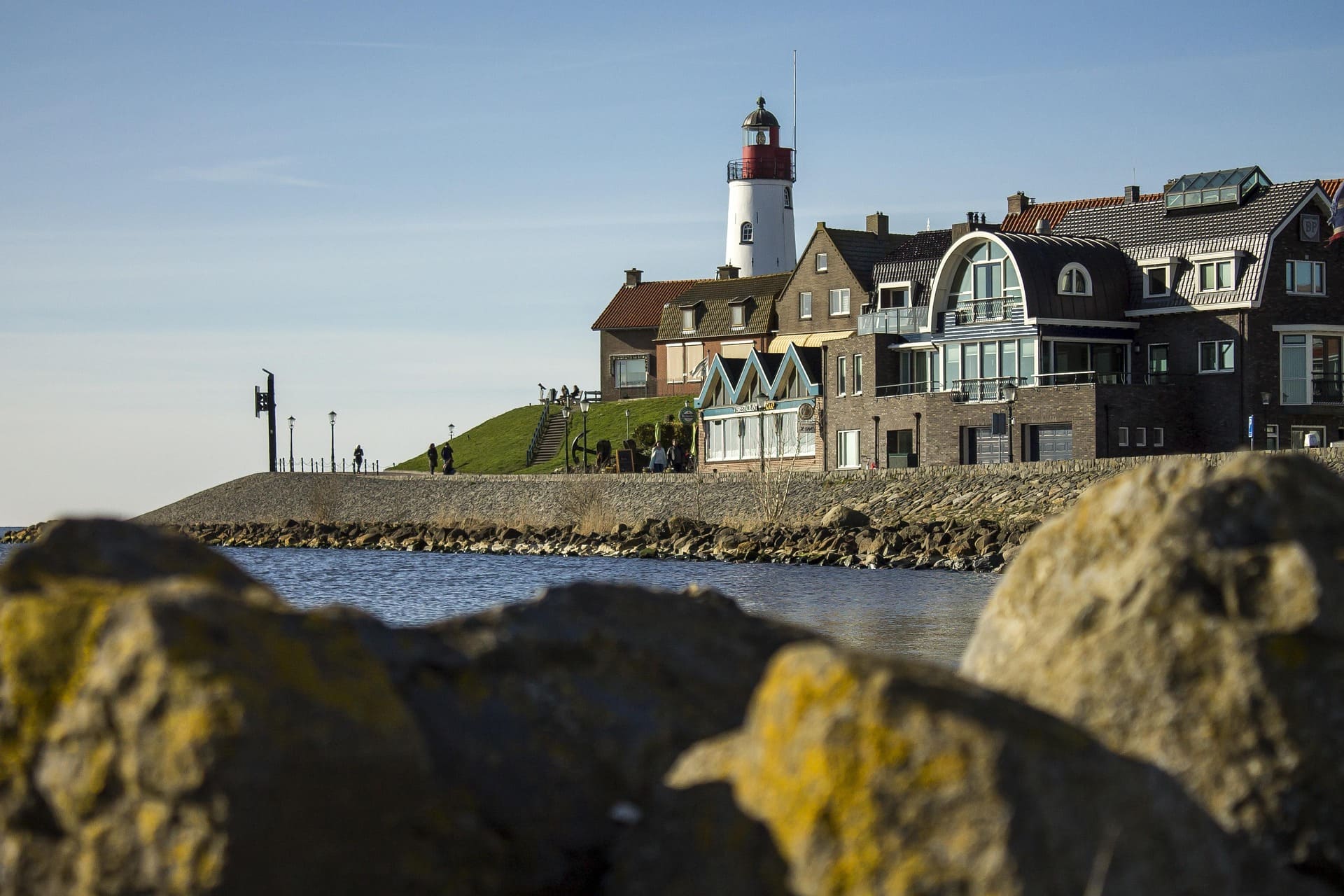
Immerse yourself in the charm of former fishing ports. Volendam is famous for its colourful houses and traditional costumes, while Marken sits on an island connected by a dike accessible to motorhomes. The area offers many campervan areas and even farm stays similar to France Passion.
Where to stay overnight?
- Camping Katwoude 📍
- A peaceful and welcoming farm campsite with easy access to the villages of Volendam and Marken.
Free parking areas along the route:
Friesland (Fryslân) and Leeuwarden (2–3 days)
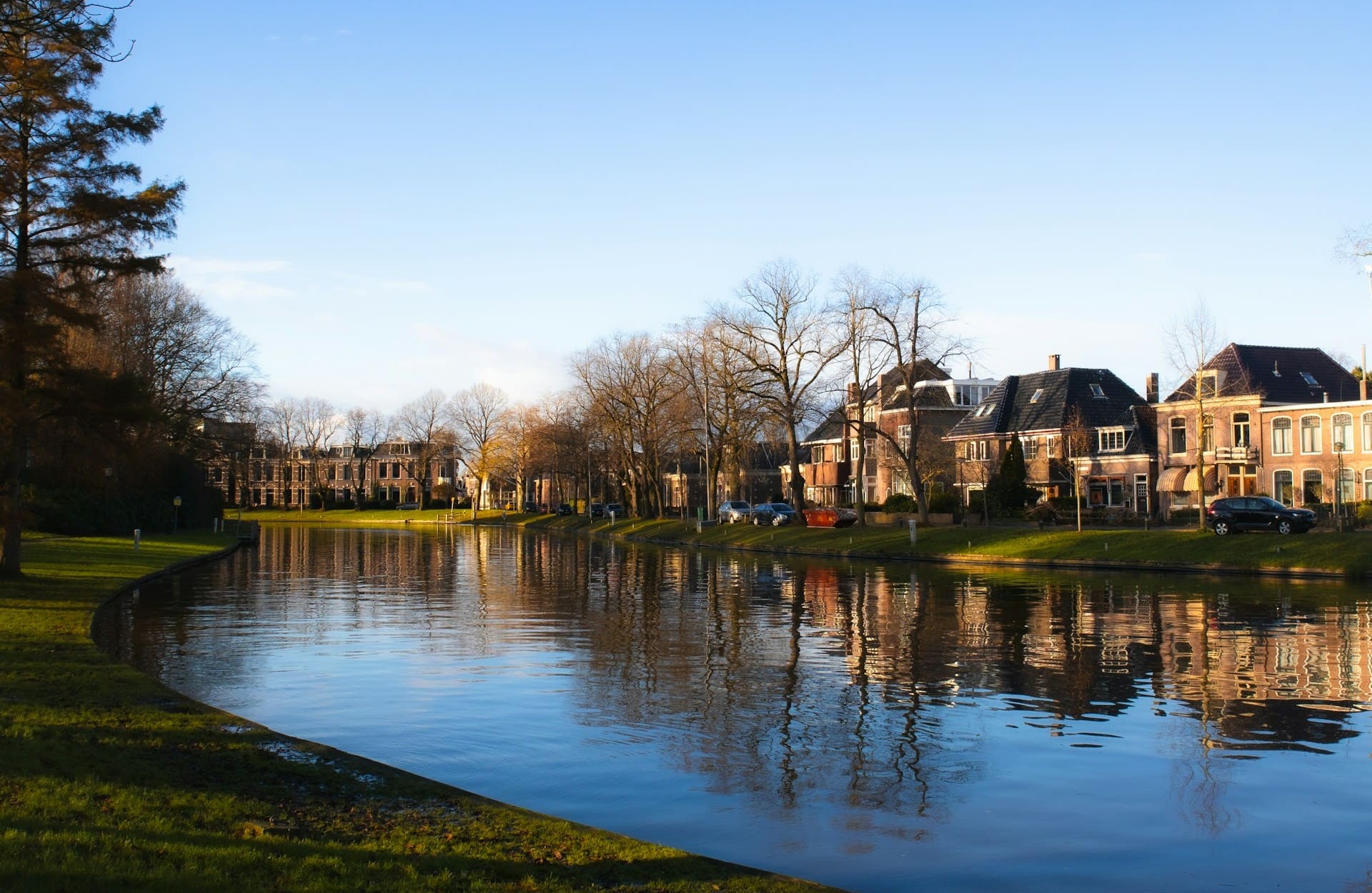
Continue north to Friesland, one of the most authentic regions in the Netherlands, proud of its unique identity. Water defines the landscape here, with large lakes, peaceful canals and the beautiful De Alde Feanen National Park, perfect for cycling and boating. At the heart of the region, Leeuwarden, the Frisian capital, makes an excellent base.
A charming and often overlooked city, Leeuwarden captivates visitors with its quiet canals, historic gabled houses and the famous Oldehove leaning tower, which you can climb for panoramic views over the city.
Where to stay overnight?
- Camperplaats Jachthavenlaan Leeuwarden 📍
- A beautifully located motorhome service area set within a marina and close to Leeuwarden city centre.
Free parking areas along the route:
Giethoorn, the “Venice of the North” (Overijssel – 1–2 days)
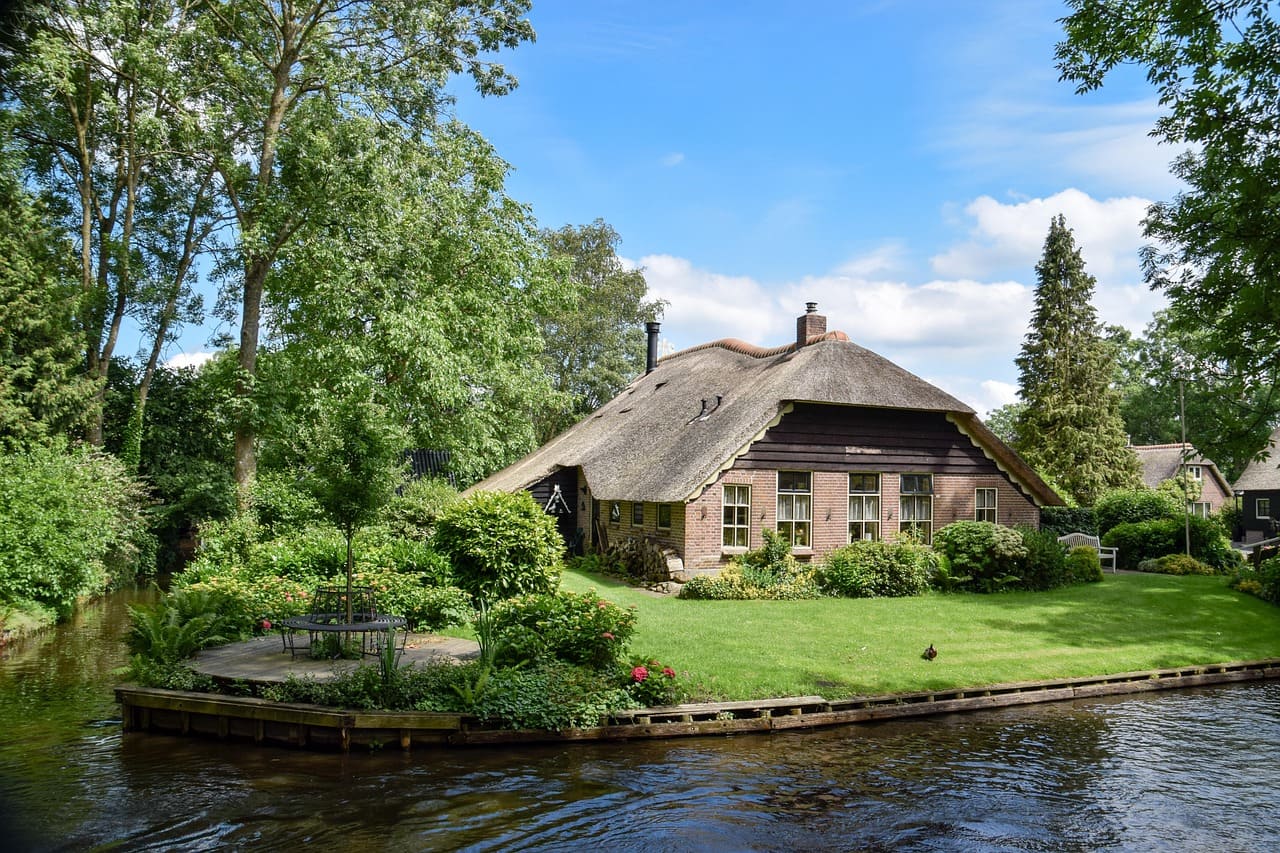
This road-free village is best explored by electric boat or bicycle, weaving between canals and thatched-roof cottages. An incredibly peaceful and photogenic stop.
Where to stay overnight?
- Camperplaats Haamstede 📍
- A clean and spacious campsite located in a former farmhouse, highly appreciated by CaraMaps users for its peace and comfort.
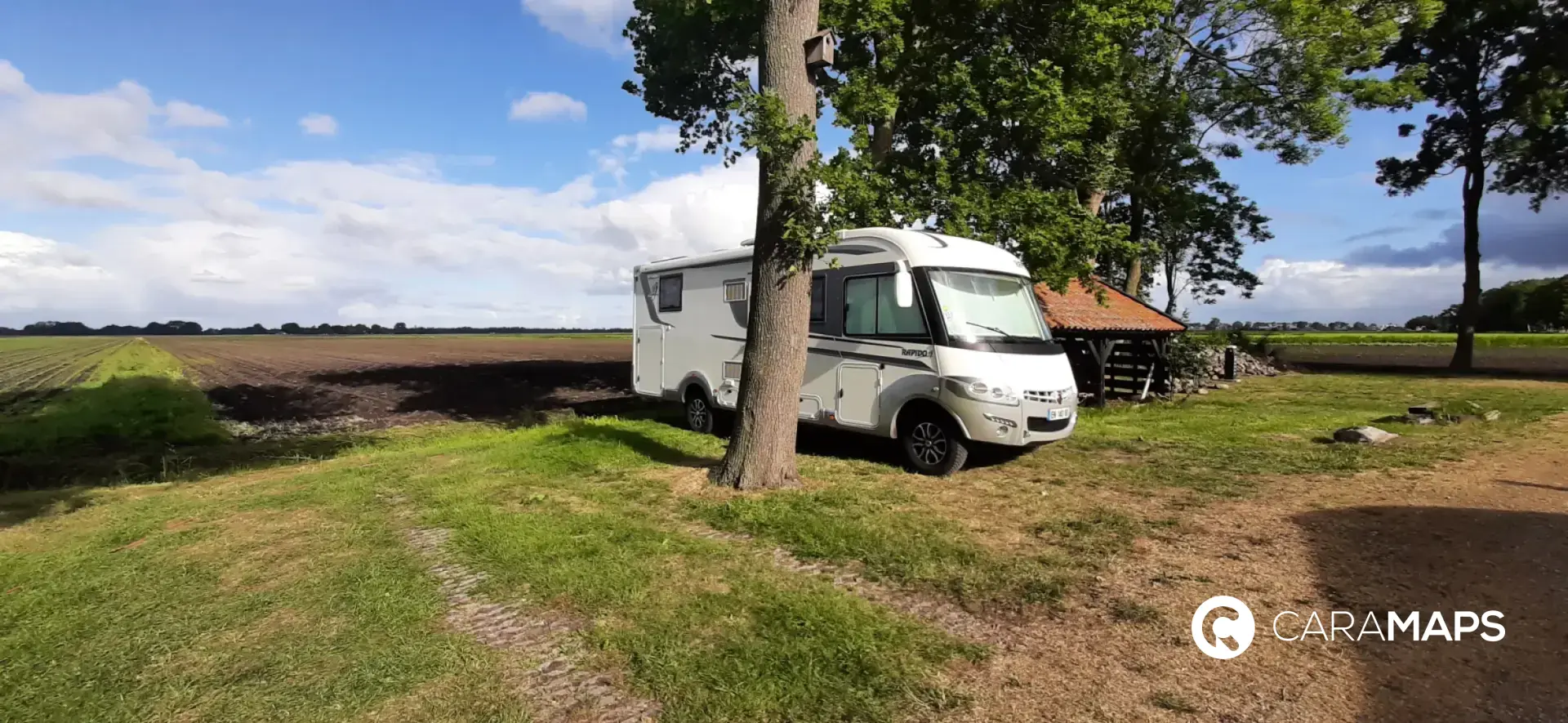
Parking areas along the route:
De Hoge Veluwe National Park (Gelderland – 1–2 days)
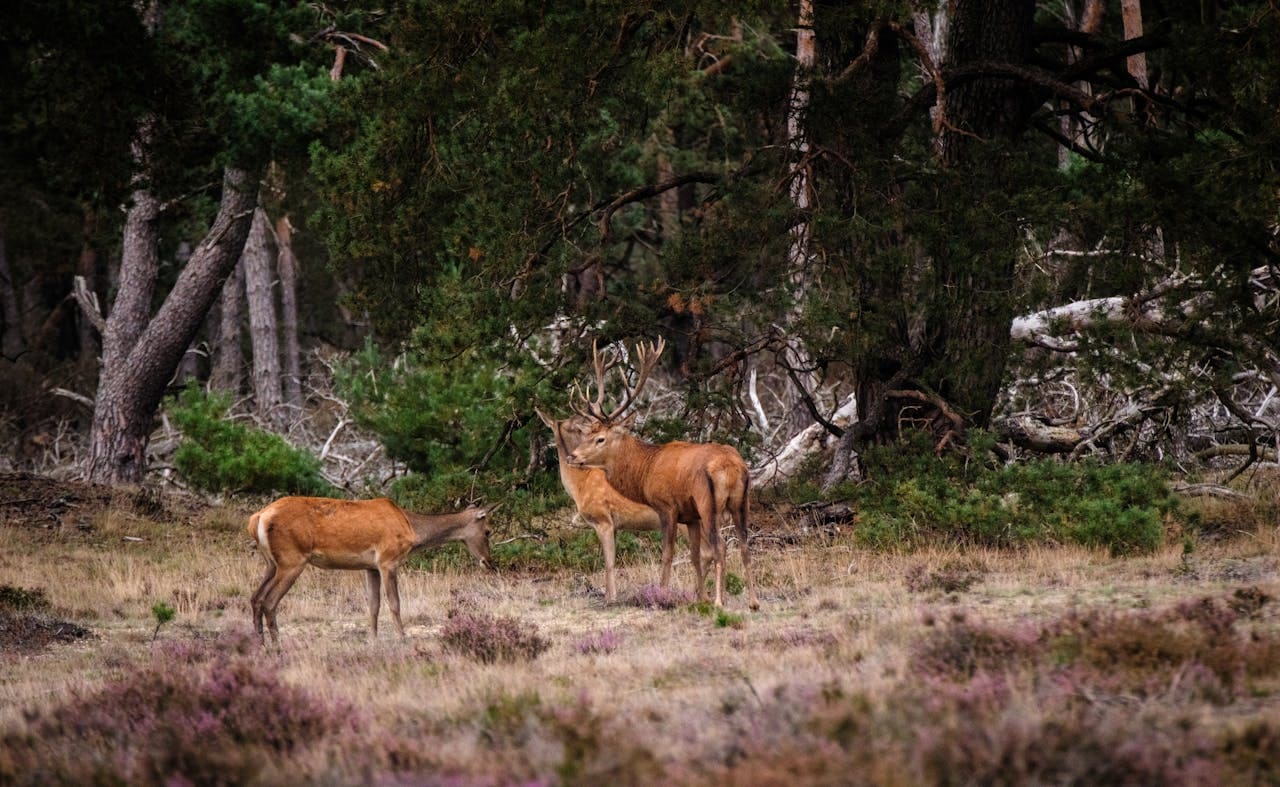
A true nature escape filled with forests, sand dunes and heathland. Use the famous free white bicycles to explore the park and visit the Kröller-Müller Museum, home to major Van Gogh works. The perfect place to disconnect and relax.
Where to stay overnight?
- Veluwe Camping’t Schinkel 📍
- A campsite surrounded by greenery, offering friendly staff and excellent facilities.
Free parking areas along the route:
Consider becoming a premium member to unlock our complete road trip itinerary on CaraMaps
Alternative “Express” Itinerary: The Netherlands in 5–7 Days
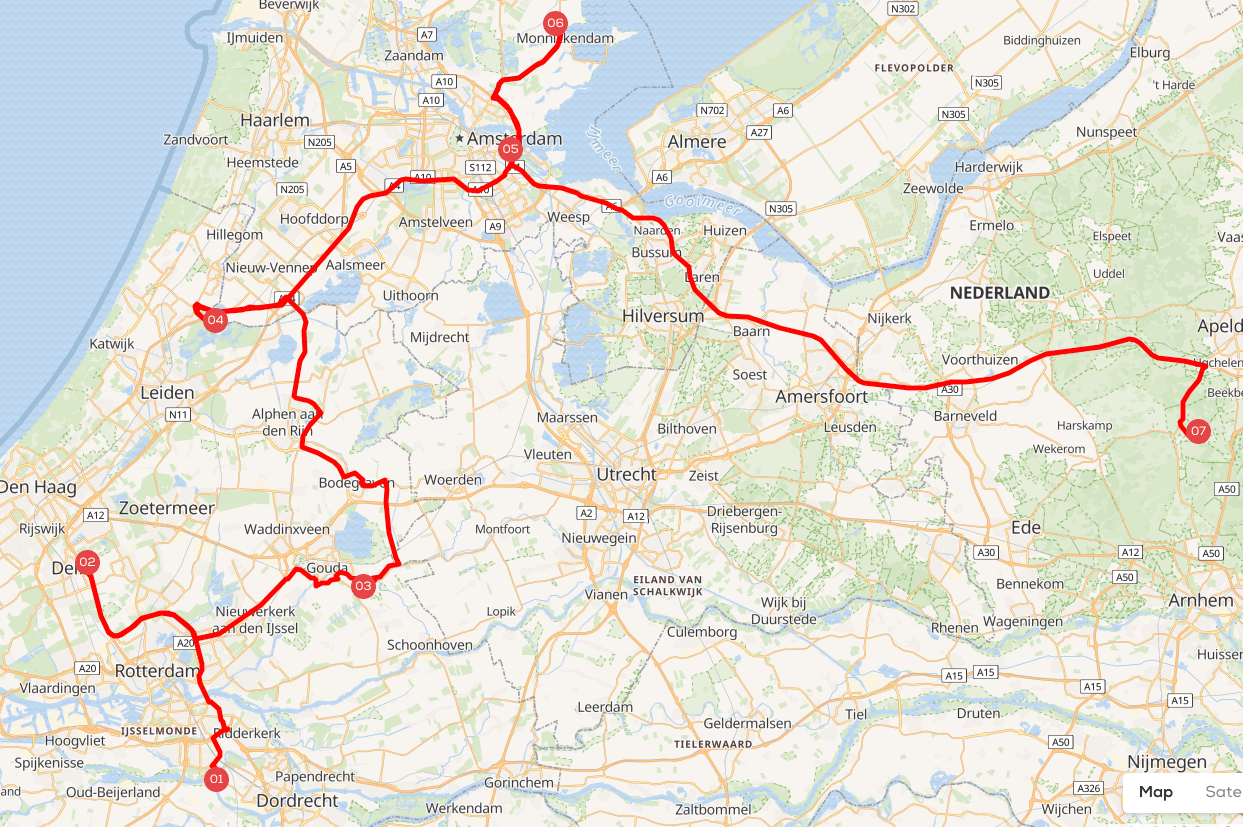
If you do not have two full weeks available, don’t worry: the Netherlands is a compact country with short driving distances, making it possible to enjoy a complete campervan itinerary in just 5 to 7 days without missing the iconic highlights. This shorter and more condensed route focuses on the historic heart of the country, windmills, Dutch canals and the famous flower fields.
Here is our suggested itinerary for a quick yet immersive Dutch road trip experience:
Stop 1: South Holland – Windmills and Delftware (1–2 days)
- Begin your journey in the province of South Holland. The must-see stop is Kinderdijk, where you can admire 19 majestic UNESCO-listed windmills lined up along the canals — one of the most iconic landscapes in the Netherlands. Continue on to Delft, famous for its peaceful canals, charming historic centre and traditional blue Delft pottery.
- Where to stay?
Stop 2: Gouda – The Cheese City (1 day)
- Continue north towards Gouda. If possible, schedule your visit on a Thursday morning to experience the famous traditional cheese market. Take time to wander through the charming historic centre before getting back on the road.
- Where to stay?
- Camping Streefland – Free Parking 📍
- V.O.F. Camping Hof van Eeden 📍
- Where to stay?
Stop 3: Amsterdam – The City of Canals (1–2 days)
- Head towards Amsterdam. For a stress-free visit, avoid driving into the city centre with your motorhome due to strict environmental zones and difficult parking conditions. Instead, use public transport or bicycles to explore landmarks such as the Anne Frank House, the Van Gogh Museum and the city’s famous canals.
- Where to stay?
Stop 4: The Northern Fishing Villages (1 day)
- Dive into the authentic atmosphere of the old fishing ports. Start with Zaanse Schans, known for its traditional green wooden houses and working windmills. Continue on to Volendam and the peninsula of Marken (accessible via a dike) for their traditional costumes, harbour atmosphere and fresh seafood.
- Where to stay?
Stop 5: De Hoge Veluwe National Park – Nature and Culture (1 day)
- End your trip beautifully in the province of Gelderland. De Hoge Veluwe National Park is a peaceful natural escape combining forests, sand dunes and heathland. This is where you can ride the famous free white bicycles to explore the park and visit the Kröller-Müller Museum, home to an impressive collection of Van Gogh paintings.
- Where to stay?
Ready to hit the road of canals and windmills? Exploring the Netherlands by motorhome promises unforgettable memories, combining freedom, nature and discovery. Don’t hesitate to share your favourite spots and photos with the community on the CaraMaps app.
Safe travels and… veel plezier! 🇳🇱